Preludes to Ecstasy
1961
No user ratings available yet
Representation score: 3.4 out of 10
Representation Score
Limited
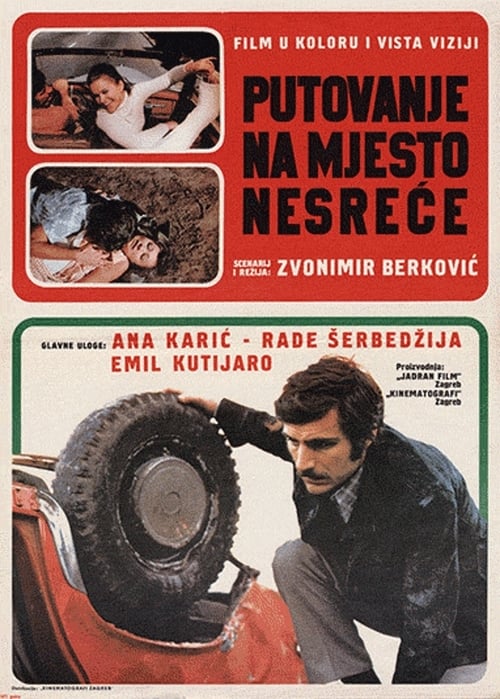
1971
Director
Zvonimir Berković
Runtime
87 minutes
Average Rating
No ratings yetNew Showbiz Analysis
The film is a modernist exploration of human instability that prioritizes psychological depth over demographic variety. It succeeds in challenging Socialist Realist clichés by focusing on the subjective experience of its female protagonist rather than ideological conformity. While the film lacks explicit representation of LGBTQ+ identities or racial diversity, it offers a sophisticated critique of traditional institutions. The narrative deconstructs the stability of marriage and political structures through a secular, existentialist lens. Ultimately, the work functions as a localized study of identity. It prioritizes a deep, intellectual subversion of social and familial certainties over broad demographic inclusion.
Category Breakdown
The film centers on the psychological impact of an extramarital affair and does not include any queer narratives or non-cisgender identities.
Jelena plays a central role, taking control of her emotions amid her husband's betrayal. The film challenges traditional gender roles by emphasizing her experience of social and emotional fragmentation.
The setting highlights the ethnic homogeneity of the Yugoslavian coast. It serves as a localized study of identity within a specific Mediterranean and Balkan cultural context.
The story embraces moral relativism and questions established social structures. It prioritizes existentialist inquiry over religious doctrine or patriotic certainty.
Psychological trauma is portrayed as an existential condition. The film does not depict specific physical disabilities or neurodivergent conditions.
Present on Screen
Limited or Absent
Official Synopsis
A young married woman Jelena finds about her husband's car accident from an unknown stranger named Vlatko, but also that he wants to be visited by his mistress rather than her. The encounter with her father, an ex-politician, will be another shock, but that's when she accepts Vlatko's courtship without being able to see his self-interested nature.
1961
1976
1972
1965
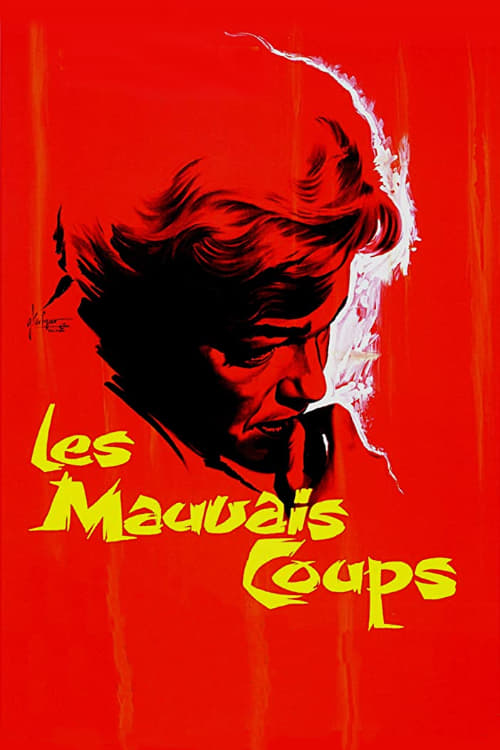
1961
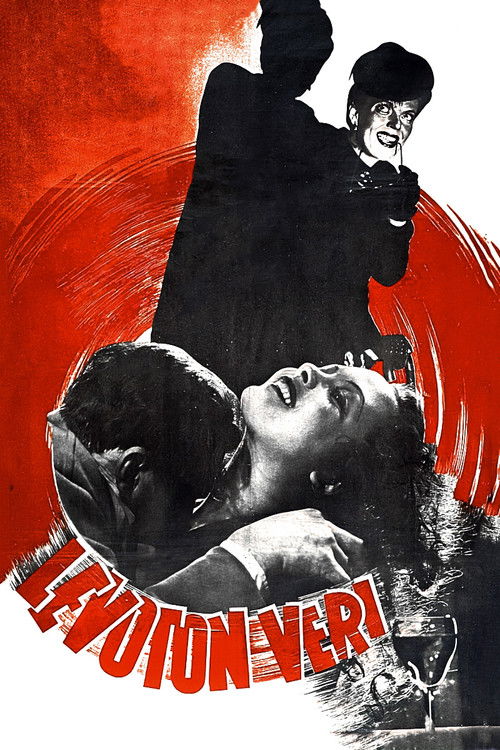
1946
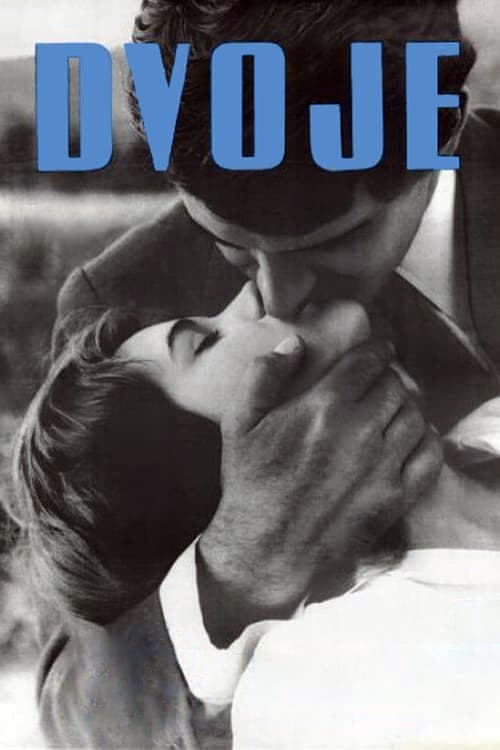
1961
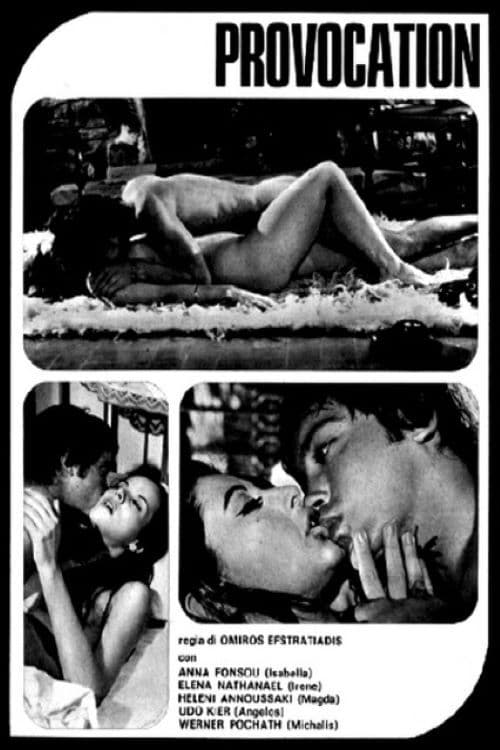
1971
No reviews yet. Be the first to share your thoughts on this movie!
Use the rating form above to leave a star rating and optional review.