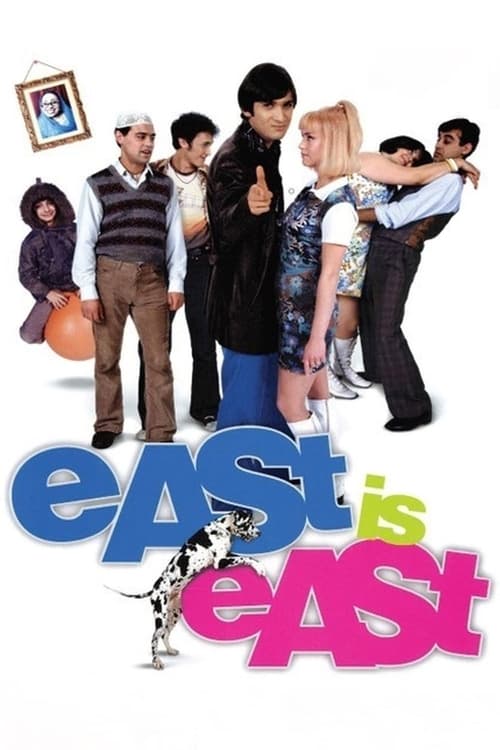
East Is East
1999
No user ratings available yet
Representation score: 4.6 out of 10
Representation Score
Fair
2010
TV-PGDirector
Josh Appignanesi
Runtime
105 minutes
Average Rating
No ratings yetNew Showbiz Analysis
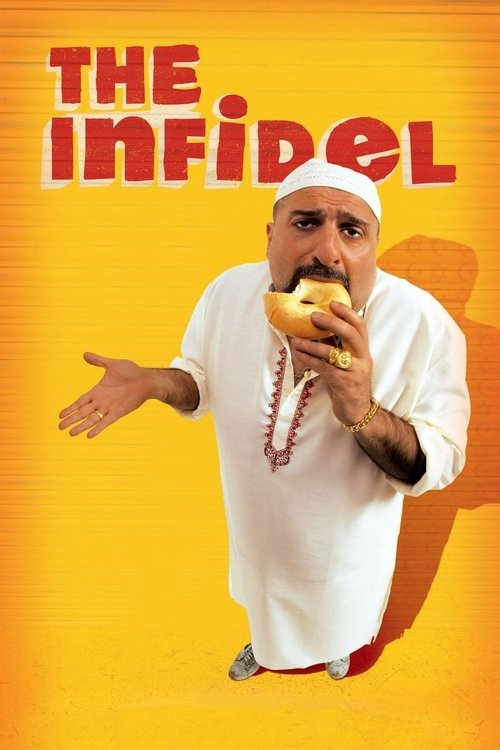
The Infidel excels in its satirical exploration of identity, especially through its nuanced portrayal of racial and cultural the way different parts of someone's identity overlap. By blending Muslim and Jewish heritages, the film challenges simplistic views of heritage and religion. However, the film remains tied to traditional gender hierarchies and lacks any substantial representation of LGBTQ+ identities. It focuses on a strictly straight-centered family framework. Overall, the film's strength lies in its ability to deconstruct religious and ethnic boundaries, even though it does not challenge traditional gender or sexual orientation norms.
Category Breakdown
The film follows a traditional structure centered around heterosexual relationships and family ties, without delving into non-binary gender identities.
The narrative emphasizes male authority within a patriarchal religious context. Women are shown in traditional domestic roles, reinforcing gender norms.
The film features a diverse cast representing a multicultural British society. The protagonist's Jewish heritage adds layers to the cultural narrative, promoting a deeper understanding of intersecting identities.
The story satirizes religious extremism and the tension between secular and religious viewpoints. It portrays religious adherence through situational ethics rather than rigid doctrines.
There are no prominent portrayals of visible or invisible disabilities that play key roles in the plot or character development.
Present on Screen
Limited or Absent
Official Synopsis
Based in a London suburb Mahmud Nasir lives with his wife, Saamiya, and two children, Rashid and Nabi. His son plans to marry Uzma, the step-daughter of Egyptian-born Arshad Al-Masri, a so-called 'Hate Cleric' from Waziristan, Pakistan. Mahmud, who is not exactly a devout Muslim, he drinks alcohol, and does not pray five times, but does agree that he will appease Arshad, without whose approval the marriage cannot take place. Shortly thereafter Mahmud, while going over his recently deceased mother's documents, will find out that he was adopted, his birth parents were Jewish, and his name is actually Solly Shimshillewitz.
1999
2008

2010

2018

2022

2005
2015
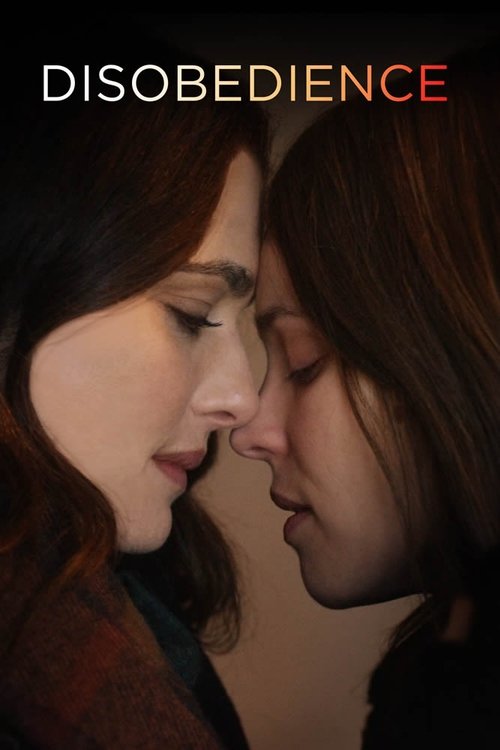
2018
No reviews yet. Be the first to share your thoughts on this movie!
Use the rating form above to leave a star rating and optional review.