
Life Is Life
2025
No user ratings available yet
Diversity score: 6.7 out of 10
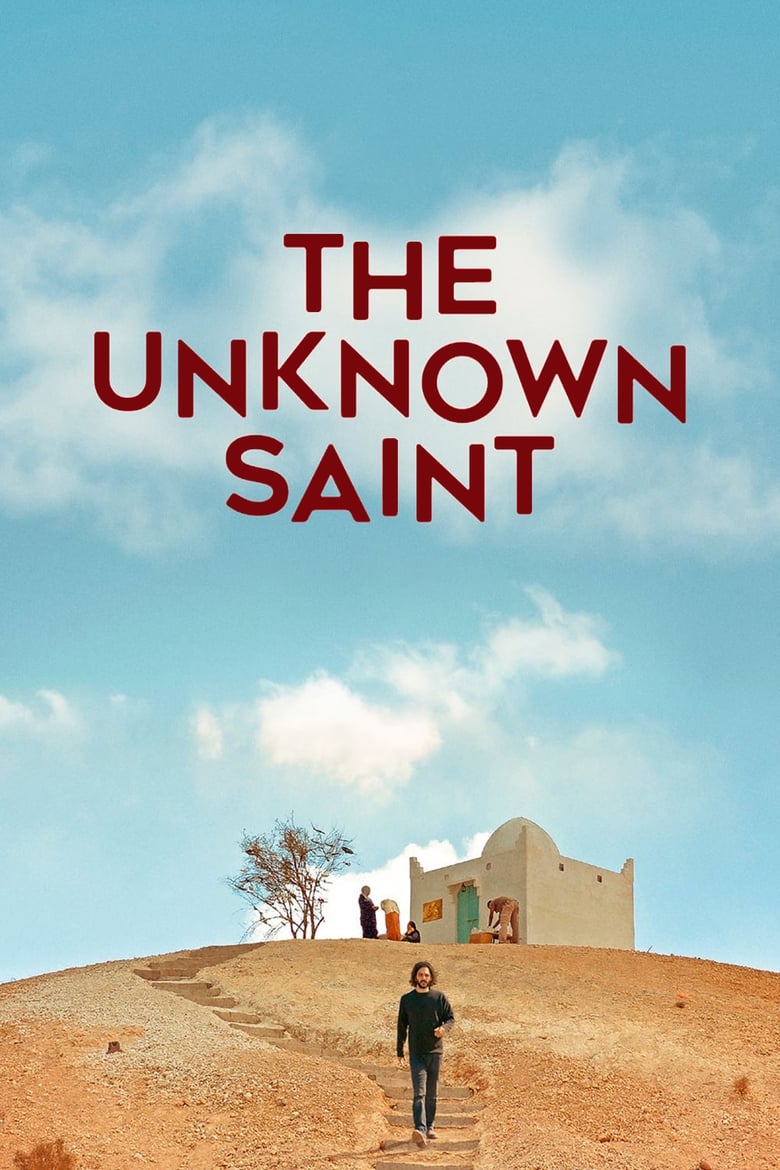
2020
Director
Alaa Eddine Aljem
Runtime
101 minutes
Average Rating
No ratings yetSynopsis
Following a stint behind bars, a thief returns to where he buried his loot, only to find that his hiding spot is now a shrine to an unknown saint.
Overall Score
Good
Category Breakdown
LGBTQ+ Representation
The film does not explicitly center LGBTQ+ identities or non-heteronormative dynamics. The narrative focuses on a solitary protagonist and communal reactions to a shrine, lacking specific representation in this area.
Gender Representation
The story centers on a male protagonist navigating communal religious fervor. While female characters are not detailed, the conflict explores social dynamics rather than strictly reinforcing patriarchal dominance.
Racial & Ethnic Diversity
The film offers a departure from Western-centric storytelling by centering a non-Western social fabric. It provides a platform for localized cultural nuances and regional phenomena.
Religious & Cultural Diversity
The narrative provides a sophisticated critique of institutionalized belief. It explores how communities construct truth through superstition, framing a saint as an accidental byproduct of a thief's actions.
Disability Representation
There is no discernible evidence regarding the portrayal of physical or neurodivergent disabilities within the available narrative.
Strengths
Areas for Improvement
AI Analysis
The film excels in its cultural and thematic complexity, using a comedic-dramatic lens to deconstruct how religious iconography is formed. It challenges traditional authority by showing how a criminal act can be transformed into a spiritual event. While the work provides a refreshing break from Anglo-Saxon cinematic perspectives, it remains limited in its exploration of specific identity-based politics. The focus is primarily on the tension between individual agency and communal superstition. Ultimately, the film is an intellectually stimulating study of moral relativism and social construction, even if it lacks breadth in gender and LGBTQ+ representation.
2025
2017
2021

2014

2005
2020

2001
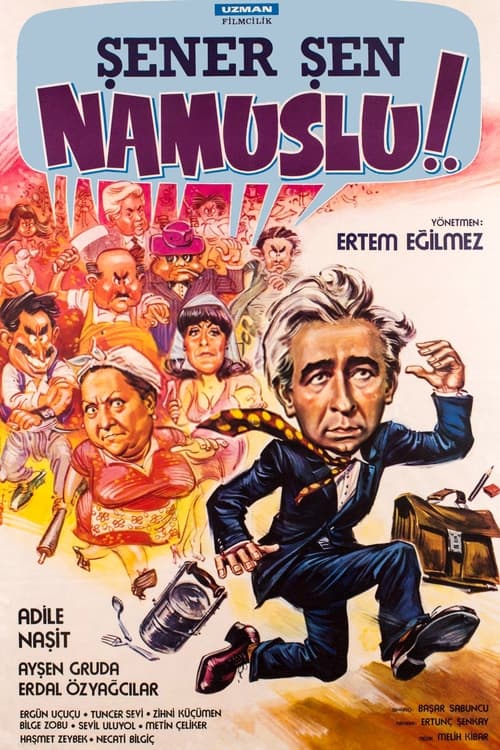
1984
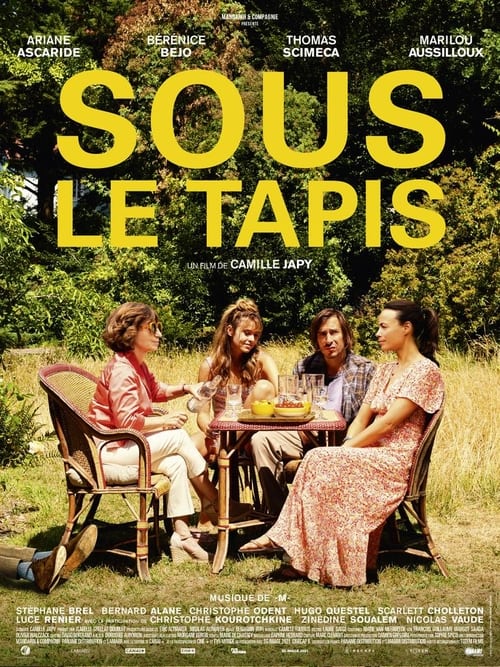
2023

2009

2012
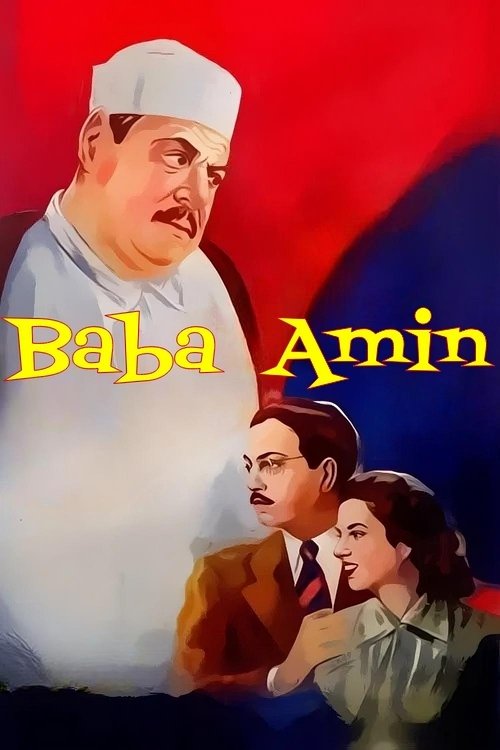
1950
No reviews yet. Be the first to share your thoughts on this movie!
Use the rating form above to leave a star rating and optional review.