
Only Decent People
2012
No user ratings available yet
Representation score: 4.2 out of 10
Representation Score
Excellent
1999
Director
Lodewijk Crijns
Runtime
110 minutes
Average Rating
No ratings yetNew Showbiz Analysis
The film uses religious iconography to challenge Western social and political hierarchies. By portraying Jesus as Palestinian, it encourages a layered view of identity and heritage. While the narrative centers on a female lead, the presence of diverse identities is mostly thematic rather than explicitly detailed. The focus on communal structures suggests a move away from individualistic Western norms. Ultimately, the work serves as a social critique, using medical and religious crises to dismantle traditional family and institutional authority.
Category Breakdown
The film doesn't confirm any LGBTQ+ characters explicitly, but the communal cult setting hints at a break from traditional heterosexual norms.
Natasha is the main character, driving the story during a family crisis. She challenges traditional patriarchal roles by making crucial legal decisions.
The film reinterprets a central religious figure from a Middle Eastern perspective, challenging Eurocentric views by focusing on modern geopolitical and ethnic identities.
It critiques Western religious dominance and the nuclear family model. The focus on communal living and post-colonial themes provides a progressive outlook.
The story revolves around a character on life support, exploring themes of medical dependency and the tension between personal autonomy and institutional decisions.
Present on Screen
Limited or Absent
Official Synopsis
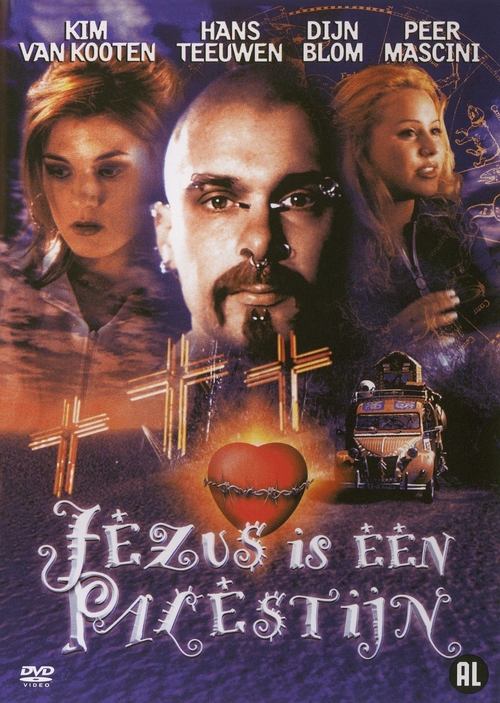
Natasha goes to Limburg to collect her brother Ramses, who has joined a communal cult, so he can consent to cutting their father's life support.
2012

1998

2003

2000
2006

2011
2015

1998
No reviews yet. Be the first to share your thoughts on this movie!
Use the rating form above to leave a star rating and optional review.