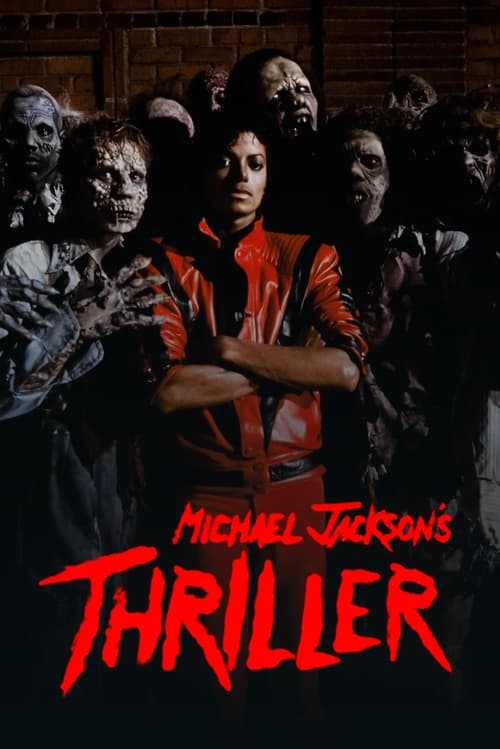
Michael Jackson's Thriller
1983
No user ratings available yet
Representation score: 5.6 out of 10
Representation Score
Limited
1986
RDirector
Charles Martin Smith
Runtime
97 minutes
Average Rating
No ratings yetNew Showbiz Analysis
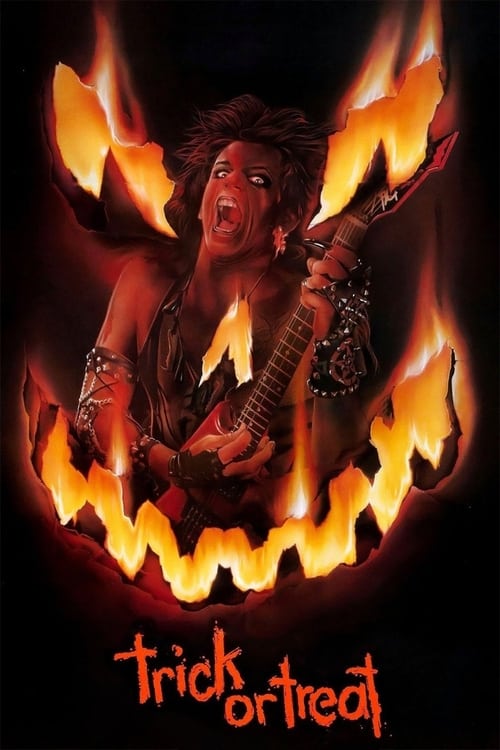
Trick or Treat embodies the conventions of 1980s genre cinema, relying heavily on well-known horror and musical clichés while avoiding complex social themes. The narrative leverages traditional archetypes, such as the 'final girl' and the aggressive, stylized antagonist, to propel its supernatural storyline. The film’s setting is narrowly focused on a white, suburban cast, lacking in-depth exploration of diverse identities. It operates within a conventional social framework that does not challenge existing hierarchies or explore varied backgrounds. Overall, Trick or Treat serves as a classic example of teen rebellion and supernatural horror, upholding the social and demographic norms of its era.
Category Breakdown
The film reflects the social structures typical of the mid-1980s, where there is no indication of non-binary gender identities or same-sex relationships among the characters.
Female characters mainly follow the 'final girl' archetype common during that time. Masculinity is shown through the social standing and aggressive behavior of teenage characters.
The cast is predominantly white, mirroring the demographic makeup of 1980s suburban horror films. The story does not incorporate diverse ethnic viewpoints.
The plot adheres to typical clichés of teen rebellion and supernatural horror. It centers on adolescent angst without critiquing Western institutions or moral relativism.
The film does not meaningfully represent visible or invisible disabilities. Bullying faced by the protagonist is framed as a social hierarchy issue rather than neurodivergence.
Present on Screen
Limited or Absent
Official Synopsis
Eddie Weinbauer, a metalhead teen who is bullied at school, looks to his heavy metal superstar idol, Sammi Curr, for guidance. When Curr is killed in a hotel fire, Eddie becomes the recipient of the only copy of his unreleased album, which, when played backwards, brings the rocker back to life. As Halloween approaches, Eddie begins to realize that this isn't only rock 'n roll...It's life and death.
1983

1974
2015

1979
2022
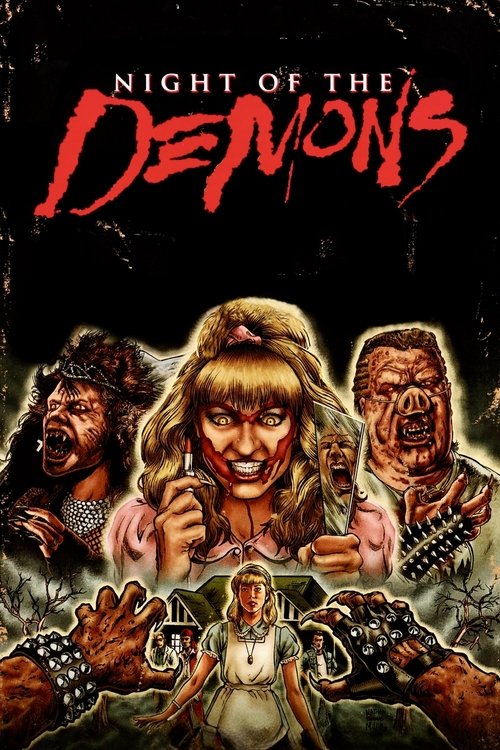
1988
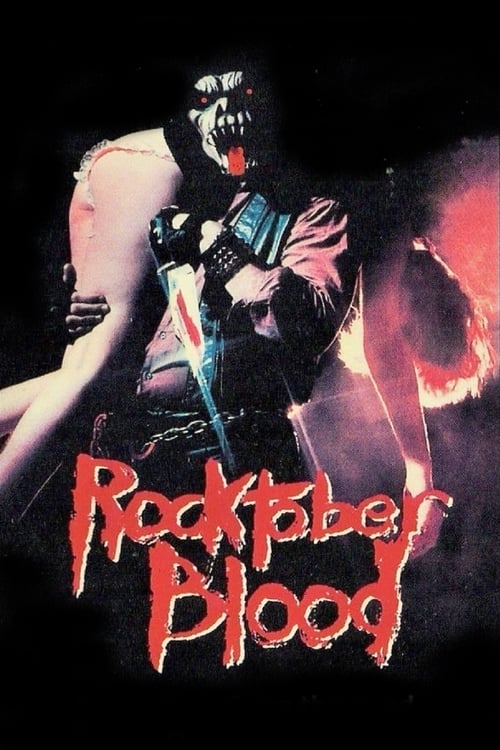
1984
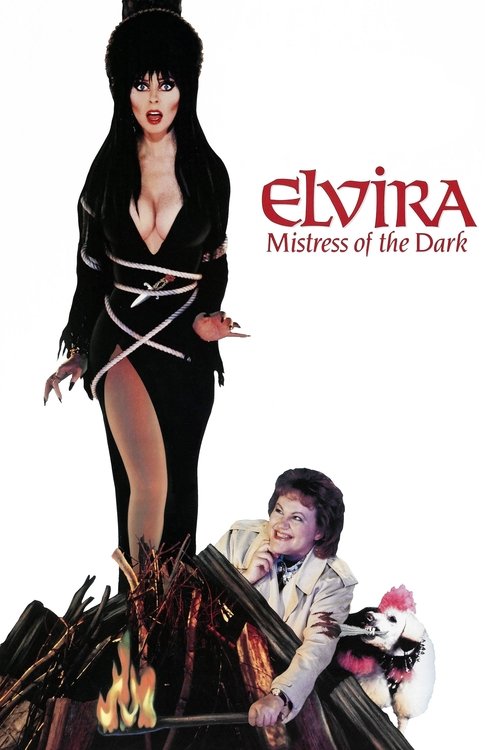
1988
No reviews yet. Be the first to share your thoughts on this movie!
Use the rating form above to leave a star rating and optional review.