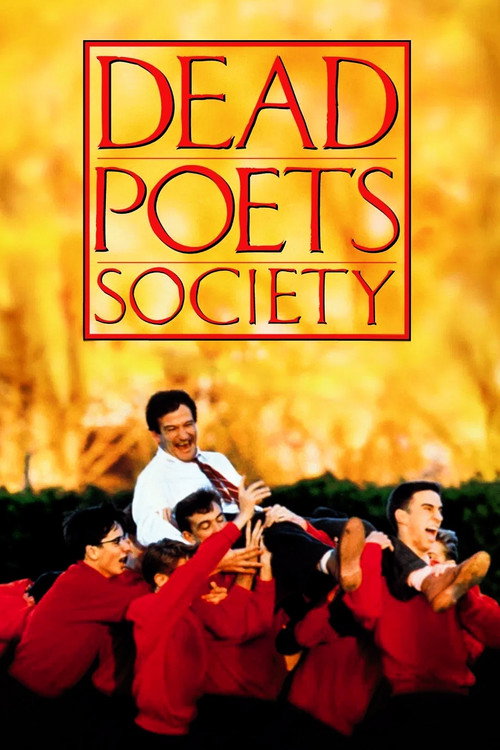
Dead Poets Society
1989
No user ratings available yet
Representation score: 1.9 out of 10

Representation Score
Limited
1968
RDirector
Lindsay Anderson
Runtime
112 minutes
Average Rating
No ratings yetNew Showbiz Analysis
Lindsay Anderson’s work is a powerful deconstruction of the British class system and institutional rigidity. It succeeds as a piece of social critique, using the boarding school setting to challenge established power structures and social norms. However, the film lacks demographic breadth. The focus on a homogeneous, male-dominated environment results in low scores for racial, gender, and LGBTQ+ representation, reflecting the era's specific social limitations. Ultimately, the film's value lies in its intellectual rebellion. While it fails to provide diverse identity representation, it excels at critiquing the systemic oppression inherent in traditional Western institutions.
Category Breakdown
The film reflects the narrow focus on straight relationships within a mid-century boarding school. While there are no explicit queer identities, the subtextual tension and repressed sexuality highlight how the institution suppresses non-conforming identities.
The narrative is built around a patriarchal hierarchy where power rests with male teachers and prefects. This male-centric lens largely omits women's ability to drive the story from the central conflict of social stratification.
The cast is largely homogeneous, mirroring the socio-economic and racial exclusivity of a 1960s English private school. The focus remains on the internal mechanics of the British class system.
The film offers a profound critique of the British establishment and its oppressive structures. It celebrates the subversion of traditional authority and the pursuit of individual truth against institutional hypocrisy.
There are no significant depictions of physical or neurodivergent disabilities that drive the narrative or serve as central character arcs.
Present on Screen
Limited or Absent
Official Synopsis
In an English boys' boarding school, social hierarchy reigns supreme and power remains in the hands of distanced and ineffectual teachers and callously vicious prefects in the Upper Sixth. Three Lower Sixth students, Wallace, Johnny and leader Mick Travis decide on a shocking course of action to redress the balance of privilege once and for all.
1989
1967
1989
1933
2014
1955
1992
1979
No reviews yet. Be the first to share your thoughts on this movie!
Use the rating form above to leave a star rating and optional review.