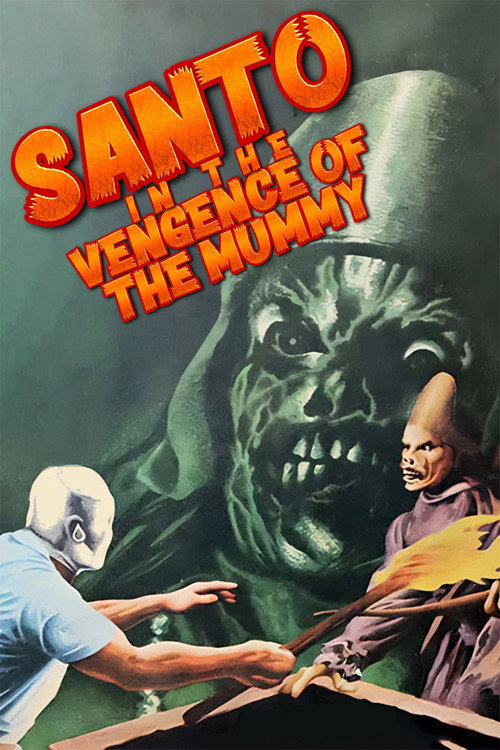
Santo in the Vengeance of the Mummy
1971
No user ratings available yet
Representation score: 2.6 out of 10
Representation Score
Minimal
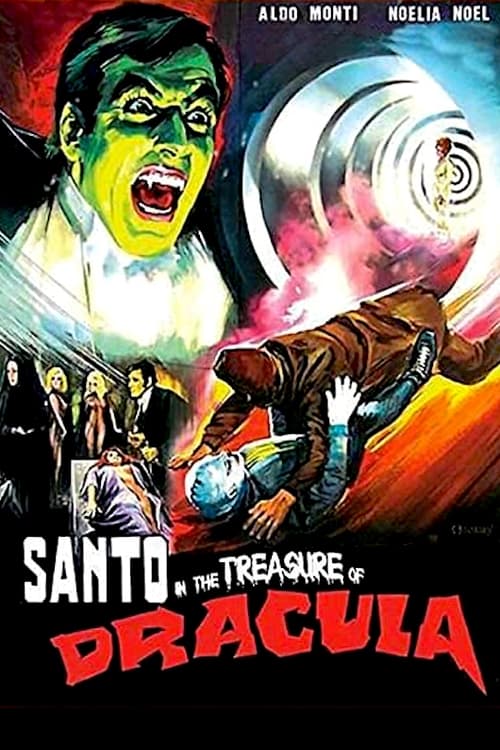
1969
Director
René Cardona
Runtime
86 minutes
Average Rating
No ratings yetNew Showbiz Analysis
Santo in the Treasure of Dracula is a genre-driven film that emphasizes spectacle and iconic crossovers. Its narrative structure follows conventional patterns, reinforcing traditional masculine leadership and social norms. While the film maintains a culturally authentic Mexican setting, it does not challenge established clichés. Instead, it upholds existing social and gender hierarchies without engaging in deeper social commentary.
Category Breakdown
The film does not include any LGBTQ+ characters or explore non-straight relationships. It focuses solely on heterosexual relationships and social dynamics.
The story revolves around Santo as the primary hero and protector. Female characters are mostly used as plot devices or damsel-in-distress figures.
The film features a predominantly Mexican cast that adds cultural authenticity. However, it does not delve deeply into the experiences or ability to act of characters of color.
The storyline adheres to traditional moral values and storytelling conventions. It avoids challenging institutions and focuses on a clear distinction between good and evil.
There is no representation of physical or neurodivergent disabilities in the main storyline.
Present on Screen
Limited or Absent
Official Synopsis
A woman travels to her past life with the help of Santo's past life regression machine
1971
1967
1971

1965
1964

1974
1976
1981
No reviews yet. Be the first to share your thoughts on this movie!
Use the rating form above to leave a star rating and optional review.