Gold of the Seven Saints
1961
No user ratings available yet
Diversity score: 1.4 out of 10
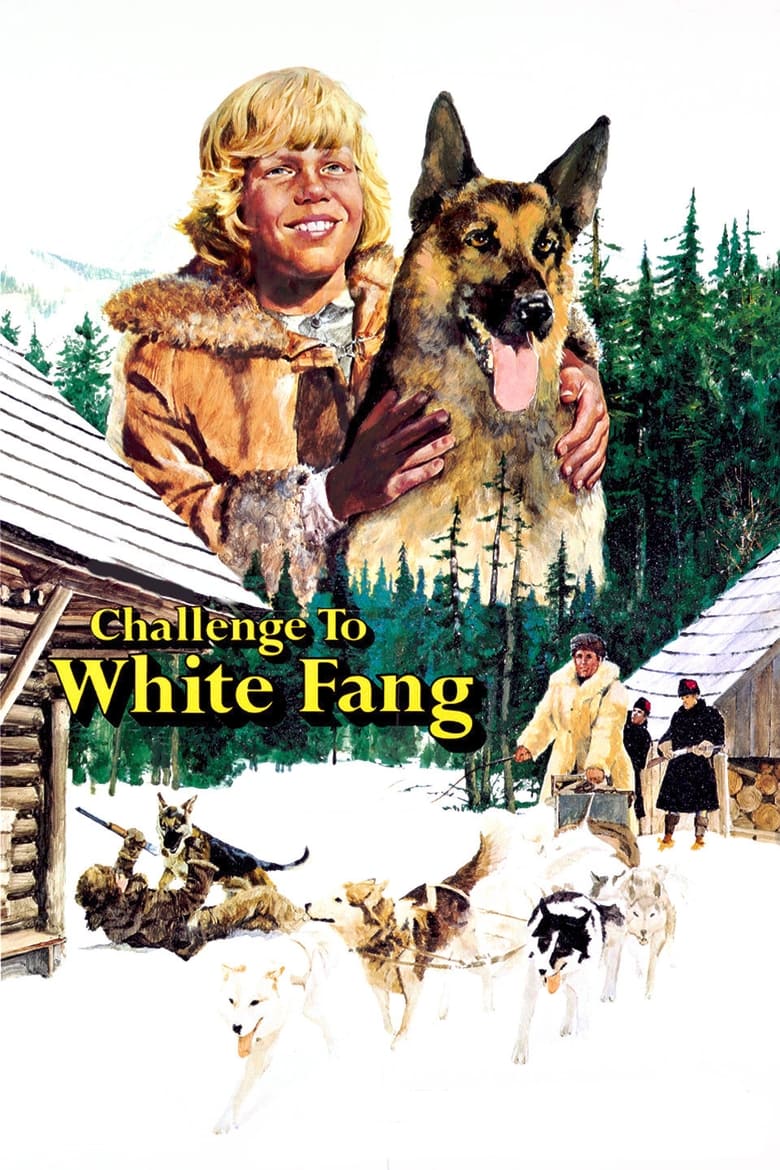
1974
PGDirector
Lucio Fulci
Runtime
100 minutes
Average Rating
No ratings yetSynopsis
Sequel to Lucio Fulci's first 'White Fang' has the wolf-dog once again trying to stop the villainous Beauty Smith from claiming a recently discovered gold mine in 1899 Yukon, Canada.
Overall Score
Limited
Category Breakdown
LGBTQ+ Representation
The film adheres to 1970s adventure conventions. It lacks queer visibility, non-cisnormative identities, or any critiques of heteronormativity.
Gender Representation
Male protagonists drive the narrative through physical dominance and agency. Female characters remain peripheral figures within the survivalist plot.
Racial & Ethnic Diversity
The cast is predominantly white, reflecting the demographic homogeneity of the era. It lacks diverse character agency or color-blind casting.
Religious & Cultural Diversity
The story focuses on frontier survival and the pursuit of gold. It lacks deconstructions of Western institutions or religious morality.
Disability Representation
There is no significant presence of characters with visible or invisible disabilities. The film does not engage with neurodivergence or physical disability.
Strengths
Areas for Improvement
AI Analysis
Challenge to White Fang is a period-specific adventure that prioritizes the bond between man and animal over social exploration. It operates within the traditionalist constraints of 1970s genre filmmaking, focusing on wilderness survival and the mechanics of the Klondike Gold Rush. The film maintains a conventional approach to identity, reflecting standard cinematic tropes of its era. It does not attempt to disrupt or critique established social hierarchies, instead leaning into the archetypes of the Western and adventure genres. Ultimately, the narrative architecture is built around individual dominance and wealth acquisition rather than intersectional storytelling or progressive social commentary.
1961
1958
1955

1974
1978

1966
1956
1973
1959
1978

1966
1964
No reviews yet. Be the first to share your thoughts on this movie!
Use the rating form above to leave a star rating and optional review.