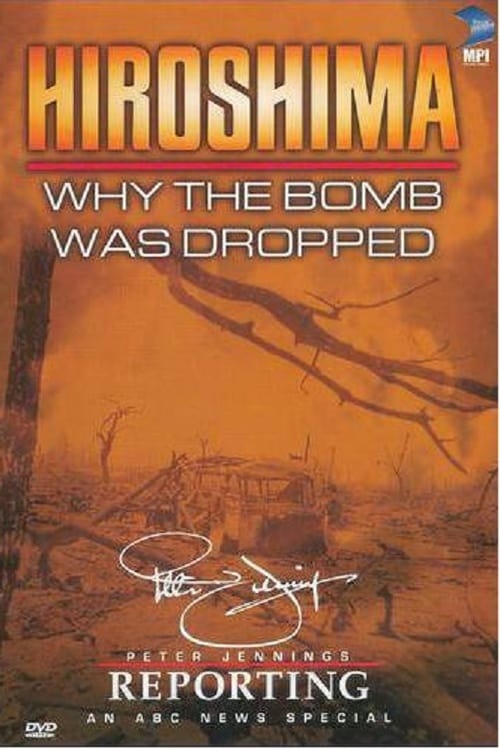
Hiroshima: Why the Bomb Was Dropped
1995
No user ratings available yet
No diversity score available

2019
PGDirector
Matthew Wells
Runtime
6 minutes
Average Rating
No ratings yetSynopsis
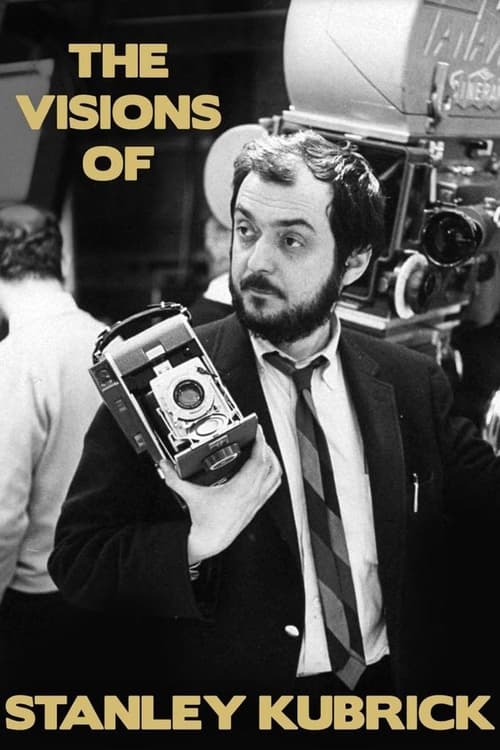
A short documentary about how the threat of nuclear war prompted Kubrick to make Dr. Strangelove or: How I Learned to Stop Worrying and Love the Bomb.
Overall Score
Fair
Category Breakdown
LGBTQ+ Representation
The film focuses on 1960s historical context and Kubrick's creative motivations. There is no explicit depiction of LGBTQ+ identities or non-cisnormative narratives.
Gender Representation
The documentary engages with Kubrick's legacy of challenging social structures and authority. However, it lacks specific evidence of gender-diverse casting or character arcs.
Racial & Ethnic Diversity
The narrative is rooted in the Western geopolitical landscape of the Cold War. It does not emphasize non-Anglo-Saxon perspectives or intersectional racial dynamics.
Religious & Cultural Diversity
The film excels by critiquing Western institutions and state-sponsored militarism. It explores the systemic anxieties and absurdity of nuclear deterrence and traditional power structures.
Disability Representation
There is no evidence regarding the portrayal of physical or neurodivergent disabilities within this historical documentary.
Strengths
Areas for Improvement
AI Analysis
This documentary serves as a specialized historical inquiry into the creative process behind *Dr. Strangelove*. It prioritizes the deconstruction of Cold War paradigms and the critique of institutionalized militarism over demographic representation. The film's strength lies in its thematic subversion of Western political narratives. By highlighting the absurdity of the nuclear arms race, it challenges the stability of established global power dynamics. However, the work remains limited by its narrow focus on Western geopolitical history. It lacks significant emphasis on intersectional racial dynamics or diverse identity-based casting.
1995

2018
2007
2010
1946

2025
2004
2015

2002
2017

2002
1973
No reviews yet. Be the first to share your thoughts on this movie!
Use the rating form above to leave a star rating and optional review.