
12 Angry Men
1957
No user ratings available yet
Representation score: 1.8 out of 10
Representation Score
Limited
1961
NRDirector
Stanley Kramer
Runtime
191 minutes
Average Rating
No ratings yetNew Showbiz Analysis
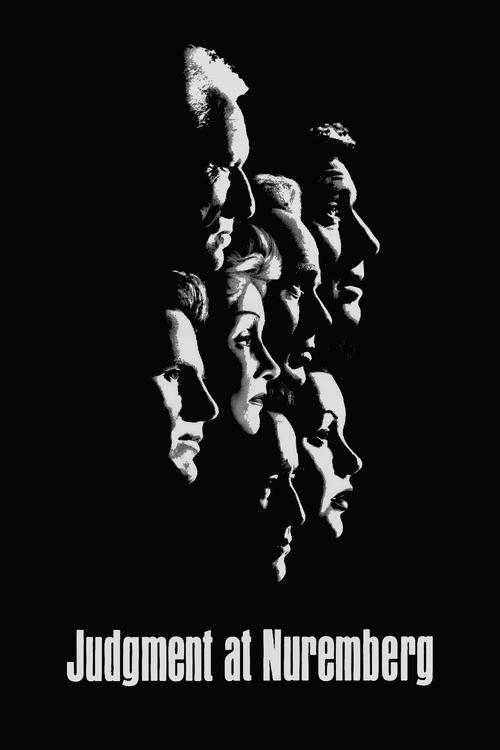
Judgment at Nuremberg presents a complex interplay of traditional and progressive themes. Despite its limited demographic diversity, the film's core message is profoundly subversive. It uses the courtroom setting to challenge the notion of institutional infallibility. The film excels in its critique of state power and institutional complicity. It goes beyond conventional legal dramas to question the morality of blind adherence to established hierarchies. However, the film's portrayal is constrained by the social norms of its time, limiting its broader representation.
Category Breakdown
The story focuses solely on heterosexual relationships and traditional gender roles. There is no indication of LGBTQ+ characters or themes in the dialogue or plot development.
The film adheres to a traditional patriarchal structure where male characters dominate the legal and intellectual aspects. Female characters play important roles but have limited influence over the events.
The cast is predominantly white and European, reflecting the historical context of the German legal system. The narrative perspective centers on the European legal tradition.
The film offers a critical examination of Western institutions and state power. It questions the legitimacy of sovereign authority by highlighting how legal systems can perpetuate systemic injustice.
The film does not specifically address visible or invisible disabilities as a key part of the story.
Present on Screen
Limited or Absent
Official Synopsis
In 1947, four German judges who served on the bench during the Nazi regime face a military tribunal to answer charges of crimes against humanity. Chief Justice Haywood hears evidence and testimony not only from lead defendant Ernst Janning and his defense attorney Hans Rolfe, but also from the widow of a Nazi general, an idealistic U.S. Army captain and reluctant witness Irene Wallner.
1957

1980

1957

1944

2008
1974

1993

1965
No reviews yet. Be the first to share your thoughts on this movie!
Use the rating form above to leave a star rating and optional review.