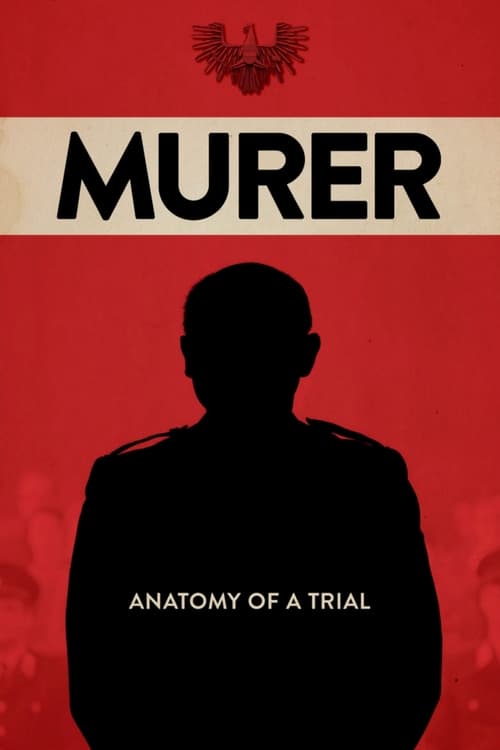
Murer: Anatomy of a Trial
2018
No user ratings available yet
Representation score: 6.0 out of 10
Representation Score
Limited
2021
Director
Nicholas Dimitropoulos
Runtime
99 minutes
Average Rating
No ratings yetNew Showbiz Analysis
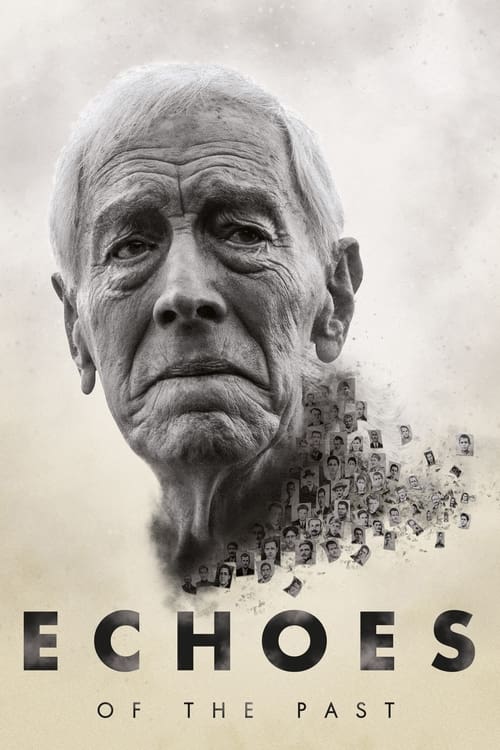
Echoes of the Past serves as a historical drama that emphasizes the lived experience of wartime trauma over bureaucratic legalism. By focusing on the Kalavryta massacre, the film challenges conventional Eurocentric historical narratives and centers the perspective of the oppressed. The film's strength lies in its thematic intent to disrupt institutional status quo. It sets a survivor against the legal mechanisms of a former occupying power, creating a framework for exploring historical justice and systemic victimhood. However, the film lacks representation in several key areas. There is no visible engagement with LGBTQ+ identities or disability representation, leaving the narrative focused primarily on ethnic and institutional conflict.
Category Breakdown
The film does not include any LGBTQ+ characters or stories about non-straight identities. This area of representation is completely untouched.
The story revolves around a male lawyer and a survivor. While gender relations are not extensively explored, the conflict highlights power structures and individual ability to act.
The narrative delves into Greek ethnic identity and the historical trauma of the Kalavryta massacre. It shifts the focus from dominant geopolitical actors to the underrepresented victims of systemic violence.
The film critiques Western institutional frameworks by examining legal defenses against historical reparations. It explores the moral complexities of accountability and the stability of political institutions.
There is no mention of physical, sensory, or neurodivergent disabilities within the narrative context.
Present on Screen
Limited or Absent
Official Synopsis
A lawyer, who represents the German government against the Greek reparation claims for Nazi crimes in World War II, travels to Greece and meets one of the remaining survivors of the Kalavryta massacre that took place in 1943.
2018

2014
2017
2015

1989

2020
1973

2016
No reviews yet. Be the first to share your thoughts on this movie!
Use the rating form above to leave a star rating and optional review.