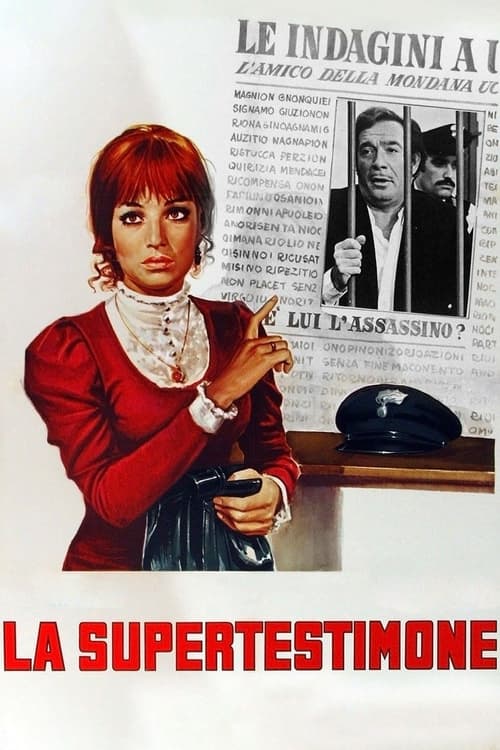
The Superwitness
1971
No user ratings available yet
Representation score: 3.7 out of 10
Representation Score
Minimal
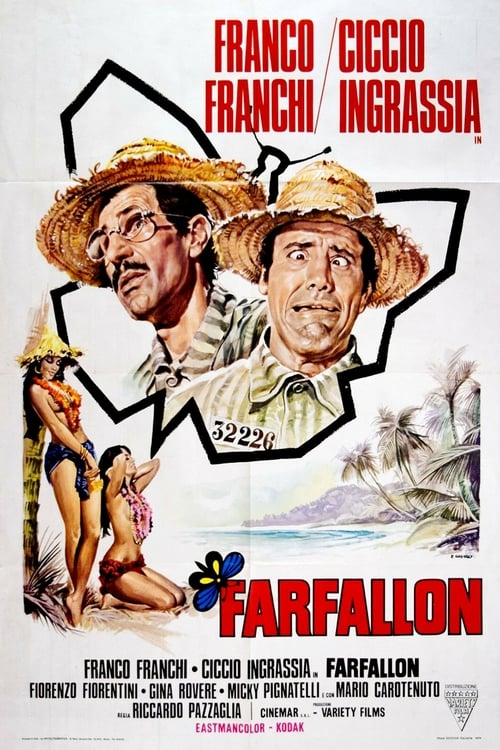
1974
Director
Riccardo Pazzaglia
Runtime
93 minutes
Average Rating
No ratings yetNew Showbiz Analysis
Farfallon operates as a typical mid-century European farce, relying on well-known comedic clichés rather than social subversion. The plot centers on a male protagonist navigating a cycle of crime, escape, and revenge, keeping the narrative focus narrow and traditional. The film fails to offer multi-layered depth, omitting LGBTQ+ identities and diverse racial representation. It adheres to a homogeneous social framework typical of 1974 genre cinema, prioritizing situational irony over the deconstruction of power dynamics. Ultimately, the work functions as a character-driven comedy focused on domestic betrayal and institutional disruption. It does not aim to challenge social hierarchies or provide meaningful representation for underrepresented groups.
Category Breakdown
The film does not include any characters with non-straight sexual orientations or same-sex relationships. The main conflict revolves around traditional marital infidelity.
Women are shown as a wife and a group of nuns, but the male protagonist drives all major plot actions. He remains the primary force behind the story’s progression.
The story seems to take place in a homogeneous, localized setting with no indication of a diverse cast or non-white characters.
The film uses a convent and prison as comedic settings. These institutions are used for farce rather than critiquing Western religious structures.
There are no characters with physical, sensory, or neurodivergent disabilities included in the narrative.
Present on Screen
Limited or Absent
Official Synopsis
A man who has tried to kill his unfaithful wife goes to prison, escapes, ends up in a convent, teaches the nuns to make cookies, captured again and before going back to prison tries to take his long awaited revenge again. Does he eventually succeed in killing his wife?
1971
1961
1959

1976
1970
1970
1977
1990
No reviews yet. Be the first to share your thoughts on this movie!
Use the rating form above to leave a star rating and optional review.