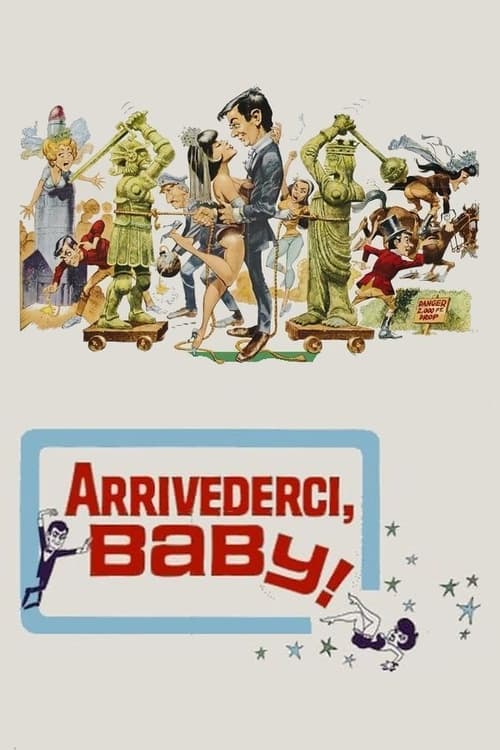
Arrivederci, Baby!
1966
No user ratings available yet
Representation score: 3.1 out of 10
Representation Score
Minimal
1962
Director
Gérard Oury
Runtime
156 minutes
Average Rating
No ratings yetNew Showbiz Analysis
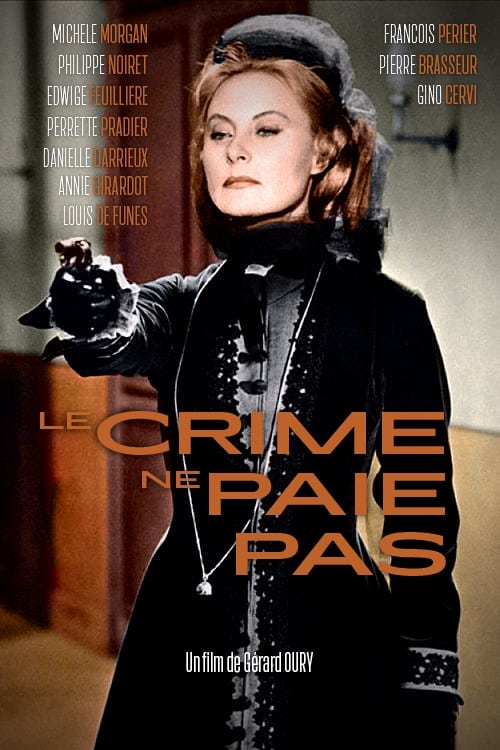
Gérard Oury’s 1962 film is a traditional genre piece that prioritizes comedic timing and crime clichés over diverse representation. The narrative structure, presented as stories watched in a Parisian theater, follows a conventional moral arc where crime is punished. The film reflects its time period, maintaining standard social hierarchies and character roles. It lacks the systemic critique or diverse casting found in more contemporary films. Ultimately, the film operates within the established frameworks of mid-century French comedy, focusing on historical vignettes rather than social deconstruction.
Category Breakdown
The film follows the traditional heterosexual and cisgender norms typical of mid-century European cinema. There are no queer themes or non-cisgender identities represented in the story.
Male characters primarily drive the criminal plots, while female characters appear in smaller roles without challenging traditional gender hierarchies or roles.
The cast appears largely homogeneous, reflecting the typical French productions of the early 1960s. There is no indication of efforts to include diverse casting.
The film presents traditional moral lessons through cautionary tales and genre-driven irony, without critiquing systemic oppression or institutional morality.
There are no characters with visible or invisible disabilities playing significant roles or serving as central figures in the stories.
Present on Screen
Limited or Absent
Official Synopsis
A man walks into a movie theater in Paris and starts watching a film—the same one we're watching, consisting of four stories of best criminal intentions gone awry from the Middle Ages to the present day.
1966
1980
1951
1961
1970
1964

1961

1976
No reviews yet. Be the first to share your thoughts on this movie!
Use the rating form above to leave a star rating and optional review.