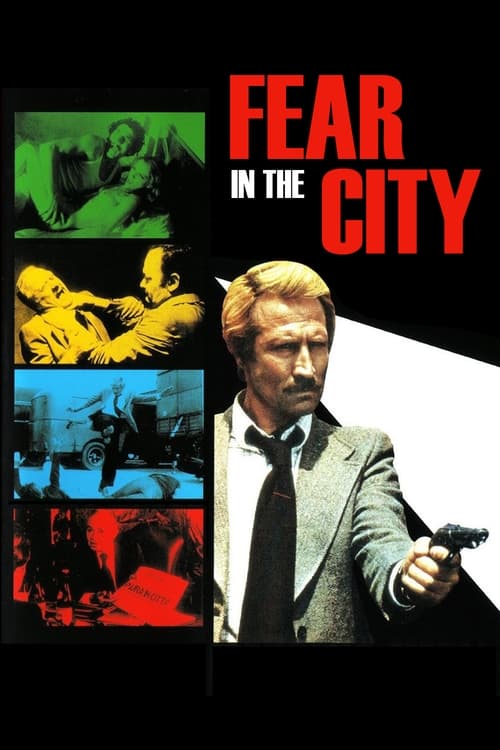
Fear in the City
1976
No user ratings available yet
Diversity score: 4.0 out of 10
1975
Director
Vittorio Salerno
Runtime
85 minutes
Average Rating
No ratings yetSynopsis
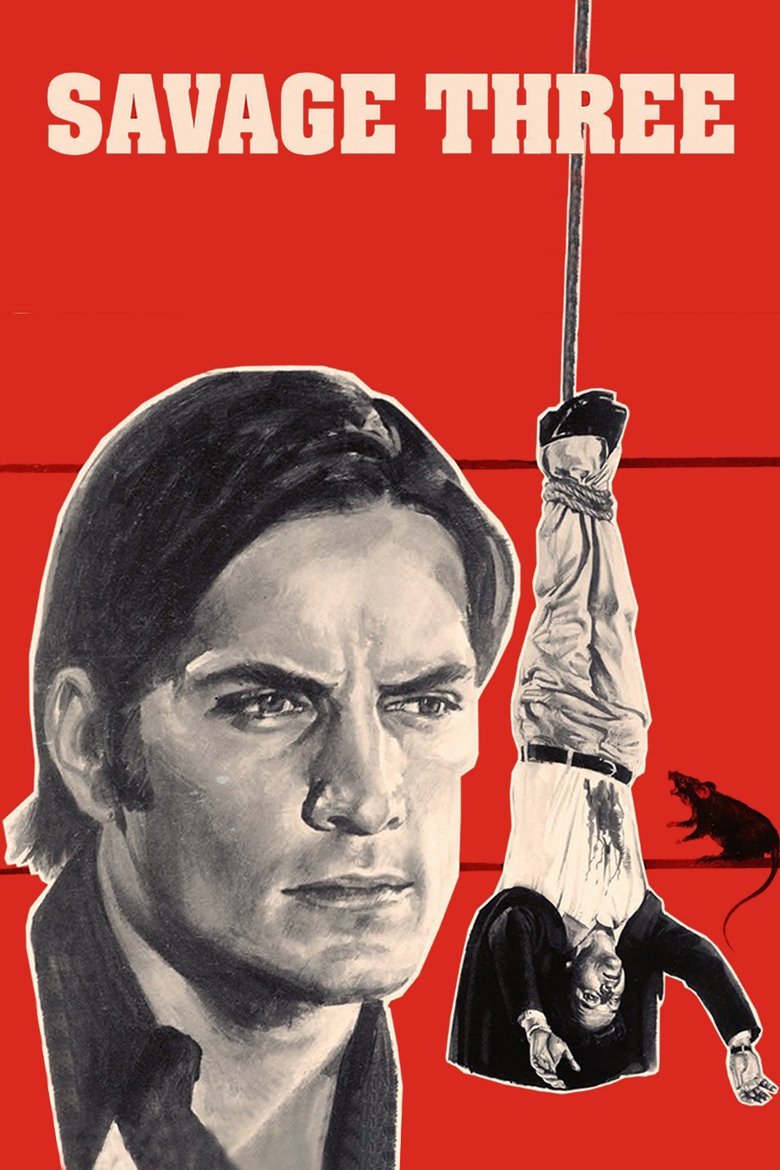
By day, Ovidio (Joe Dallesandro) and his two friends work at a data center. After work, they blow off steam by committing random acts of savage violence, swiftly graduating from sparking a riot at a football game to vehicle theft, rape, and murder. The police are convinced this recent spate of crimes is politically motivated, but world-weary veteran Commissario Santaga (Enrico Maria Salerno) suspects a far more terrifying explanation: that these young men are motivated by nothing more than boredom and disaffection at civilized society. As Ovidio's behavior escalates, a psychological game of cat-and-mouse ensues between the two adversaries, building towards a shocking final confrontation.
Overall Score
Limited
Category Breakdown
LGBTQ+ Representation
The film focuses strictly on the nihilistic pursuits of male protagonists. There is no evidence of queer subtext or non-cisnormative identities present.
Gender Representation
The narrative is centered on male aggression and patriarchal power dynamics. Women appear primarily as passive subjects of violence rather than active characters.
Racial & Ethnic Diversity
The cast appears to center on a homogeneous demographic of young men. The film lacks evidence of a multi-ethnic or diverse cast.
Religious & Cultural Diversity
The film offers a sophisticated critique of Western institutions and social structures. It disrupts tropes by framing violence as a byproduct of boredom rather than ideology.
Disability Representation
There is no meaningful representation of physical disability or neurodivergence. Psychological volatility is present but does not serve as an exploration of disability.
Strengths
Areas for Improvement
AI Analysis
Savage Three is a nihilistic study of social decay that prioritizes transgressive realism over inclusive representation. While it offers a cynical, postmodern critique of state authority and the social contract, it does so through a very narrow lens. The film's strength lies in its cultural subversion, challenging the idea that criminal behavior must be politically motivated. However, this intellectual depth is not matched by character diversity. Ultimately, the work remains rooted in exclusionary hierarchies, focusing on hyper-masculine aggression and failing to provide agency to marginalized identities.
1976
1975
1984
1966

1968
1975
1983
2001
1964
No reviews yet. Be the first to share your thoughts on this movie!
Use the rating form above to leave a star rating and optional review.