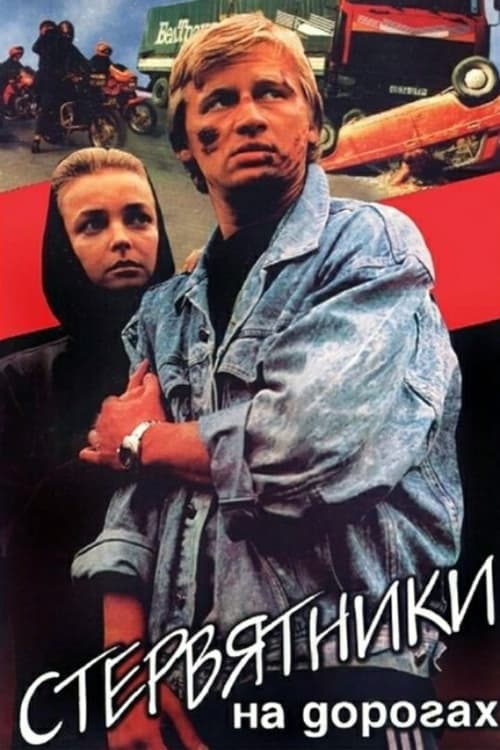
The Vultures on the Road
1990
No user ratings available yet
Diversity score: 3.3 out of 10
2001
Director
Michele Soavi
Runtime
190 minutes
Average Rating
No ratings yetSynopsis
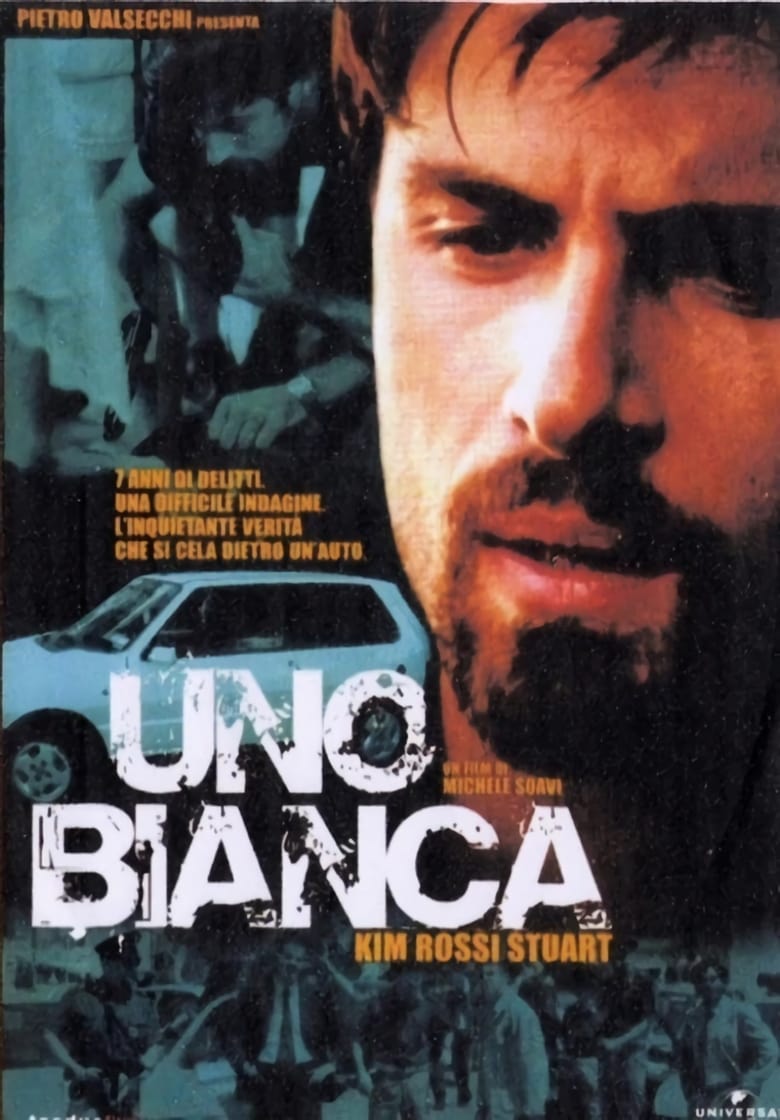
Rimini, 1991. For more than a year, the uno bianca gang - they always use a white Fiat Uno - has plagued the area. Their crimes are violent, sometimes killing carabineri, and there's no particular pattern: a bank one day, a petrol station the next, extortion of a small business the next. Are they terrorists? A foreign gang? Tied to the Mafia? After a particularly bloody shootout, two detectives are assigned to start fresh: they go through the notebooks of previous investigators and they interview a few witnesses again. They find a pattern in the crimes and predict the next assault, but the special task force in Bologna is dismissive. Can they carry on alone; how far will they get?
Overall Score
Limited
Category Breakdown
LGBTQ+ Representation
The film centers on a high-stakes criminal investigation and a violent gang. There is no evidence of LGBTQ+ characters or narratives that critique heteronormativity.
Gender Representation
The narrative prioritizes masculine authority and traditional hierarchies within a police investigation. While detectives show professional agency, the film does not subvert gender roles.
Racial & Ethnic Diversity
The setting is localized to Italy, using the gang's potential foreign origins as a plot device. The representation reflects the demographic homogeneity of regional crime dramas.
Religious & Cultural Diversity
The story operates within a framework of traditional Western institutionalism. It follows a standard procedural arc of seeking order through the Carabinieri.
Disability Representation
There is no information regarding the inclusion of characters with visible or invisible disabilities.
Strengths
Areas for Improvement
AI Analysis
Uno bianca is a traditional crime thriller that prioritizes procedural mechanics over social commentary. The narrative focuses on the visceral elements of a gang investigation and the pursuit of law and order within Italian institutions. The film adheres to the genre conventions of its era, centering on masculine authority and institutional hierarchies. It lacks intentional subversion of social structures or the inclusion of diverse intersectional identities. Ultimately, the work functions as a localized crime drama. It uses themes of ambiguity and systemic instability to drive tension rather than to explore nuanced ethnic or social identities.
No reviews yet. Be the first to share your thoughts on this movie!
Use the rating form above to leave a star rating and optional review.