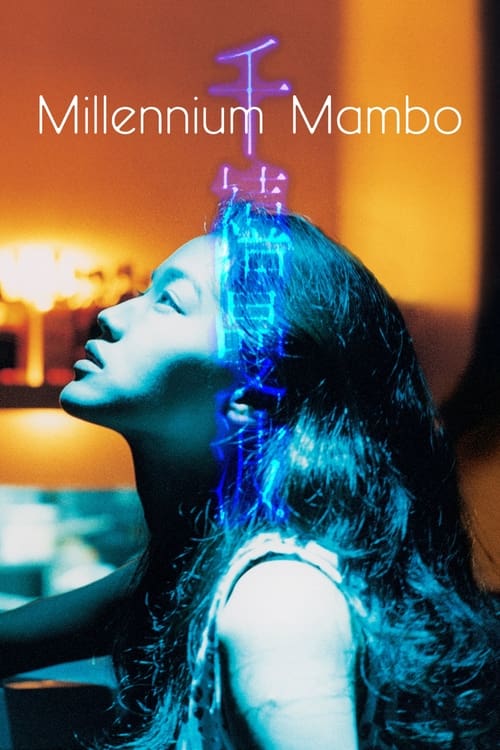
Millennium Mambo
2001
No user ratings available yet
Diversity score: 6.2 out of 10

2004
NRDirector
Hou Hsiao-hsien
Runtime
103 minutes
Average Rating
No ratings yetSynopsis
In a distinctly contemporary Tokyo that looks backwards to the city’s disappearing past, Yoko is a writer investigating the life of a modernist composer of the 1930s. She is pregnant by a man she does not want to marry and has found a kindred spirit in a used bookstore owner who aids her research.
Overall Score
Good
Category Breakdown
LGBTQ+ Representation
The film explores non-traditional connections through Yoko and a bookstore owner. While sexual orientation remains undefined, the emphasis on spiritual companionship over marriage suggests a departure from heteronormative milestones.
Gender Representation
Yoko’s intellectual pursuits and reproductive autonomy center female agency. By rejecting marriage despite her pregnancy, the narrative disrupts conventional expectations of domestic stability and traditional maternal roles.
Racial & Ethnic Diversity
Set in Tokyo, the film offers a non-Western perspective on modernity. While the cast is ethnically homogeneous, the focus on Japanese history provides a nuanced exploration of identity.
Religious & Cultural Diversity
The narrative critiques modern urban capitalism by prioritizing memory over progress. It deconstructs the nuclear family unit through Yoko’s non-traditional approach to pregnancy and life events.
Disability Representation
There is no discernible evidence regarding the portrayal of physical or neurodivergent disabilities within the film.
Strengths
Areas for Improvement
AI Analysis
Café Lumière succeeds in deconstructing traditional social institutions, particularly through its portrayal of female intellectual authority and non-traditional domesticity. Yoko serves as a complex protagonist who navigates professional research and personal autonomy outside of standard marital expectations. The film's strength lies in its atmospheric critique of modern urbanity and its focus on historical identity. By bridging the 1930s with contemporary Tokyo, it moves beyond simple storytelling to explore the loss of cultural heritage. However, the film remains ethnically homogeneous and lacks representation for disability. While it challenges heteronormative structures through spiritual companionship, it does not explicitly define specific LGBTQ+ identities.
2001
1985
2009

2012

2023
2011

2003
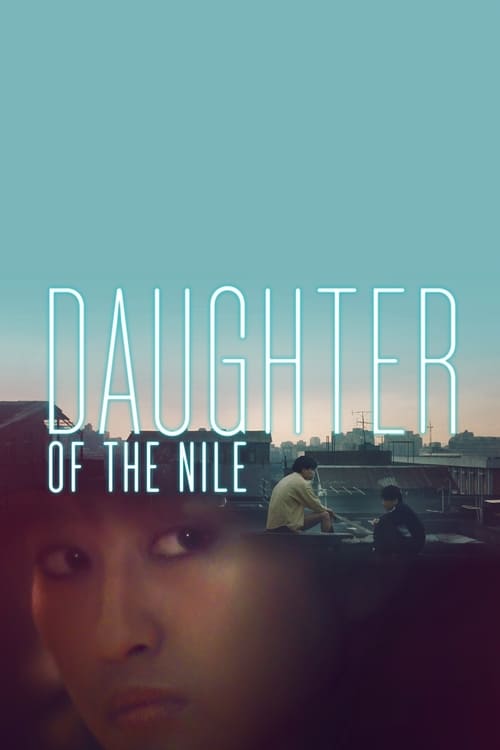
1987

2024

2001
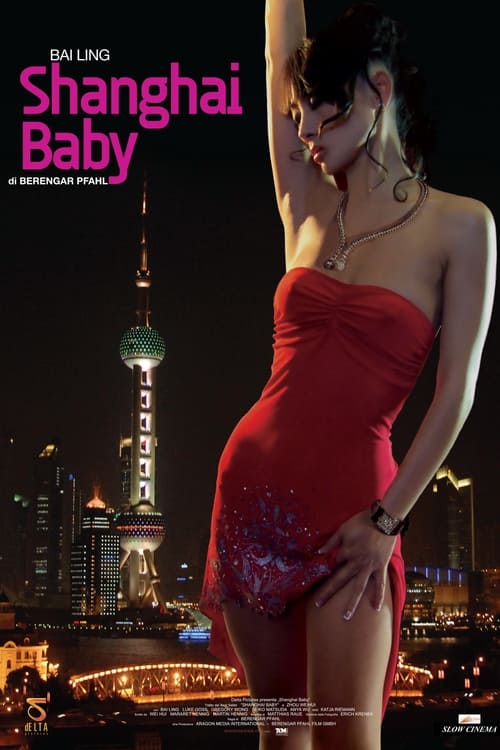
2007

2020
No reviews yet. Be the first to share your thoughts on this movie!
Use the rating form above to leave a star rating and optional review.