
On the Occasion of Remembering the Turning Gate
2002
No user ratings available yet
Representation score: 5.8 out of 10
Representation Score
Fair
2005
Not RatedDirector
Hong Sang-soo
Runtime
89 minutes
Average Rating
No ratings yetNew Showbiz Analysis
Hong Sang-soo’s work centers on character-driven exploration that subverts conventional dramatic arcs. The film favors fluid, existential investigations of human choice over traditional narrative resolutions. Though the film doesn’t overtly address identity politics, it maintains a progressive stance by rejecting traditional success metrics. The focus remains on the breakdown of social norms and the intricacies of human connection. Ultimately, the film provides a culturally specific experience that challenges mainstream cinematic structures through its minimalist and repetitive storytelling.
Category Breakdown
The film explores romantic relationships and personal connections. Although it doesn't explicitly show non-straight relationships, it avoids typical romantic clichés.
A female lead plays a significant role in driving the story, participating actively in key events alongside a male character. This challenges the idea of women as passive objects of desire.
Set in Seoul with a mostly Korean cast, the film offers a localized perspective. It avoids a Western-centric viewpoint by focusing on its specific cultural context.
The narrative delves into existential questions and personal morality through themes of suicide. It emphasizes individualistic, anti-institutional views over traditional social stability.
There is no specific evidence showing the portrayal of visible or invisible disabilities within the narrative.
Present on Screen
Limited or Absent
Official Synopsis
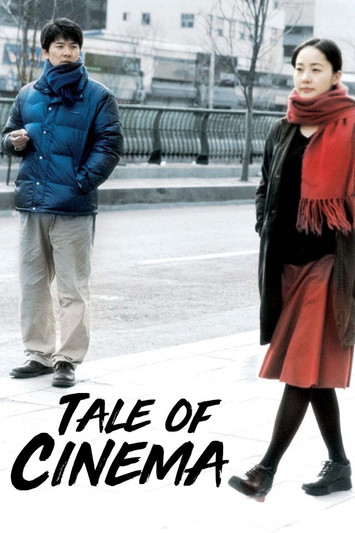
In Seoul, a suicidal student meets a young woman who decides to join him in his fatal gesture. Dongsoo, an unsuccessful filmmaker, spots a beautiful young woman, who happens to be the lead actress in the film he has just seen. Their stories will cross paths thanks to their love for cinema.
2002

2012

2022
2015

2004
2011

2018

2006
No reviews yet. Be the first to share your thoughts on this movie!
Use the rating form above to leave a star rating and optional review.