
Alô Alô Carnaval
1936
No user ratings available yet
Representation score: 5.7 out of 10
Representation Score
Good
1983
Director
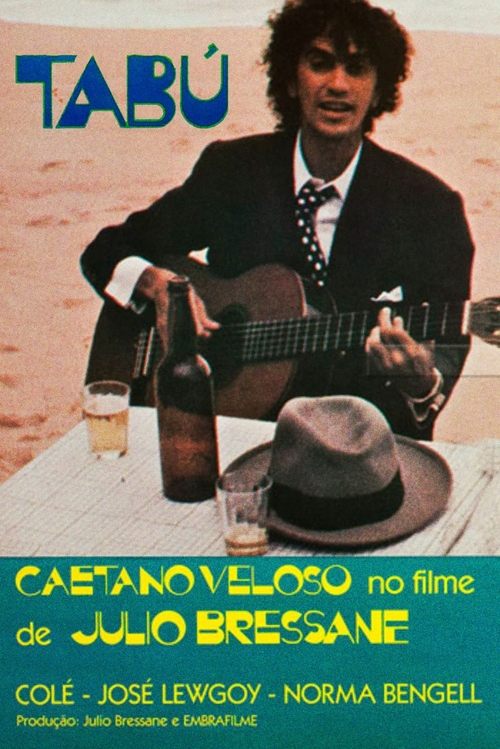
Júlio Bressane
Runtime
78 minutes
Average Rating
No ratings yetNew Showbiz Analysis
Júlio Bressane’s *Tabu* is an intellectual deconstruction. By dramatizing a fictional encounter between Lamartine Babo and Oswald de Andrade, the film critiques artistic and social hierarchies using historical figures. It leverages avant-garde traditions of Cinema Marginal. The film stands out for its cultural subversion and rejection of mainstream narrative structures. It prioritizes subjective morality and intellectual iconoclasm, marking a significant departure from conventional Western storytelling. However, the film remains constrained by its narrow focus on male intellectual history. Despite the potential for broader representation, the lack of women's ability to drive the story or disability representation limits its scope.
Category Breakdown
The film includes Oswald de Andrade, who challenged traditional norms. While there's no explicit intimacy, the historical subject matter likely contains queer undertones.
The story centers on a male encounter and explores a historical meeting between two men. It lacks women's ability to drive the story and does not challenge traditional gender roles.
Set in 1930s Rio de Janeiro, the film addresses Brazil's complex racial dynamics. It shifts away from Anglo-centric narratives by focusing on Brazilian cultural figures.
The film highlights a dialogue between a songwriter and a poet, emphasizing intellectual rebellion and criticism of established cultural norms rather than traditional values.
There are no characters with visible or invisible disabilities in the film.
Present on Screen
Limited or Absent
Official Synopsis
The fictional encounter in Rio de Janeiro, Brazil (in the 30s) between popular songwriter Lamartine Babo and inconoclast poet and playwright Oswald de Andrade.
1936

2007

2023

1972

1979

2023
1963
1969
No reviews yet. Be the first to share your thoughts on this movie!
Use the rating form above to leave a star rating and optional review.