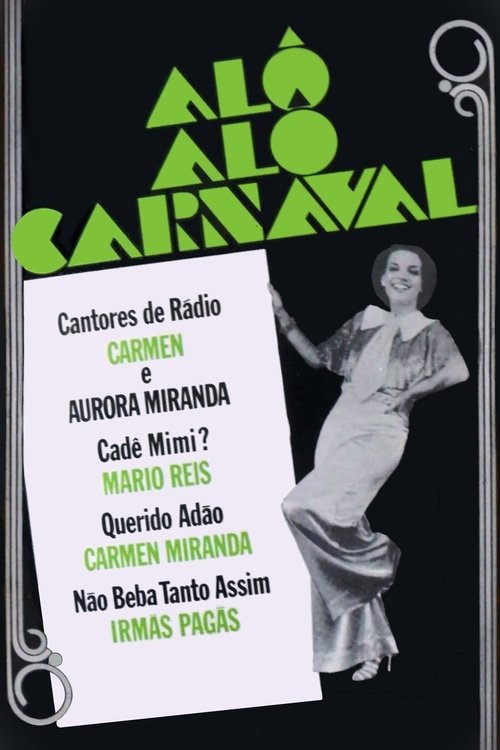
Alô Alô Carnaval
1936
No user ratings available yet
Representation score: 5.7 out of 10
Representation Score
Fair
1972
Director
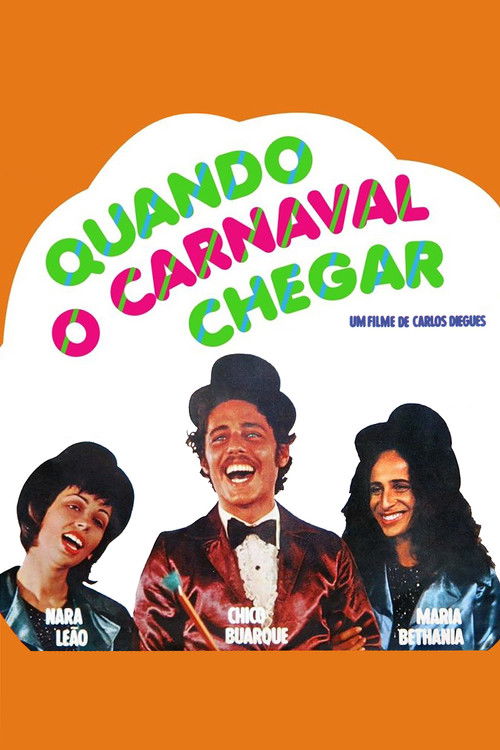
Carlos Diegues
Runtime
100 minutes
Average Rating
No ratings yetNew Showbiz Analysis
Carlos Diegues uses the vibrant, chaotic setting of the Brazilian Carnival to challenge Eurocentric perspectives and traditional hierarchies. By centering Afro-Brazilian identity and local cultural rhythms, the film provides a platform for underrepresented expressions. While the Carnival setting offers potential for gender empowerment and non-traditional social structures, the specific character arcs remain unconfirmed. The industry-focused plot may still rely on traditional management roles. Overall, the film critiques formal social structures, favoring communal celebration over rigid institutions, making it a strong example of regional identity and cultural autonomy.
Category Breakdown
The film's Carnival setting hints at openness to non-traditional social structures, but there is no clear depiction of queer identities or same-sex relationships.
Women play significant roles in the Carnival setting, but the main plot focusing on a music manager might reinforce traditional gender dynamics.
The film highlights Afro-Brazilian identity and racial blending inherent to Carnival, emphasizing underrepresented cultural expressions and non-Anglo-Saxon traditions.
The film favors communal, subversive celebrations over strict institutional norms, prioritizing local, non-Western social rhythms and cultural autonomy.
There is no evidence of characters with visible or invisible disabilities within the narrative.
Present on Screen
Limited or Absent
Official Synopsis
Music manager has to get three of his artists together for a special show, but soon finds out it isn't an easy task.
1936
1979
1962

1997

1958
1958
1983
1969
No reviews yet. Be the first to share your thoughts on this movie!
Use the rating form above to leave a star rating and optional review.