Anita and Me
2002
No user ratings available yet
Representation score: 8.1 out of 10
Representation Score
Good
2010
Director
Andy de Emmony
Runtime
103 minutes
Average Rating
No ratings yetNew Showbiz Analysis
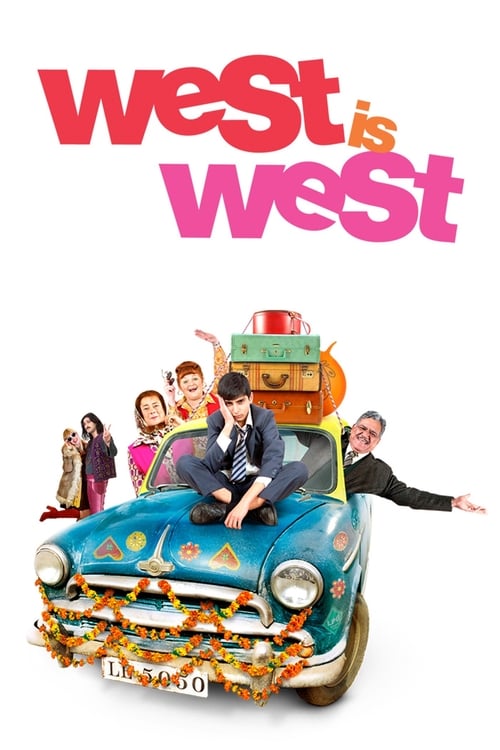
West Is West succeeds as a piece of storytelling that centers the South Asian diaspora and explores post-colonial identity. It moves beyond Anglo-centric perspectives to examine the complexities of heritage and the friction between modern autonomy and traditional expectations. However, the film's scope is limited regarding specific identity groups. It lacks meaningful representation for LGBTQ+ individuals and characters with disabilities, keeping the narrative focused on ethnic and generational conflict. Ultimately, the film's strength lies in its nuanced deconstruction of patriarchal hierarchies and the immigrant experience, even if it remains within a largely straight-centered framework.
Category Breakdown
The film focuses on traditional family structures and does not include significant queer romantic arcs or non-cisgender identities, emphasizing ethnicity and generational trauma instead.
The film explores gendered power dynamics through patriarchal authority. While the father holds tyrannical control, matriarchs in Punjab play crucial roles in family survival.
The film excels in depicting the South Asian diaspora. It addresses the tension between the Pakistani-British experience in Salford and ancestral roots in Punjab, challenging monolithic immigrant identities.
The film critiques the tension between Western societal pressures and rigid cultural traditions. It avoids simplistic binaries, instead framing the struggle through systemic tension and historical context.
The film does not prominently depict physical or neurodivergent disabilities. The protagonist's psychological crisis during puberty serves as a focal point but does not represent intentional disability portrayal.
Present on Screen
Limited or Absent
Official Synopsis
Salford, North of England, 1976. The now much diminished, but still dysfunctional, Khan family continues to struggle for survival. Sajid, the youngest Khan is deep in pubescent crisis under heavy assault both from his father's tyrannical insistence on Pakistani tradition, and from the fierce bullies in the schoolyard. So, in a last, desperate attempt to 'sort him out', his father decides to pack him off to Mrs Khan No 1 and family in the Punjab, the wife and daughters he had abandoned 35 years earlier.
2002
1999
2017

2004
2017
2017
1993
2011
No reviews yet. Be the first to share your thoughts on this movie!
Use the rating form above to leave a star rating and optional review.