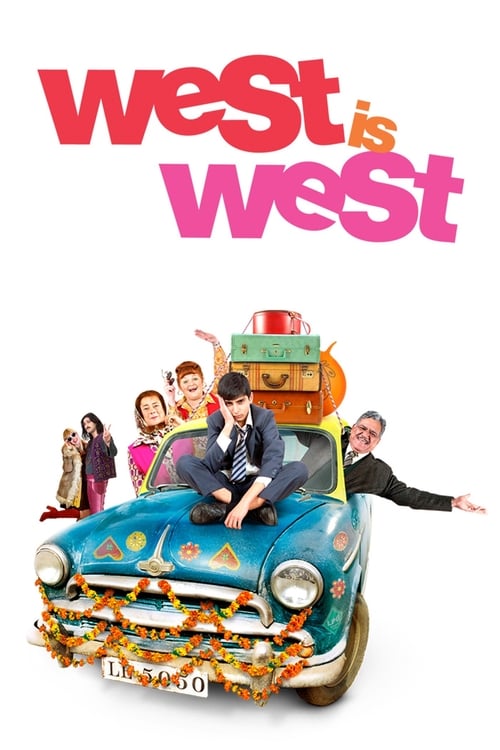
West Is West
2010
No user ratings available yet
Diversity score: 5.8 out of 10
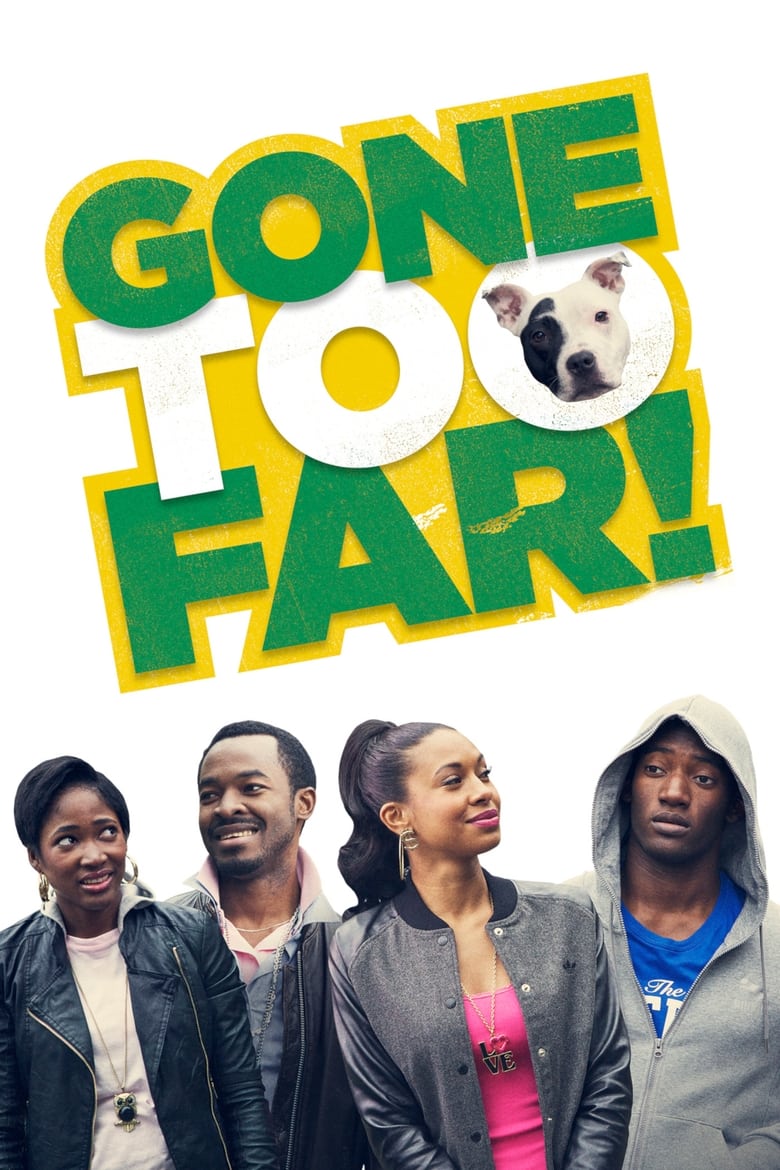
2014
Director
Destiny Ekaragha
Runtime
87 minutes
Average Rating
No ratings yetSynopsis
When London teenager Yemi’s big brother comes to live with him from Nigeria, Ikudayisi’s terrible fashion sense, broad Yoruba accent and misplaced confidence with the opposite sex threaten to destroy Yemi’s already small amount of street cred. When the pair are forced to spend the day together on their Peckham estate Yemi is forced to confront local bullies, the unattainable girl of his dreams and his own African heritage, eventually teaching both of them the values of family and self-respect.
Overall Score
Fair
Category Breakdown
LGBTQ+ Representation
The film focuses on heteronormative romantic pursuits and traditional family structures. It lacks explicit queer narratives or non-cisnormative gender identities.
Gender Representation
The narrative explores male vulnerability and the friction between different modes of masculinity. It centers emotional intelligence rather than adhering to rigid, dominant-masculine archetypes.
Racial & Ethnic Diversity
The film excels by centering a Yoruba-Nigerian immigrant experience in Peckham. It uses specific linguistic markers and cultural nuances to provide high agency to characters of color.
Religious & Cultural Diversity
The story explores the tension between traditional African values and contemporary urban social hierarchies. It deconstructs standard British identity by placing an immigrant narrative at the center.
Disability Representation
There is no prominent depiction of visible or invisible disabilities. Character struggles are primarily social and identity-based rather than centered on physical or neurodivergent impairments.
Strengths
Areas for Improvement
AI Analysis
Gone Too Far! distinguishes itself through a sophisticated, color-conscious approach to Black identity. By focusing on the specific cultural friction between the Nigerian diaspora and the local British-African experience in Peckham, the film avoids monolithic depictions of race. While the film provides deep ethnic and cultural specificity, it remains more traditional in its romantic and gendered frameworks. The narrative architecture leans heavily into heteronormative tropes and lacks representation for LGBTQ+ identities or individuals with disabilities. Ultimately, the film's strength lies in its ability to disrupt Anglo-centric urban narratives, offering a nuanced look at how heritage and social status intersect in a modern London setting.
2010
2009
1999
2006

2017
2019
2017

2021

2019
2015
2013
2014
No reviews yet. Be the first to share your thoughts on this movie!
Use the rating form above to leave a star rating and optional review.