
A Spicy Kraut
2014
No user ratings available yet
Representation score: 4.3 out of 10
Representation Score
Fair
2015
Director
Neelesha Barthel
Runtime
90 minutes
Average Rating
No ratings yetNew Showbiz Analysis
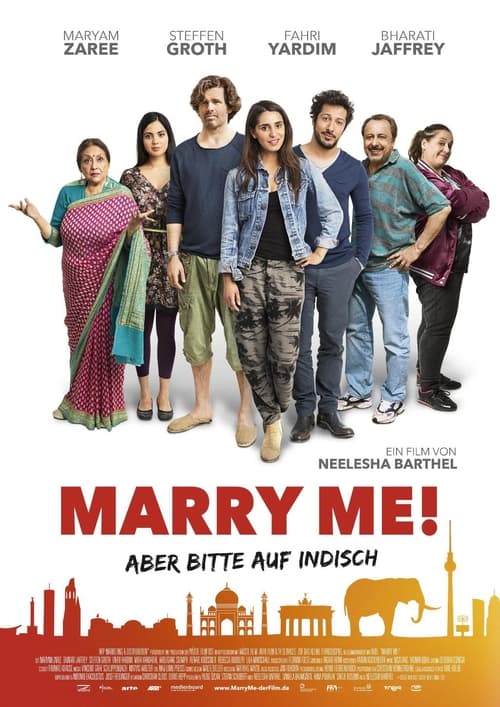
Marry Me! navigates the tension between diaspora identity and Western residency. It centers on a woman's struggle to maintain autonomy against traditionalist mandates, effectively disrupting standard family unit clichés. The film's strength lies in its character-driven approach to cultural negotiation. By placing a South Asian narrative within a European urban context, it challenges conventional expectations of domesticity and assimilation. However, the narrative remains tethered to traditional marriage expectations. While it subverts some gender clichés, the plot's resolution is driven by the necessity of a traditional marriage, limiting its scope of representation.
Category Breakdown
The film focuses on heterosexual and cisgender relationships without explicitly addressing queer narratives or non-cisgender identities.
Kishori manages both a household and a cafe, challenging traditional gender roles. Her fight for autonomy against patriarchal expectations creates central narrative tension.
The story blends Indian heritage with a Berlin setting, offering significant depth to the South Asian diaspora narrative. It challenges standard European domestic norms.
The film critiques traditionalist institutions by presenting strict familial values as obstacles to personal freedom. It prioritizes communal living over rigid ancestral hierarchies.
There is no discernible evidence regarding the portrayal of physical or neurodivergent disabilities in this work.
Present on Screen
Limited or Absent
Official Synopsis
Kishori, unmarried and mother to a daughter, and her sister Sonal live in a house in Berlin. The house and a cafe on the ground floor are led by Kishori. All of a sudden, her strict and traditional grandmother comes for a visit from India. She wants to sell the house unless Kishori agrees to marry the father of her daughter, Robert. As Kishori feels obliged to all the befriended inhabitants of the house, including Robert, to keep the house, Kishori und Robert prepare to have a traditional Indian wedding.
2014
2006
2016

2011

2013

2022

2014

2008
No reviews yet. Be the first to share your thoughts on this movie!
Use the rating form above to leave a star rating and optional review.