
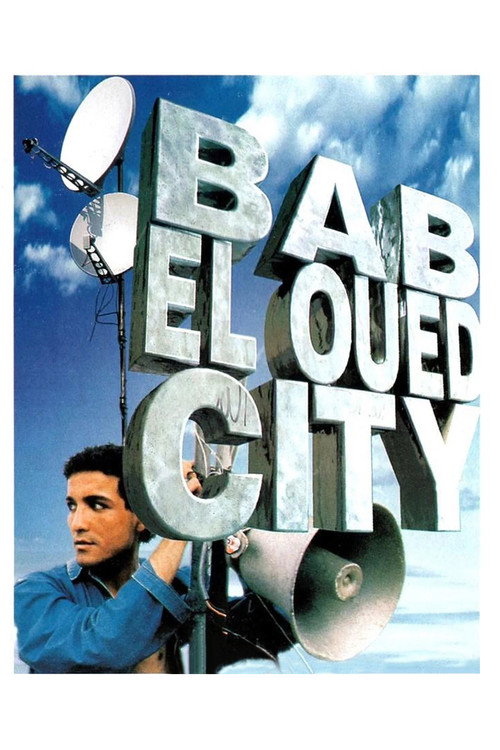
Neuilly Yo Mama!
2009
No user ratings available yet
Representation score: 6.5 out of 10
Representation Score
Good
1996
Director
Merzak Allouache
Runtime
98 minutes
Average Rating
No ratings yetNew Showbiz Analysis
Merzak Allouache uses a comedic lens to explore deep post-colonial tensions and the complexities of the immigrant experience. The film excels by giving North African characters ability to act and depth within a multi-ethnic urban setting. Its main strength lies in its deconstruction of Western-centric social hierarchies. By focusing on the 18th arrondissement, the film offers a nuanced counter-narrative to traditional colonial depictions. However, the film does not engage specifically with queer identities or disability-focused storylines. While it handles cultural and racial themes with sophistication, these omissions prevent a higher overall score.
Category Breakdown
The film does not include explicit LGBTQ+ characters or non-straight relationships. Instead, it focuses on male friendships and romantic connections between Algerian and French characters.
Gender hierarchies are challenged through personal bonds rather than strict patriarchal structures. The female lead participates in cultural exchange but is not portrayed as a dominant intellectual figure.
The film highlights the Algerian perspective within Paris, presenting the 'Moskova' district as a vibrant, multicultural area that counters Eurocentric norms. This focus provides a rich, diverse urban landscape.
The story delves into post-colonial critiques and the Franco-Algerian relationship. It emphasizes the lived experiences of underrepresented migrants rather than idealized Western institutions.
There is no significant portrayal of physical or neurodivergent disabilities in the film.
Present on Screen
Limited or Absent
Official Synopsis
The comedy in this lively film barely conceals its darker, more serious undertones as it chronicles a young Algerian's eye-opening introduction to the joys and travails of being an immigrant in Paris. Alilo has left his home to pick up an important suitcase for his employer. Unfortunately, he has lost the Parisian address. Fortunately, his cousin Mok, emigrated there several years before with his middle-class family before and is able to act as a guide. Mok, an aspiring rap singer, comes from a middle-class family, but chooses to live on his own in the dilapidated deteriorating 18th district, known as 'Moskova.' Mok characterizes the place as a haven for artists and intellectuals, but it is plainly just a Third World slum filled with tightly knit and colorful neighbors. Mok and Alilo have many interesting, some tragedy-tinged adventures over the five days it takes them to find the suitcase.
2009
1981

2011

2017
2003

2013
1994
2019
No reviews yet. Be the first to share your thoughts on this movie!
Use the rating form above to leave a star rating and optional review.