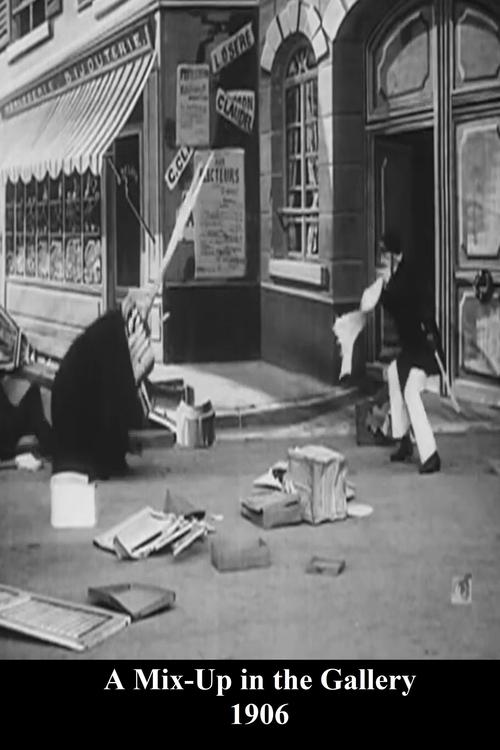
A Mix-Up in the Gallery
1906
No user ratings available yet
Diversity score: 2.5 out of 10

1908
Not RatedDirector
Georges Méliès
Runtime
3 minutes
Average Rating
No ratings yetSynopsis
One fine day at a barbershop that has stupid staff and very rude customers.
Overall Score
Limited
Category Breakdown
LGBTQ+ Representation
The film lacks any documented evidence of non-cisnormative identities or same-sex intimacy. The narrative focuses on slapstick situational comedy rather than identity-based exploration.
Gender Representation
The premise centers on chaotic interpersonal dynamics between staff and customers. There is no evidence of women occupying positions of intellectual superiority or subverting masculine competence.
Racial & Ethnic Diversity
The film likely reflects the homogeneous demographic norms of early 20th-century French cinema. There is no evidence of race-bent casting or intentional intersectional blending.
Religious & Cultural Diversity
The story depicts a breakdown of social decorum through rude customers and incompetent staff. It functions as a character-driven comedy of errors rather than a systemic critique.
Disability Representation
There is no verifiable evidence of characters with visible or invisible disabilities. No such characters appear to be used as narrative devices.
Strengths
Areas for Improvement
AI Analysis
Georges Méliès's work in this era prioritizes visual spectacle and physical comedy over identity-based narratives. The film functions as a traditional study of social friction within a barbershop setting. While Méliès pioneered surrealist techniques, this specific short does not demonstrate a pattern of intentional intersectional representation. It relies on established comedic tropes of the period rather than disrupting social hierarchies. Ultimately, the film is a product of its time, focusing on situational chaos rather than the exploration of diverse social or cultural identities.
1906
1907
1900
1908
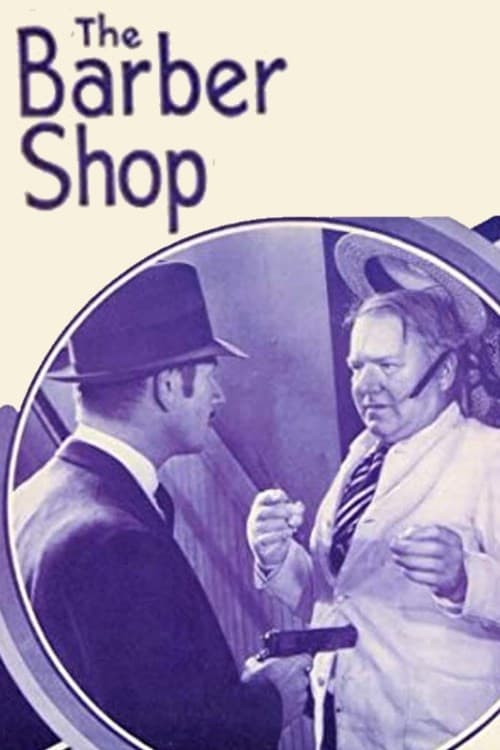
1933
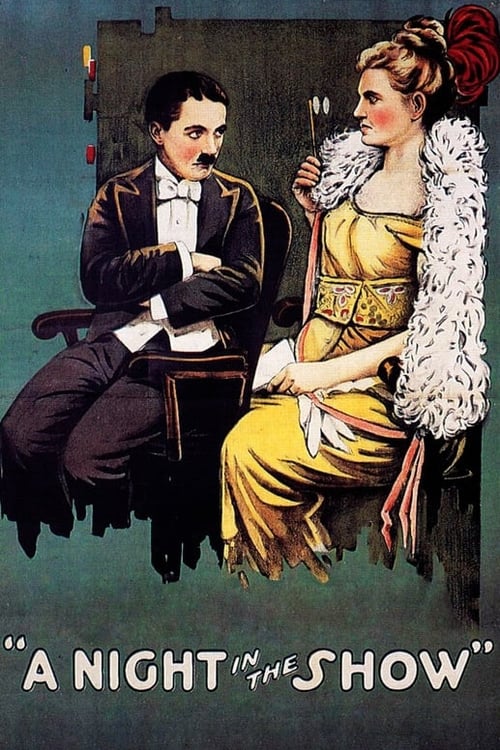
1915
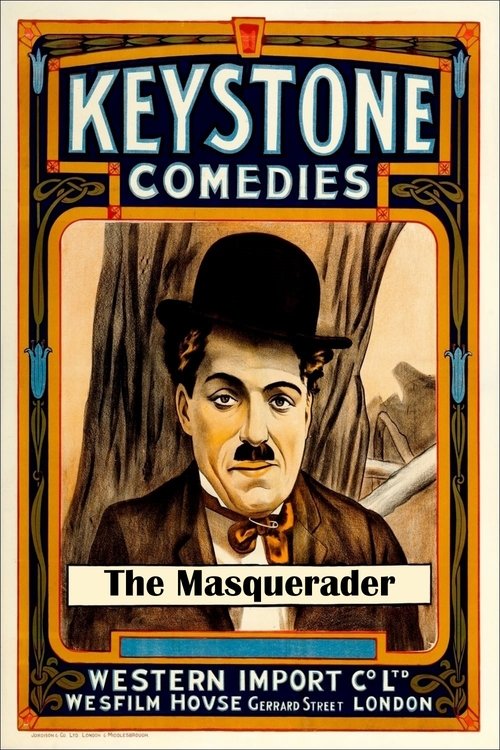
1914
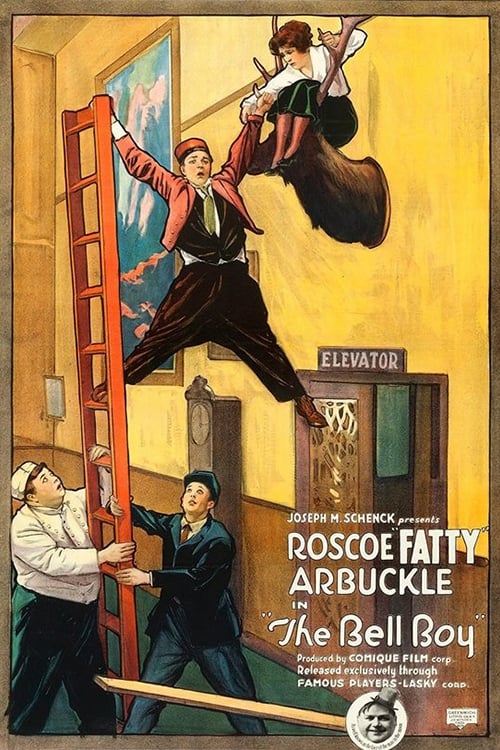
1918
1916
1938
1914
1905
No reviews yet. Be the first to share your thoughts on this movie!
Use the rating form above to leave a star rating and optional review.