
Moebius
2013
No user ratings available yet
Representation score: 4.9 out of 10
Representation Score
Good
2012
NRDirector
Kim Ki-duk
Runtime
104 minutes
Average Rating
No ratings yetNew Showbiz Analysis
Pieta succeeds by dismantling traditional power structures, particularly through its subversion of gender hierarchies and its critique of capitalist dehumanization. The film replaces standard social expectations with unconventional bonds and moral relativism. However, the film lacks diversity in terms of sexual orientation and ethnic variety. The narrative is deeply rooted in a specific South Korean context, which limits its multi-ethnic scope. Ultimately, the film's strength lies in its intellectual challenge to the nuclear family and systemic economic oppression, even if it relies on suffering to drive its character arcs.
Category Breakdown
The film focuses entirely on heterosexual relationships and does not include any queer narratives or non-cisgender identities.
Ma-ri exerts significant influence over the male protagonist, challenging traditional masculine roles and exerting her own psychological control.
The cast is predominantly South Korean, reflecting a localized perspective without significant multi-ethnic representation.
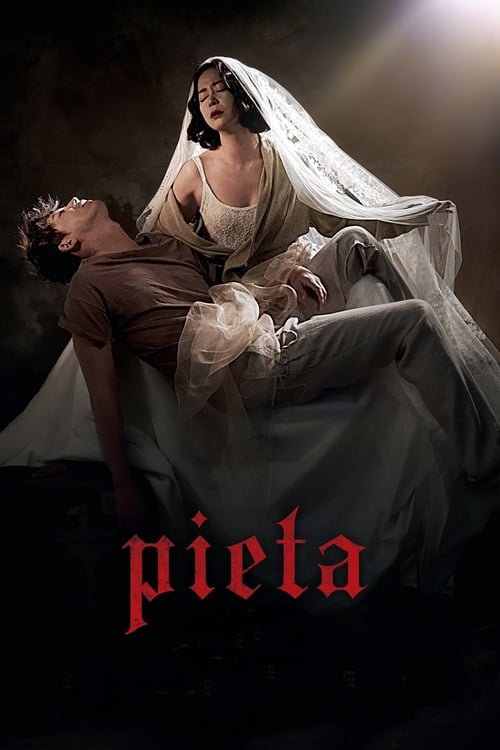
The film critiques capitalism and deconstructs the traditional family unit. It explores themes of martyrdom and suffering through religious imagery.
The film deals with psychological trauma and physical suffering, but these elements serve more as plot devices rather than nuanced explorations of disability.
Present on Screen
Limited or Absent
Official Synopsis
A loan shark is forced to reconsider his violent lifestyle after the arrival of a mysterious woman claiming to be his long-lost mother.
2013

2007

2004

2002

2011

2000

2015

2002
No reviews yet. Be the first to share your thoughts on this movie!
Use the rating form above to leave a star rating and optional review.