
Taking Woodstock
2009
No user ratings available yet
Diversity score: 6.3 out of 10

2015
RRuntime
113 minutes
Average Rating
No ratings yetSynopsis
A sweeping multigenerational story set against the backdrop of the raw, roaring New York City of the late 1980s; adoption, teen pregnancy, drugs, hardcore punk rock, the unbridled optimism and reckless stupidity of the young—and old—are all major elements in this heart-aching tale of the son of diehard hippies and his strange odyssey through the extremes of late 20th century youth culture.
Overall Score
Fair
Category Breakdown
LGBTQ+ Representation
The film lacks explicit queer visibility or non-cisnormative gender expressions. While it critiques heteronormative standards through the lens of polygamy, it does not center LGBTQ+ identities.
Gender Representation
Female characters demonstrate significant agency, disrupting traditional tropes of passivity. The narrative explores how women navigate restrictive social and religious hierarchies to find personal autonomy.
Racial & Ethnic Diversity
The story focuses on a specific cultural demographic within late 20th-century New York. It does not prioritize significant racial intersectionality or a non-Anglo-Saxon majority.
Religious & Cultural Diversity
The film examines the friction between individual morality and religious dogma. It uses youth culture and rebellion to deconstruct traditional Western social stability and institutional authority.
Disability Representation
There is no evidence available to evaluate the portrayal of visible or invisible disabilities within this narrative.
Strengths
Areas for Improvement
AI Analysis
10,000 Saints is a character-driven study that prioritizes the subversion of social and religious hierarchies over broad demographic representation. Its primary strength lies in its interrogation of institutional authority and the agency of the individual against systemic structures. The film excels at deconstructing gendered expectations and exploring the tension between personal truth and religious dogma. However, it remains limited by a narrow focus on specific cultural demographics, lacking significant racial intersectionality or explicit LGBTQ+ representation. Ultimately, the film functions as a progressive exploration of subjective morality, even if it lacks high-visibility markers in several key diversity categories.
2009

1970
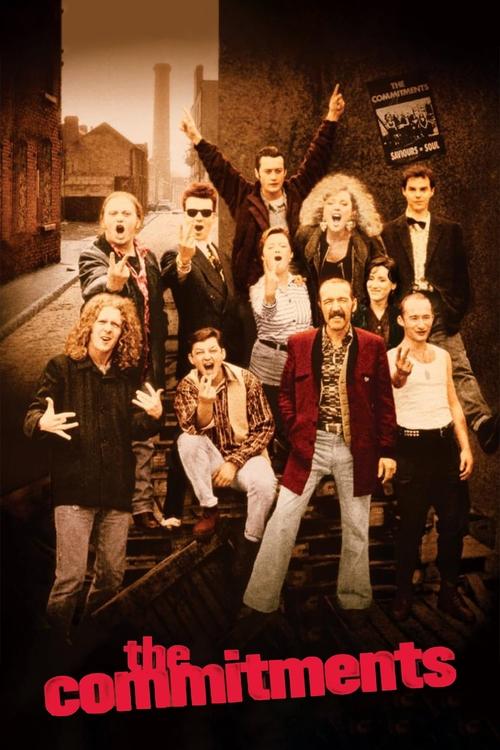
1991
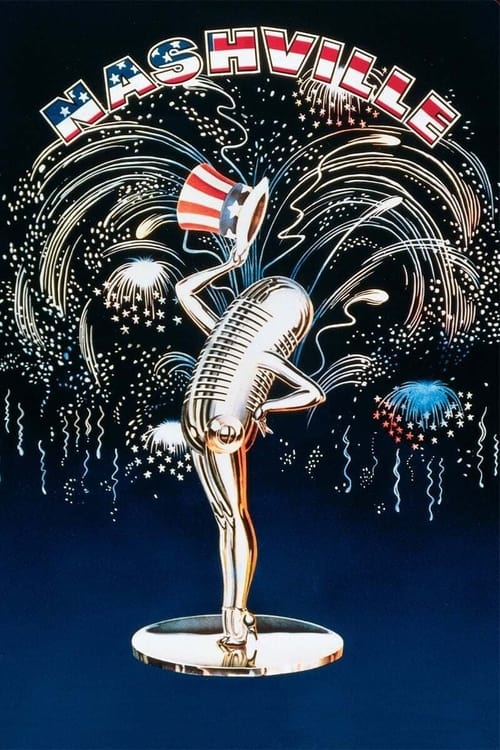
1975

2007

2002

1995

2014

1979

2016

1998

1996
No reviews yet. Be the first to share your thoughts on this movie!
Use the rating form above to leave a star rating and optional review.