That Thing You Do!
1996
No user ratings available yet
Representation score: 1.4 out of 10
Representation Score
Limited
1991
RDirector
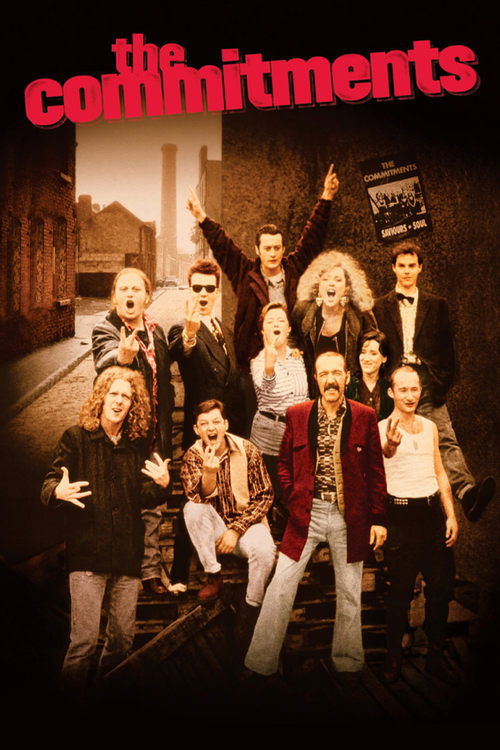
Alan Parker
Runtime
118 minutes
Average Rating
No ratings yetNew Showbiz Analysis
The film is a work of intense social realism that prioritizes class-based storytelling over demographic diversity. It finds its strength in a systemic critique of economic institutions and the celebration of subcultural identity amidst societal decay. While the narrative lacks diversity in terms of gender and LGBTQ+ representation, it successfully challenges traditional notions of order. It frames the unpolished lives of its protagonists as a valid rebellion against a stagnant status quo. Ultimately, the film functions as a localized critique of systemic neglect, using music as a vehicle for identity formation within a specific working-class context.
Category Breakdown
The film focuses almost exclusively on heterosexual and cisgender social structures in 1980s Dublin. There is a notable absence of queer narratives or diverse gender identities within the central ensemble.
Power dynamics center around a male-dominated musical collective. Women play essential vocal roles but often serve the male-led project.
The cast is predominantly made up of white Irish actors. The film explores racial identity through the white Irish adoption of African-American Soul and Motown music.
The narrative excels in critiquing socioeconomic stagnation and capitalist failure. It frames the characters' rowdy, anti-social behaviors as authentic responses to an oppressive urban environment.
There are no prominent or meaningful depictions of visible or invisible disabilities that drive the narrative or provide character's ability to drive the story.
Present on Screen
Limited or Absent
Official Synopsis
Jimmy Rabbitte, just a thick-ya out of school, gets a brilliant idea: to put a soul band together in Barrytown, his slum home in north Dublin. First he needs musicians and singers: things slowly start to click when he finds three fine-voiced females virtually in his back yard, a lead singer (Deco) at a wedding, and, responding to his ad, an aging trumpet player, Joey "The Lips" Fagan.
1996
2014
2016
1975
2000
1986
2002
1989
No reviews yet. Be the first to share your thoughts on this movie!
Use the rating form above to leave a star rating and optional review.