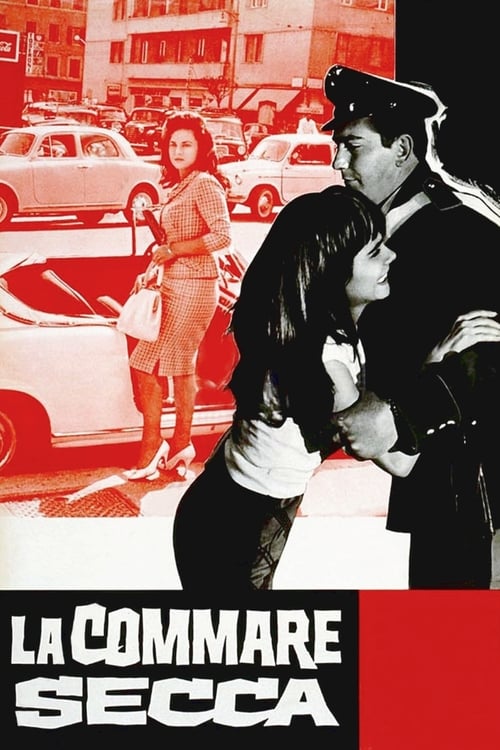
La Commare Secca
1962
No user ratings available yet
Representation score: 3.0 out of 10
Representation Score
Good
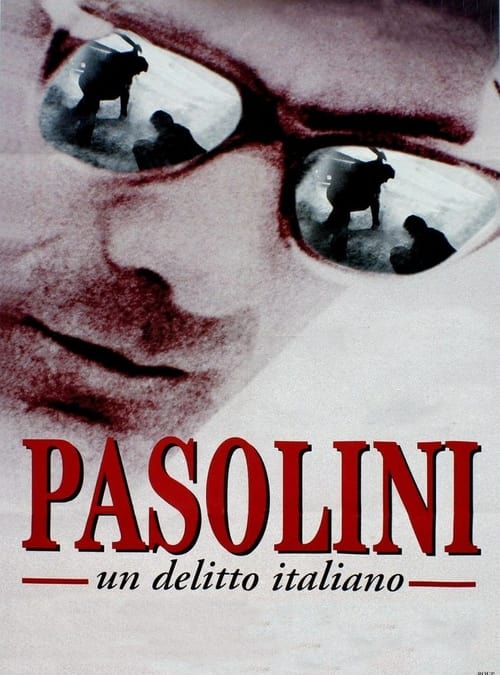
1995
NRDirector
Marco Tullio Giordana
Runtime
100 minutes
Average Rating
No ratings yetNew Showbiz Analysis
Marco Tullio Giordana’s biographical drama centers on Pier Paolo Pasolini’s queer identity, using it to explore personal and political struggles. The film challenges the religious and social constraints of 1970s Italy. While it offers a nuanced critique of institutional power and class dynamics, its historical setting limits its racial diversity. The film effectively deconstructs social hierarchies through moral relativism and anti-capitalist sentiment.
Category Breakdown
The film focuses on Pier Paolo Pasolini’s life, highlighting his sexual orientation and the persecution he faced as a queer individual in 1970s Italy.
It examines the tension between traditional gender roles and Pasolini’s non-conformity, emphasizing the subversion of traditional masculinity.
The cast reflects the demographics of 1970s Italy, focusing on the Italian working and intellectual classes, with an emphasis on class-based diversity.
The film criticizes the Catholic Church and consumerist capitalism as oppressive forces. It portrays the truth of the murder as a multifaceted construct rather than a single fact.
The film does not significantly depict visible or invisible disabilities.
Present on Screen
Limited or Absent
Official Synopsis
November 2, 1975: Pier Paolo Pasolini is murdered in the outskirts of Rome. The suspect, a 17-year-old hustler, pleads to have acted in self-defense, citing Pasolini's notorious sexual habits as proof. However, many inconsistencies start to undermine his version, pointing to him not having acted alone or even being assaulted in the first place. Was Pasolini also killed for another reason?
1962
2012
1961
1962
1972
1996
1967
1988
No reviews yet. Be the first to share your thoughts on this movie!
Use the rating form above to leave a star rating and optional review.