
The Moro Affair
1986
No user ratings available yet
Representation score: 4.0 out of 10
Representation Score
Fair
2012
Director
Marco Tullio Giordana
Runtime
129 minutes
Average Rating
No ratings yetNew Showbiz Analysis
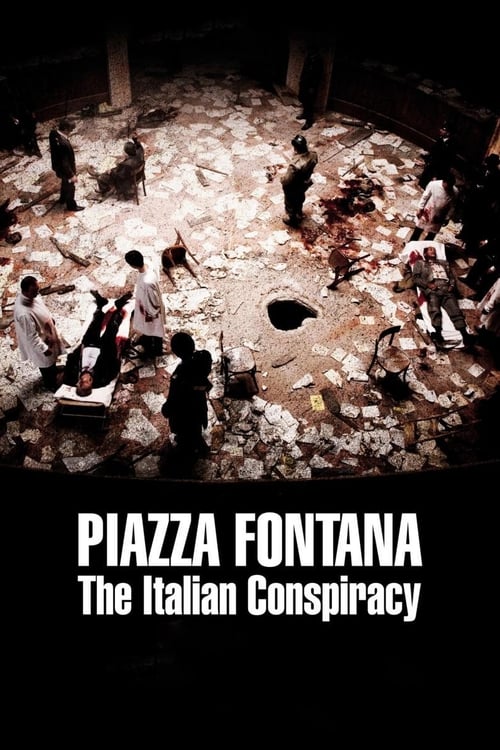
Piazza Fontana: The Italian Conspiracy is a dense historical drama that prioritizes a critical examination of institutional power over demographic diversity. It excels in revealing the role of state and neo-fascist entities in undermining democracy. However, the film is confined by its historical context, which limits representation of LGBTQ+ identities, disabilities, and gender parity within its central themes. Ultimately, the film chooses a focused critique of institutional power over traditional identity-driven diversity.
Category Breakdown
The film focuses on the political and investigative environment of late-1960s Italy and does not include any LGBTQ+ characters or non-traditional gender identities.
The movie centers on male-dominated fields such as law enforcement and journalism. Women are shown within traditional roles of the time but do not challenge gender hierarchies.
Set in a specific historical context, the film reflects the demographics of the period. It emphasizes class and political identity rather than diverse racial or ethnic representation.
The film provides a sophisticated critique of Western institutions and state authority. It portrays intelligence services and capitalist interests as part of a system that perpetuates violence and misinformation.
The story does not feature characters with disabilities as central figures. The focus is on the psychological and political impact of the Years of Lead.
Present on Screen
Limited or Absent
Official Synopsis
On December 12, 1969, a bomb kills 17 people at the Piazza Fontana national bank in Milan, Italy, marking the beginning of the Years of Lead. Local anarchists are scapegoated for the massacre by police and the media, but a lone prosecutor uncovers a conspiracy of far-right groups, corrupt secret services, and other interests that seek to undermine democracy.
1986
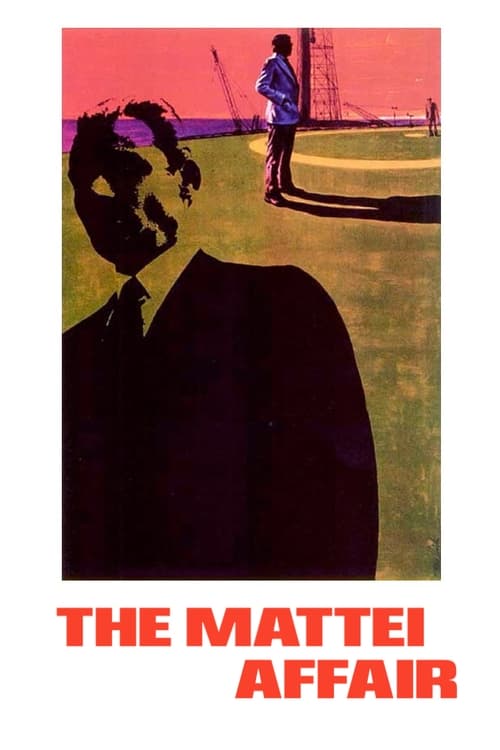
1972
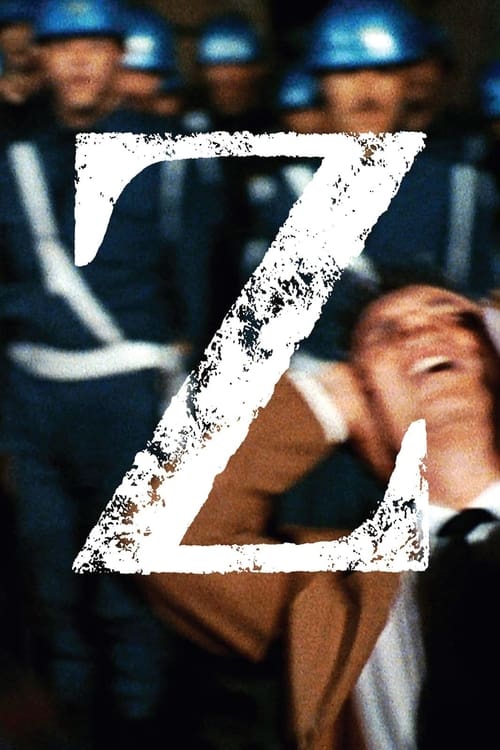
1969
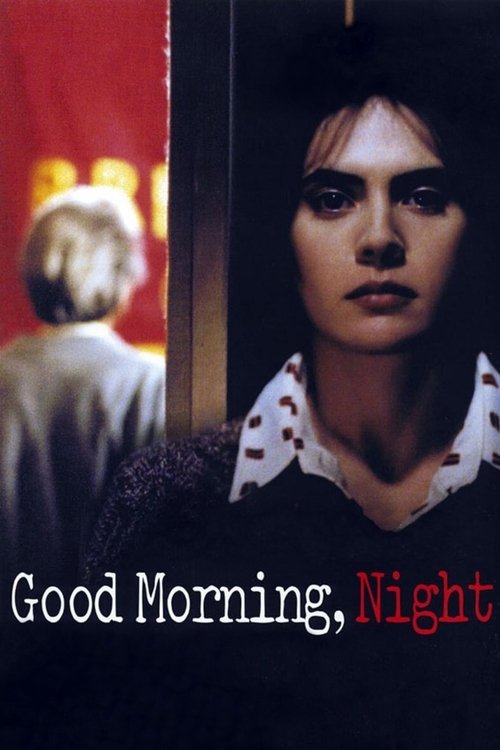
2003
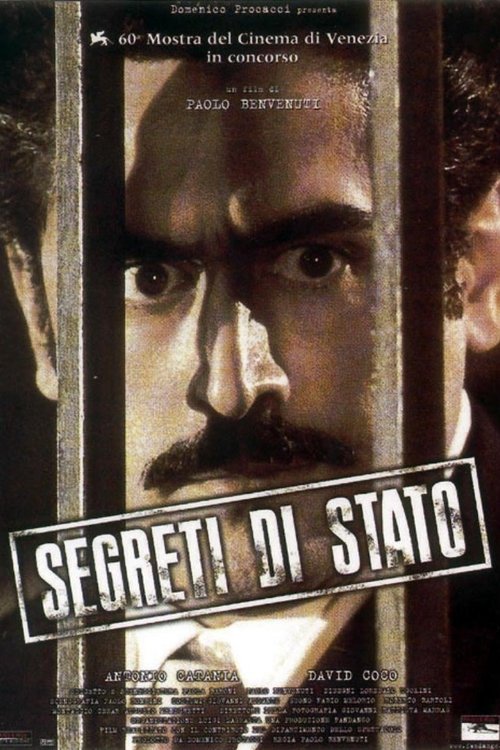
2003
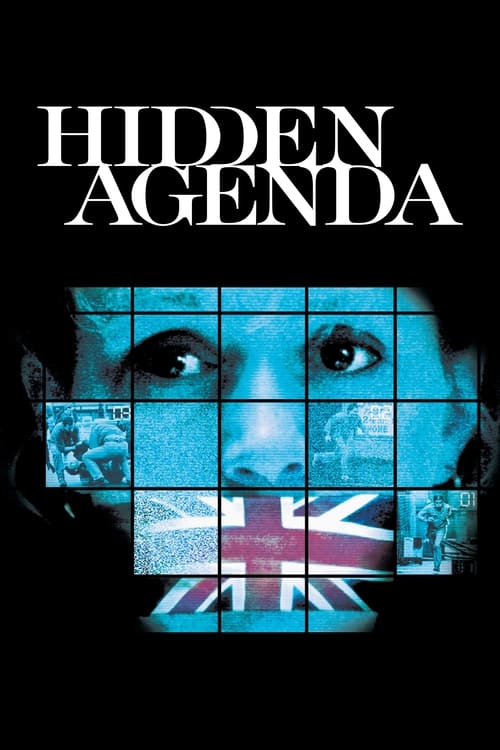
1990

1991
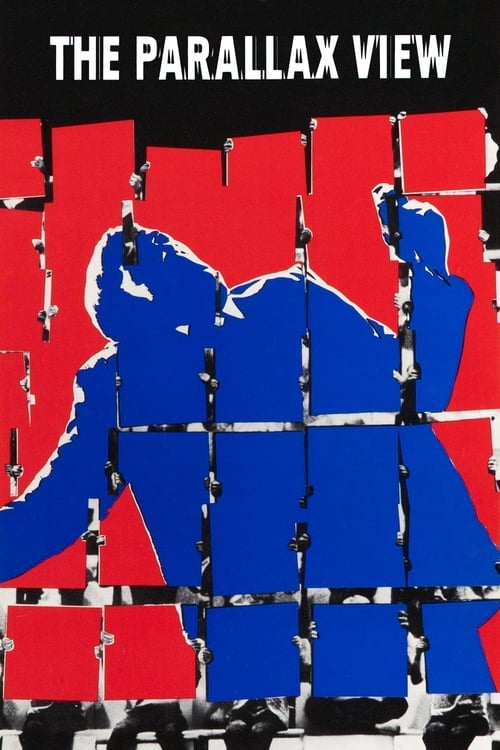
1974
No reviews yet. Be the first to share your thoughts on this movie!
Use the rating form above to leave a star rating and optional review.