
Riverrun
1968
No user ratings available yet
Representation score: 4.4 out of 10
Representation Score
Good
1964
Director
Jaromil Jireš
Runtime
80 minutes
Average Rating
No ratings yetNew Showbiz Analysis
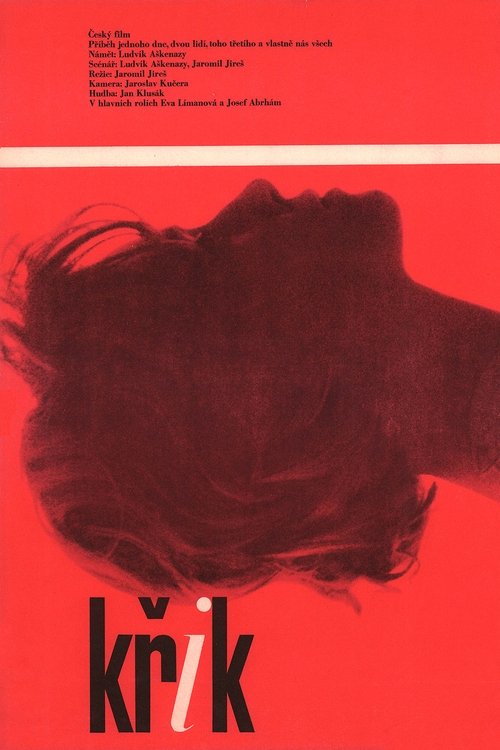
Jaromil Jireš’s *The Cry* is a work of psychological depth that prioritizes existential themes over demographic breadth. Its strength lies in subverting traditional storytelling hierarchies, particularly regarding gender and social critique. The film excels at giving the female lead significant intellectual and existential influence and uses metaphor to challenge oppressive societal structures. However, it remains limited by a homogeneous cast and a lack of explicit representation for LGBTQ+ and racial identities. Ultimately, the film is a study of the human condition that favors intellectual subversion over overt demographic diversity.
Category Breakdown
The film focuses on a heterosexual relationship between Slavek and Ivana. It does not include explicit LGBTQ+ characters or non-cisgender identities, but its narrative avoids traditional stereotypes.
The narrative challenges traditional gender roles by emphasizing the female protagonist's internal journey. This approach gives the female character significant intellectual and existential influence throughout her transformation.
Set in 1960s Czechoslovakia, the cast is predominantly of the same ethnicity. The film emphasizes universal existential themes rather than actively engaging with racial diversity or multiple layers of identity.
The film uses surrealism to critique systemic social structures. It adopts a skeptical stance toward established institutions, prioritizing subjective morality over the status quo.
While the film does not depict visible physical disabilities, it explores psychological fragmentation and existential crises. These themes are handled with nuance rather than used merely as plot devices.
Present on Screen
Limited or Absent
Official Synopsis
While a woman is in the hospital preparing to deliver her child, her husband has all day to reflect upon his wife and their relationship. As he tends to his job as a television repairman, Slavek fondly remembers how he first met Ivana and the days they spent getting to know one another. Slavek also grows increasingly aware of the environment that surrounds him and questions the society his new child will be entering.
1968
1979

1964
1961
2004

1961
1977
1982
No reviews yet. Be the first to share your thoughts on this movie!
Use the rating form above to leave a star rating and optional review.