Genre
1996
No user ratings available yet
Representation score: 1.6 out of 10
Representation Score
Good
1995
UnratedDirector
Don Hertzfeldt
Runtime
2 minutes
Average Rating
No ratings yetNew Showbiz Analysis
Don Hertzfeldt’s student short is a masterful critique of traditional power structures, using a minimalist aesthetic to challenge gendered hierarchies. Its primary strength lies in its aggressive critique of toxic masculinity, stripping the misogynistic protagonist of his control over the story. However, the film's visual abstraction is a double-edged sword. While the stick-figure style avoids racial caricature, it also prevents meaningful representation of ethnic or cultural identities. The setting remains a void, lacking specific social contexts. Ultimately, the work excels at psychological and gendered deconstruction but remains limited by its own minimalist style, which precludes explicit demographic diversity.
Category Breakdown
The minimalist stick-figure aesthetic removes traditional identity markers. The narrative explores non-traditional relationships but doesn't specify LGBTQ+ identities, making representation ambiguous.
The film critiques toxic masculinity by focusing on a pickup artist. It challenges traditional gender roles through the violent dismantling of the protagonist by the women he targets.
Highly stylized animation leads to a lack of racial or ethnic markers. This approach avoids caricature but also limits the inclusion of diverse identities within the abstract setting.
The narrative rejects traditional moral authority by presenting the protagonist's perspective as inherently flawed. It uses satire to break down romantic and social conventions.
The film touches on neurodivergence through a protagonist experiencing a fractured reality. However, it focuses on psychological instability for satire rather than a nuanced exploration of lived experience.
Present on Screen
Limited or Absent
Official Synopsis
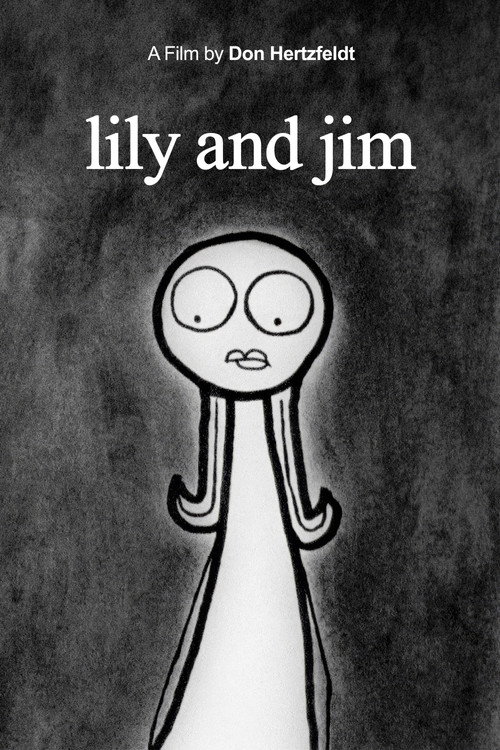
In this clever and over-the-top satire of romantic rituals, a cartoon pickup artist is violently torn apart by the women he courts. Don Hertzfeldt's first student film, he plays the part of a mentally unwell animator who's losing his grip within his own movie; an idea he'd later revisit in other early "meta" shorts "Genre" and "Rejected". Despite being produced at the age of 18 and not intended for exhibition, HBO named it "The World's Funniest Cartoon" in 1998.
1996

2012
1997
2015
2003
1991
1991
1990
No reviews yet. Be the first to share your thoughts on this movie!
Use the rating form above to leave a star rating and optional review.