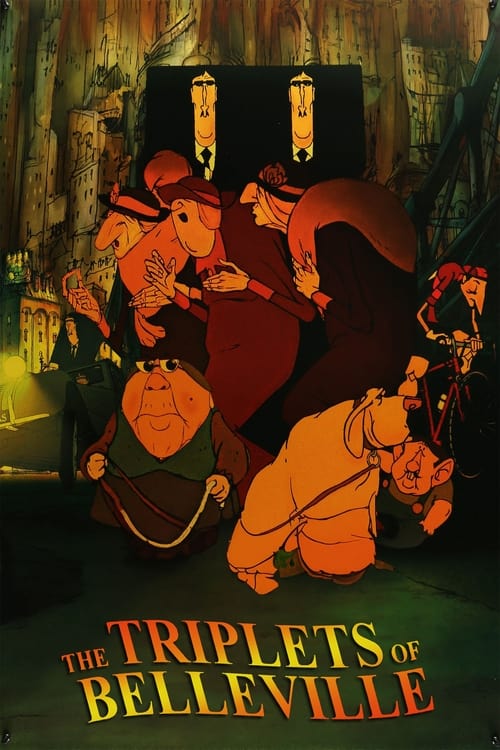
The Triplets of Belleville
2003
No user ratings available yet
Diversity score: 5.8 out of 10
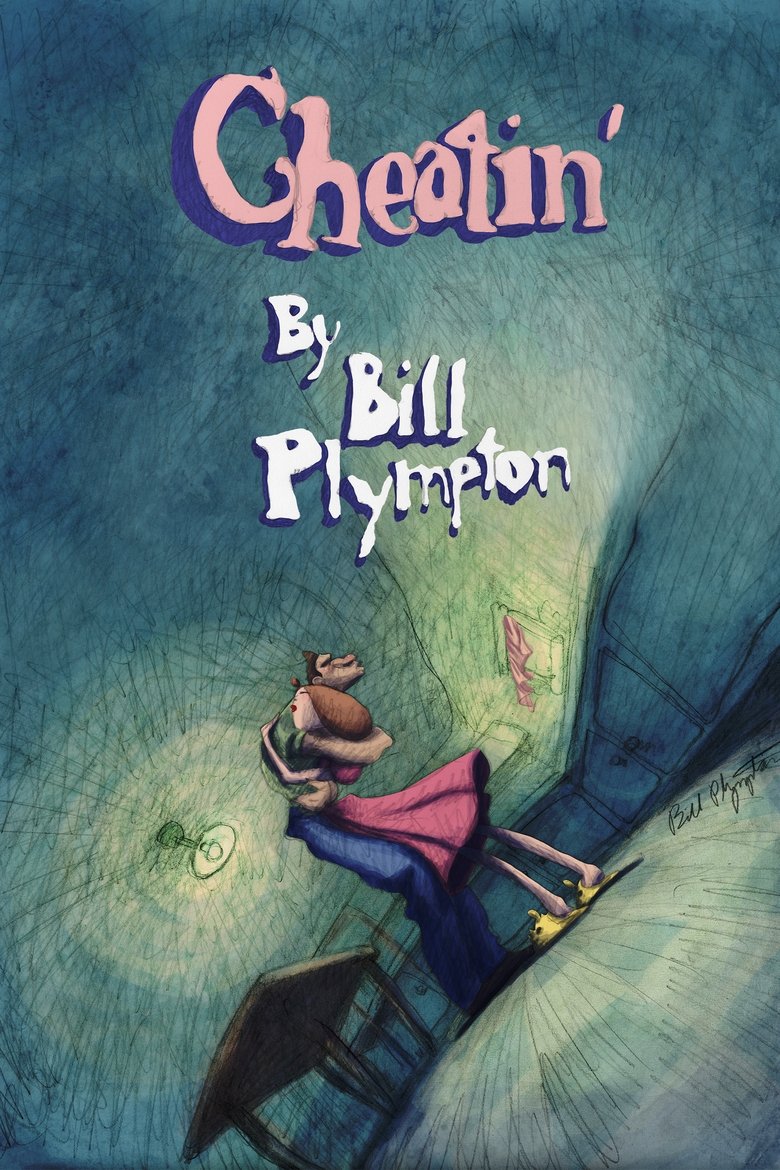
2014
TV-MADirector
Bill Plympton
Runtime
76 minutes
Average Rating
No ratings yetSynopsis
In a fateful bumper car collision, Jake and Ella meet and become the most loving couple in the long history of romance. But when a scheming "other" woman drives a wedge of jealousy into their perfect courtship, insecurity and hatred spell out an untimely fate. With only the help of a disgraced magician and his forbidden "soul machine", Ella takes the form of Jake's numerous lovers, desperately fighting through the malfunction and deceit as they try to reclaim their destiny.
Overall Score
Fair
Category Breakdown
LGBTQ+ Representation
The story centers on a traditional romantic pairing between Jake and Ella. While the soul machine allows for physical metamorphosis, this serves as a surrealist exploration of identity rather than a focused depiction of non-cisnormative identities.
Gender Representation
Ella serves as the narrative's active driver rather than a passive victim. The film explores the instability of the female form and the psychological toll of romantic insecurity through a fluid portrayal of gendered experience.
Racial & Ethnic Diversity
The narrative focuses on psychological and metaphysical struggles rather than explicit ethnic representation. The characters appear to function as universalized, surrealist archetypes rather than specific racial or ethnic identities.
Religious & Cultural Diversity
The film subverts traditional romantic ideals and social institutions like monogamy. By using a disgraced magician and a forbidden machine, it prioritizes moral relativism over conventional courtship structures.
Disability Representation
There is no explicit depiction of characters navigating disabilities. The soul machine's malfunctions and the characters' psychological instability act as surrealist metaphors rather than grounded representations of disability agency.
Strengths
Areas for Improvement
AI Analysis
Bill Plympton’s animation prioritizes psychological surrealism and the deconstruction of romantic stability over demographic breadth. The film succeeds in subverting gender hierarchies by granting the female protagonist significant agency in a transformative plot. However, the work lacks depth in racial and LGBTQ+ representation, focusing instead on universalized archetypes. The narrative's strength lies in its ability to challenge romantic tropes through a non-traditional, metamorphic lens. Ultimately, the film is a study of human attachment and identity instability. It trades explicit social representation for a stylized exploration of jealousy and the fragility of the human form.
2003

2017
1991
2011
2012
No reviews yet. Be the first to share your thoughts on this movie!
Use the rating form above to leave a star rating and optional review.