Ah, l'Amour
1995
No user ratings available yet
Representation score: 7.4 out of 10
Representation Score
Excellent
2003
UnratedDirector
Don Hertzfeldt
Runtime
8 minutes
Average Rating
No ratings yetNew Showbiz Analysis
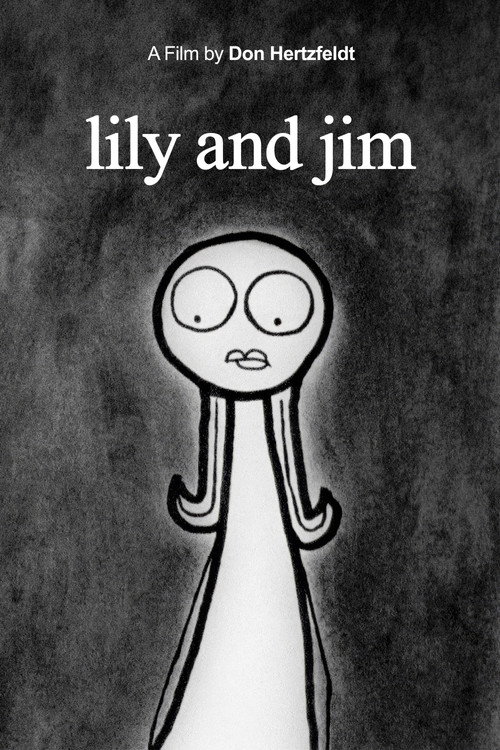
Don Hertzfeldt’s trilogy offers a progressive cinematic experience by intentionally rejecting conventional social and structural norms. Through minimalist abstraction, the work deconstructs traditional narrative clichés and avoids mainstream character archetypes. While the films lack explicit demographic markers or diverse representation, they achieve diversity by subverting gendered roles and avoiding racial stereotypes. The focus remains on the human condition rather than social hierarchies. Ultimately, the work succeeds by embracing moral relativism and existentialism. It provides a nuanced depiction of internal psychological states, making it a significant departure from traditional media hierarchies.
Category Breakdown
The minimalist stick-figure aesthetic avoids reinforcing assumptions about sexual orientation. While it doesn't show same-sex intimacy, it focuses on universal themes rather than specific orientations.
Gendered power dynamics are minimized by focusing on individual consciousness rather than social roles. Stylized designs avoid traditional gender hierarchies, emphasizing personal awareness over societal roles.
Characters lack specific racial or ethnic identifiers due to the surreal animation style. This abstraction avoids racial stereotypes and operates in a space where identity is less important.
The work emphasizes existential and postmodern values over specific religious frameworks. It questions the stability of Western institutions by highlighting the absurdity of existence.
The films explore experiences similar to neurodivergence through portrayals of sensory overload and non-linear perception. Characters navigate overwhelming environments reflecting internal states without using disability as a plot device.
Present on Screen
Limited or Absent
Official Synopsis
A "trilogy" of surreal and funny cartoons, produced exclusively to book-end the first year of The Animation Show's travelling theatrical tour.
1995

2012
1996
2003
1997

1998
1991
1990
No reviews yet. Be the first to share your thoughts on this movie!
Use the rating form above to leave a star rating and optional review.