Horn Dog
2009
No user ratings available yet
Representation score: 4.3 out of 10
Representation Score
Minimal
2004
RDirector
Bill Plympton
Runtime
5 minutes
Average Rating
No ratings yetNew Showbiz Analysis
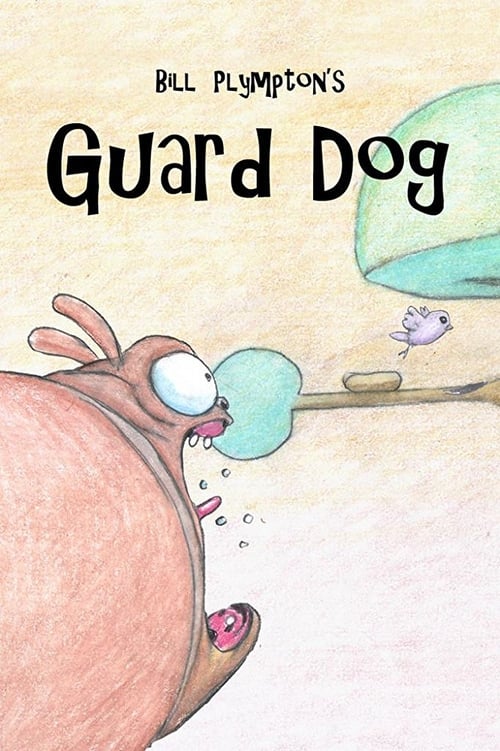
Bill Plympton’s *Guard Dog* is a surrealist animated short that prioritizes psychological abstraction over social realism. Because the film operates within a non-human, stylized framework, it lacks traditional character archetypes necessary for engaging with standard demographic metrics. The work functions as an existential character study rather than a narrative driven by social dynamics. It focuses on the absurdity of instinct and the deconstruction of duty, avoiding identity politics in favor of postmodern themes. Ultimately, the film's intent is directed toward exploring individual anxiety without attempting to subvert human social or political hierarchies through representation.
Category Breakdown
The film features a non-human protagonist in a surreal setting. There is no exploration of gender identity or same-sex intimacy.
The narrative centers on the internal psychological state of a canine subject. It does not depict gendered power dynamics or traditional masculinity.
The setting is an abstract, minimalist environment without human ethnic or racial markers. The subject matter is strictly zoomorphic and existential.
The film subtly critiques rigid, systemic roles through a lens of absurdity. However, it does not explicitly engage with specific institutional critiques.
The protagonist exhibits hyper-vigilance and irrational fear. These are presented as surreal character traits rather than a meaningful portrayal of disability.
Present on Screen
Limited or Absent
Official Synopsis
Why do dogs bark at such innocent creatures as pigeons and squirrels... what are they afraid of? This film answers that eternal question.
2009
2002
1991
1995

2014
1944
1948
1939
No reviews yet. Be the first to share your thoughts on this movie!
Use the rating form above to leave a star rating and optional review.