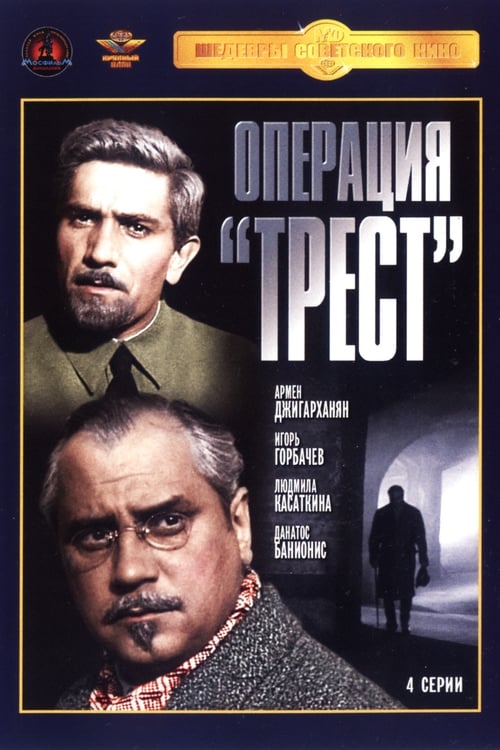
Operation 'Trust'
1968
No user ratings available yet
Representation score: 5.4 out of 10
Representation Score
Minimal
1966
Director
Damir Vyatich-Berezhnykh
Runtime
0 minutes
Average Rating
No ratings yetNew Showbiz Analysis
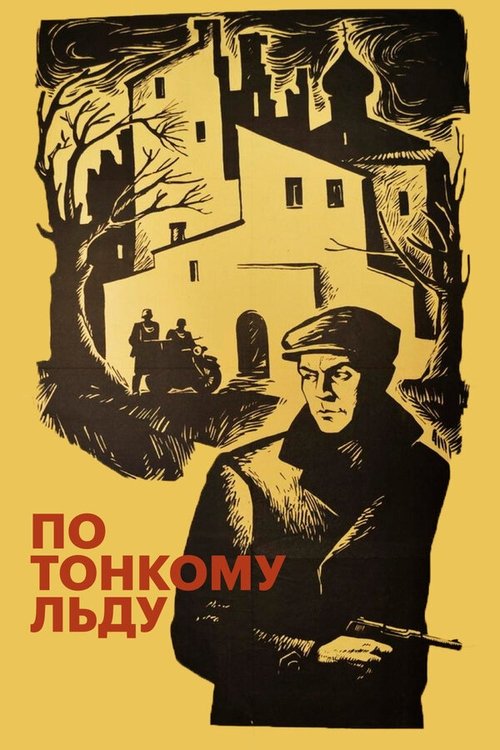
On Thin Ice is a traditional wartime thriller that upholds established institutional hierarchies. The narrative structure emphasizes state preservation and systemic order through the eyes of KGB agents. Since the film centers on national security and collective responsibility, it avoids modern social deconstruction. The storytelling relies on mid-century Soviet frameworks that prioritize state legitimacy over diverse social identities or social subversion. Ultimately, the film serves to promote patriotism, limiting the exploration of diverse social perspectives or non-traditional character identities.
Category Breakdown
The film does not include any characters or stories related to LGBTQ+ individuals, sticking closely to the social norms of its 1966 Soviet setting.
The story focuses on male KGB agents in important intelligence roles. Women are not shown in positions of significant intellect or leadership.
The cast likely reflects a homogeneous ethnic makeup typical of the Soviet era. The emphasis on foreign spies suggests a traditional 'us versus them' perspective.
The film highlights patriotism and the defense of national institutions. It upholds state-sanctioned morality and collective security without delving into individual or anti-establishment cultural themes.
There is no indication of characters with physical or neurodivergent disabilities in the narrative.
Present on Screen
Limited or Absent
Official Synopsis
Two KGB agents are fighting against foreign spies before and during WWII.
1968
1969

2012

1968
1972
1970

1967

1960
No reviews yet. Be the first to share your thoughts on this movie!
Use the rating form above to leave a star rating and optional review.