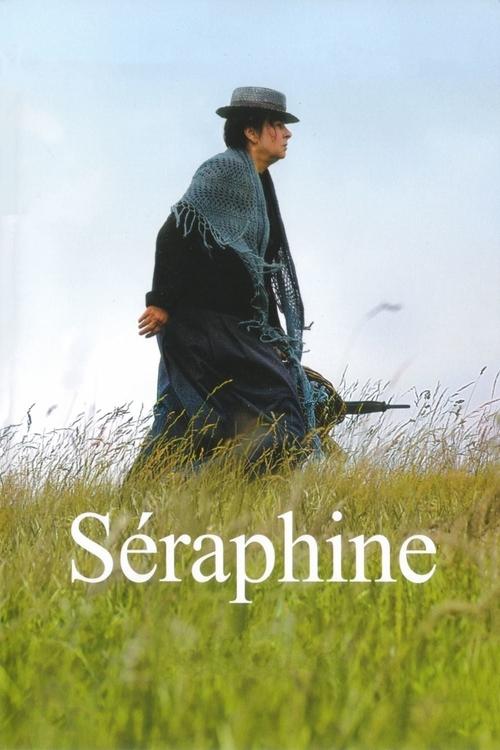
Séraphine
2008
No user ratings available yet
Representation score: 8.3 out of 10
Representation Score
Good
2017
Director
Barbara Albert
Runtime
97 minutes
Average Rating
No ratings yetNew Showbiz Analysis
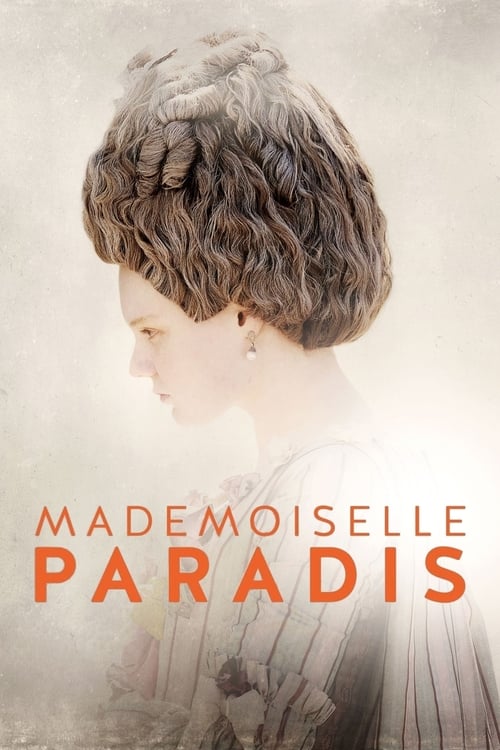
Mademoiselle Paradis offers a nuanced character study that prioritizes individual experience over spectacle. It provides a sophisticated portrayal of disability, moving beyond simple clichés to explore the intersection of sensory differences and artistic talent. However, the film is limited by its historical setting, resulting in low racial and ethnic diversity. The lack of LGBTQ+ representation also prevents the overall score from reaching a higher tier. Ultimately, the film's strength lies in its subversion of gendered expectations and its thoughtful approach to the protagonist's physical and intellectual autonomy.
Category Breakdown
The film does not explicitly depict LGBTQ+ identities or relationships that go beyond the assumption that everyone is straight. The story focuses on the relationship between Maria Theresia von Paradis and Dr. Mesmer.
The story challenges traditional gender roles by centering a female protagonist whose musical mastery drives the plot. It explores the tension between female empowerment and the medical authority of the time.
Set in 18th-century Vienna, the film reflects the historical demographic constraints of the period. The narrative features a predominantly white cast consistent with its localized European setting.
The film highlights the tension between established medical practices and innovative techniques. It questions the idea that scientific progress is always positive by showing the personal costs of a medical miracle.
Visual impairment is treated as a central part of the protagonist's identity rather than a mere plot device. The film explores the complex trade-offs between medical intervention and sensory experience.
Present on Screen
Limited or Absent
Official Synopsis
18th century Vienna. Maria Theresia von Paradis, a gifted piano player and close friend of Mozart's, lost her eye-sight as a child. Desperate to cure their talented daughter, the Paradis entrust Maria to Dr. Mesmer, a forward-thinking-physician who gives her the care and attention that she requires. With the doctor's innovative techniques of magnetism, Maria slowly recovers her sight. But this miracle comes at a price as the woman progressively starts to lose her gift for music.
2008
1994

2024
1994
2024
1998

2019
1962
No reviews yet. Be the first to share your thoughts on this movie!
Use the rating form above to leave a star rating and optional review.