BloodRayne
2006
No user ratings available yet
Representation score: 5.1 out of 10
Representation Score
Fair
2004
RDirector
David S. Goyer
Runtime
113 minutes
Average Rating
No ratings yetNew Showbiz Analysis
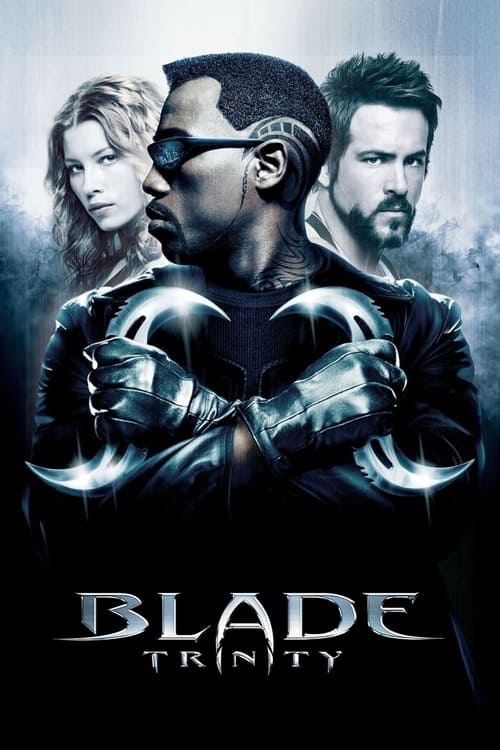
Blade: Trinity is a genre-driven action film that relies on established cinematic formulas. Its most notable contribution is casting an African American actor as the lead hero, challenging the genre’s traditional homogeneity. While the film offers a powerful, actively leading protagonist of color, it lacks depth in exploring multiple aspects of identity. The story focuses on physical conflict and the predator-versus-protector theme without addressing social or cultural hierarchies. Ultimately, the film misses opportunities to explore queer identities, systemic critiques, or disabilities, maintaining a traditional approach to the supernatural action genre.
Category Breakdown
The film follows a traditional framework that assumes everyone is straight or cisgender. There are no clear depictions of same-sex relationships or queer-coded subtext in the story.
Abigail is shown as a strong and capable fighter rather than a submissive stereotype. However, the story mainly centers on masculine violence and leadership.
The film breaks genre conventions by making Wesley Snipes the main character. His identity as a dhampir symbolizes living on the fringes of society.
The story sticks to typical survival and conflict themes. It doesn't delve into complex moral questions or critique Western institutions and religious systems.
The film does not significantly engage with visible or invisible disabilities. Characters are defined by their combat skills and family lines rather than physical or neurological differences.
Present on Screen
Limited or Absent
Official Synopsis
For years, Blade has fought against the vampires in the cover of the night. But now, after falling into the crosshairs of the FBI, he is forced out into the daylight, where he is driven to join forces with a clan of human vampire hunters he never knew existed—The Nightstalkers. Together with Abigail and Hannibal, two deftly trained Nightstalkers, Blade follows a trail of blood to the ancient creature that is also hunting him—the original vampire, Dracula.
2006
2007
2012
2005
1998
2000
1998
1990
No reviews yet. Be the first to share your thoughts on this movie!
Use the rating form above to leave a star rating and optional review.