Lehmanns Erzählungen
1975
No user ratings available yet
Representation score: 4.6 out of 10

Representation Score
Minimal
1970
Director
Rolf Olsen
Runtime
90 minutes
Average Rating
No ratings yetNew Showbiz Analysis
Der Pfarrer von St. Pauli is a traditional social drama that reflects the demographic and social norms of 1970s Germany. The narrative relies heavily on established hierarchies, focusing on a male protagonist who serves as a protector within a religious institution. The film lacks complexity in representing multiple aspects of identity, focusing instead on a conventional story of redemption. Character dynamics are largely paternalistic, with women positioned as subjects needing guidance rather than independent drivers of the plot. Ultimately, the work adheres to the homogeneous social norms of its era, offering limited racial, gender, or LGBTQ+ diversity.
Category Breakdown
The film does not include any representation of LGBTQ+ identities or non-cisgender characters. It centers on a male protagonist within a religious framework, reflecting traditional heterosexual norms.
Women play central roles in the story but are portrayed as recipients of male assistance rather than as independent actors. The power dynamics follow a paternalistic model where men serve as protectors.
The setting suggests a homogeneous society with no indication of a non-white majority cast or diverse ethnic representation.
The story uses a religious framework to emphasize a narrative of redemption and moral stability, reinforcing traditional social structures.
It is unclear whether the film includes representations of neurodivergence or physical disabilities. The concept of suffering is present but not clearly linked to specific disability representation.
Present on Screen
Limited or Absent
Official Synopsis
A former U-boat commander becomes a pastor to ease the suffering of young Hamburg women in trouble.
1975

1963
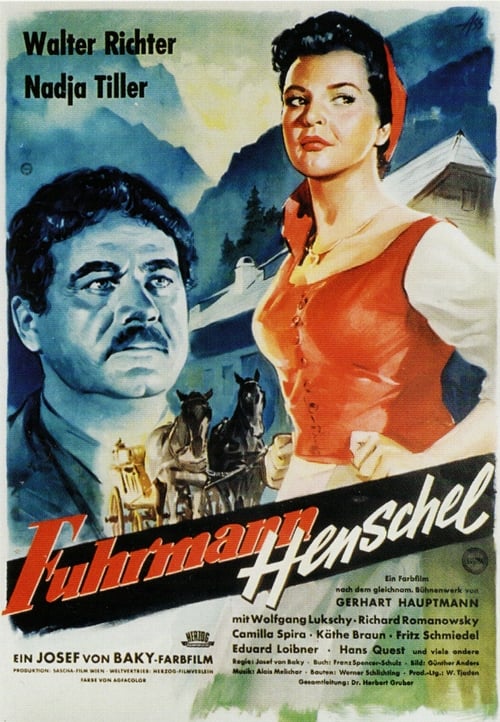
1956

1956
1960

1958

1988
1983
No reviews yet. Be the first to share your thoughts on this movie!
Use the rating form above to leave a star rating and optional review.