Night Friend
1988
No user ratings available yet
Representation score: 2.1 out of 10
Representation Score
Minimal
1958
Director
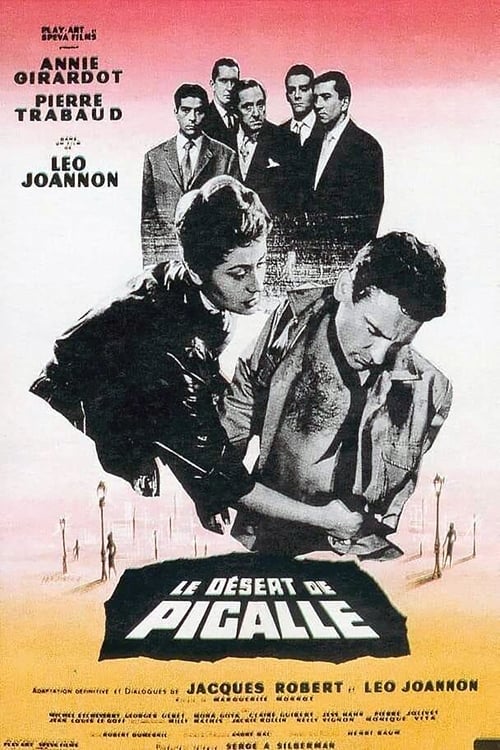
Léo Joannon
Runtime
100 minutes
Average Rating
No ratings yetNew Showbiz Analysis
The film operates as a conventional mid-century drama, strictly adhering to the social and religious hierarchies of its time. It prioritizes a traditional moral framework over any attempts to subvert systemic norms. Representation is limited by the period's focus on a homogeneous European cast and a male-centric moral perspective. Women are positioned as subjects in need of guidance rather than autonomous drivers of the plot. Ultimately, the work functions as a reinforcement of established institutional authority, offering little in the way of modern social or identity-based diversity.
Category Breakdown
The film does not include explicit representations of LGBTQ+ identities or same-sex relationships. It follows the traditional social and religious norms of 1958 France.
The story focuses on a male priest who exerts moral influence over women. Female characters are defined by the male gaze and his judgment rather than having independent ability to act.
The setting reflects a homogeneous European population typical of post-war Paris. There is no indication of a diverse ethnic ensemble or race-bent casting.
The film explores morality through a traditional religious lens. It reinforces clerical authority and conventional social structures without challenging Western institutions.
There is no evidence of the portrayal of physical or neurodivergent disabilities within the narrative.
Present on Screen
Limited or Absent
Official Synopsis
A young priest works as a barman in a Pigalle cafe in Paris. He tries to prevent the women there to prostitute themselves....
1988
1961
1951
1979

1986
1991

2014

1965
No reviews yet. Be the first to share your thoughts on this movie!
Use the rating form above to leave a star rating and optional review.