
Goodbye to Language
2014
No user ratings available yet
Diversity score: 5.6 out of 10
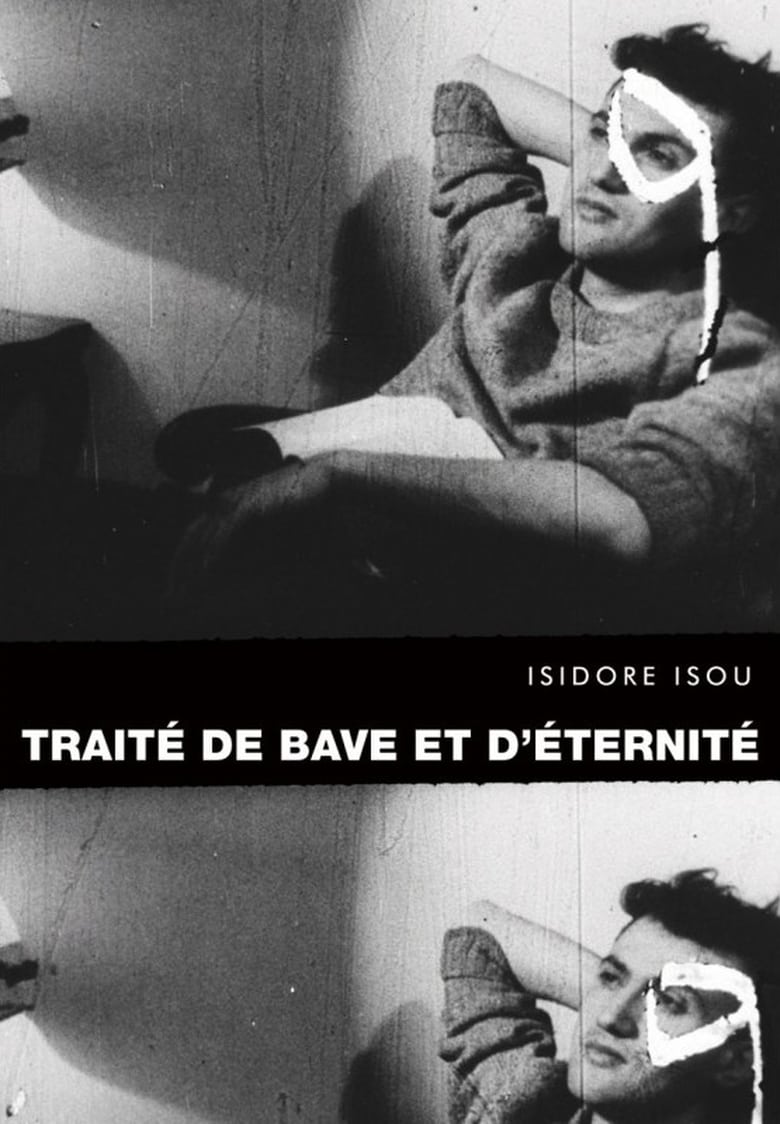
1951
Director
Isidore Isou
Runtime
123 minutes
Average Rating
No ratings yetSynopsis
In this experimental film, Isidore Isou, the leader of the lettrist movement, lashes out at conventional cinema and offers a revolutionary form of movie-making: through scratching and bleaching the film, through desynchronizing the soundtrack and the visual track, through deconstructing the story, he aims to renew the seventh art the same way he tried to revolutionize the literary world.
Overall Score
Fair
Category Breakdown
LGBTQ+ Representation
The film focuses on formalist rebellion rather than identity-based character arcs. There is no evidence of specific depictions of non-cisnormative identities or same-sex intimacy.
Gender Representation
By deconstructing the story, the film avoids reinforcing traditional masculine leadership or submissive femininity. It subverts gender hierarchies by rejecting standard hero and heroine archetypes.
Racial & Ethnic Diversity
The cinematic focus remains on the medium and sensory experience. There is no clear evidence of either racial homogeneity or intentional intersectional casting.
Religious & Cultural Diversity
The work functions as an anti-institutional critique of the film industry. It promotes aesthetic anarchy that challenges the sanctity of Western cinematic tradition.
Disability Representation
Sensory-disruptive techniques like desynchronized sound challenge neurotypical modes of consumption. The film disrupts conventional perceptions of normalcy through its refusal of sensory coherence.
Strengths
Areas for Improvement
AI Analysis
Isidore Isou’s experimental work prioritizes the destruction of cinematic language over traditional character development. Its strength lies in its radical subversion of cultural and institutional norms through formalist techniques. However, the film lacks specific representation of identity-based groups. Because the focus is on the medium itself, there is little evidence regarding racial, gendered, or LGBTQ+ character arcs. Ultimately, the film is a structural critique of Western storytelling rather than a study of human diversity.
2014
1973
1966
1958
2012
1969
1965
1976
1923

1961
1952

1954
No reviews yet. Be the first to share your thoughts on this movie!
Use the rating form above to leave a star rating and optional review.