Howlings in Favour of De Sade
1952
No user ratings available yet
Diversity score: 3.8 out of 10
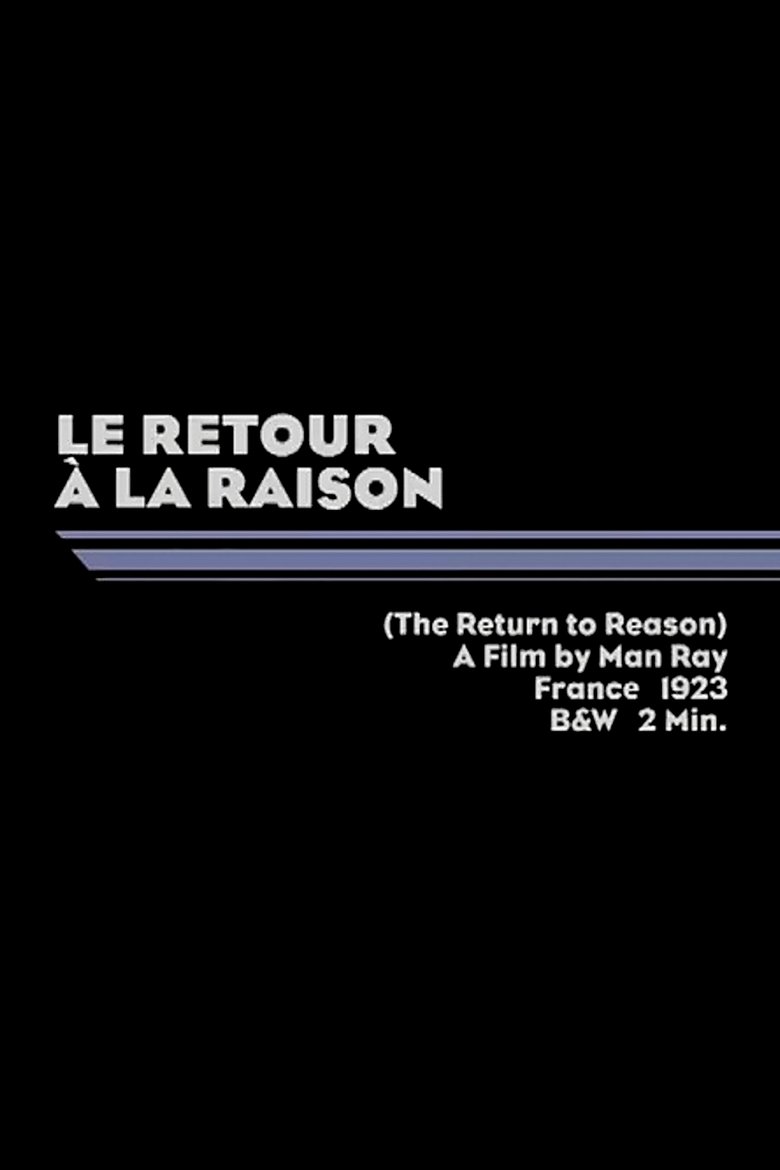
1923
Director
Man Ray
Runtime
3 minutes
Average Rating
No ratings yetSynopsis
Experimental film, white specks and shapes gyrating over a black background, the light-striped torso of Kiki of Montparnasse (Alice Prin), a gyrating eggcrate. One of the first Dadaist films.
Overall Score
Limited
Category Breakdown
LGBTQ+ Representation
The film lacks explicit queer romance or identity narratives. However, the presence of Kiki of Montparnasse introduces a non-traditional gaze that disrupts heteronormative romantic tropes.
Gender Representation
Man Ray subverts gender hierarchies by deconstructing the female form through abstraction. The subject is treated as a kinetic, geometric element rather than a passive object of domesticity.
Racial & Ethnic Diversity
There is no evidence of racial or ethnic diversity within the frame. The work focuses on abstract shapes and a singular, non-diverse subject.
Religious & Cultural Diversity
The film serves as a critique of Western rationalism and Enlightenment values. Its Dadaist absurdity rejects the capitalist and social orders of the early 20th century.
Disability Representation
As an experimental work of light and shapes, there are no characters or depictions related to disability.
Strengths
Areas for Improvement
AI Analysis
Return to Reason is a radical Dadaist experiment that prioritizes surrealist form over traditional storytelling. It succeeds in dismantling conventional cinematic structures and challenging the 'male gaze' through the abstraction of the female body. However, the film's impact is limited by a lack of demographic breadth. The absence of racial or ethnic diversity and the lack of explicit LGBTQ+ narratives result in a lower overall score despite its intellectual depth. Ultimately, the work functions as a powerful critique of Western logic and social hierarchies, even if it remains narrow in its human representation.
1952

1929

1926

1997
1958

2014

1951
1926
1977
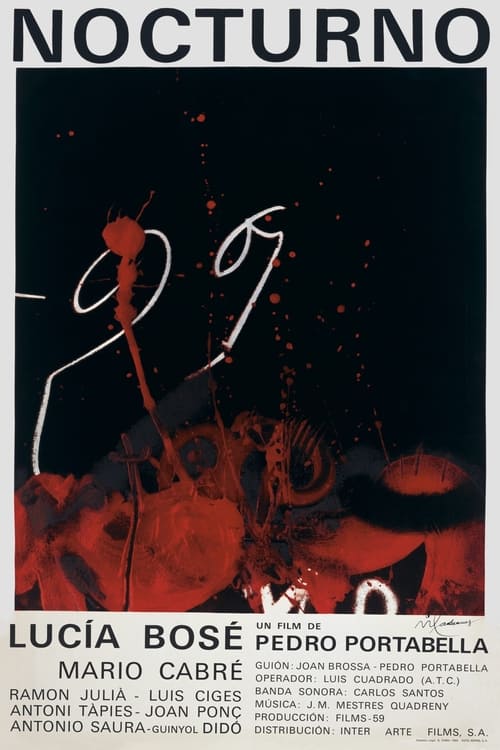
1969
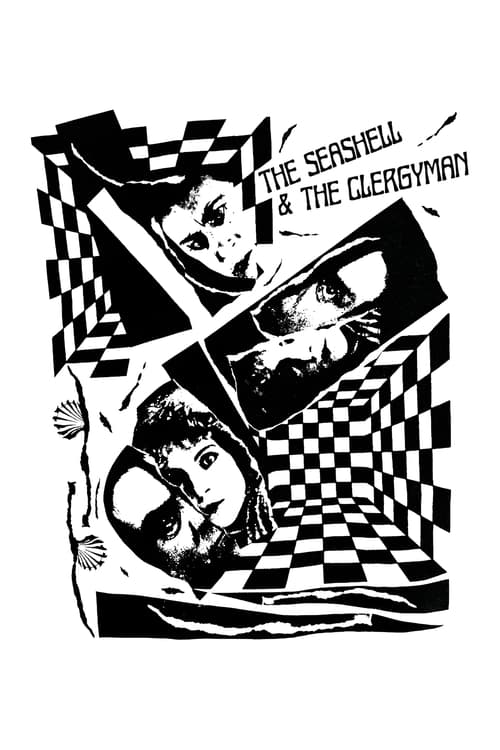
1928
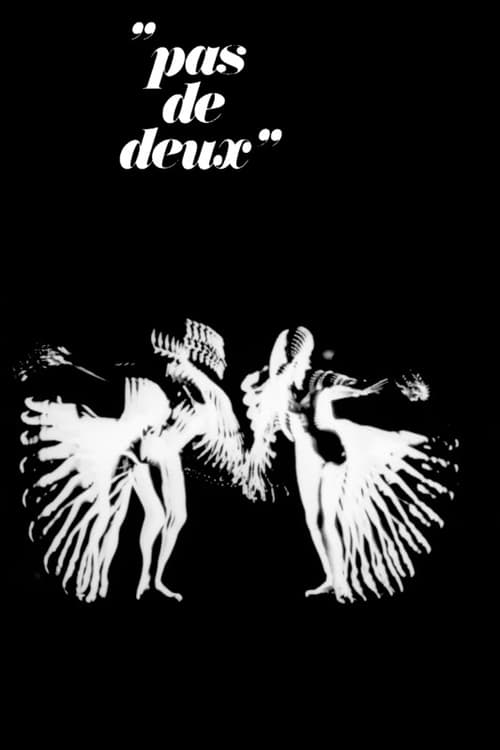
1968
No reviews yet. Be the first to share your thoughts on this movie!
Use the rating form above to leave a star rating and optional review.