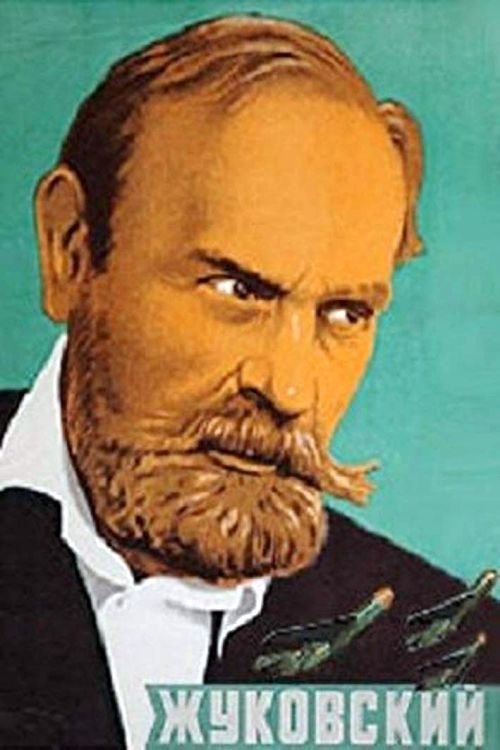
Zhukovsky
1950
No user ratings available yet
Diversity score: 4.8 out of 10

1965
Director
Sofiya Milkina, Mikhail Shveitser
Runtime
154 minutes
Average Rating
No ratings yetSynopsis
The film is set in the 1930s in the USSR. The film tells about one day of the construction of the Magnitogorsk Iron and Steel Works. The heroes of the film are simple construction workers who are burning at work. Upon learning that their colleagues in Kharkov have set a record, they mobilize to break it. The entire construction site was engulfed in immense socialist competition. The teams are ready to complete the work on time at any cost. A Moscow journalist who has come to cover the scale of the great construction project is looking for the hero of his report...
Overall Score
Fair
Category Breakdown
LGBTQ+ Representation
The film lacks any evidence of LGBTQ+ characters or non-heteronormative narratives. The focus remains strictly on industrial labor and socialist competition.
Gender Representation
The narrative centers on a masculine-dominated industrial environment. While women are part of the workforce, the primary agency is driven by heroic male-coded mobilization.
Racial & Ethnic Diversity
The film likely presents a homogeneous depiction of the industrial proletariat. It prioritizes a cohesive, idealized Soviet identity typical of the era's aesthetic.
Religious & Cultural Diversity
The story is built on anti-capitalist frameworks. It prioritizes collective strength and state-oriented progress over Western models of individual achievement.
Disability Representation
There is no evidence of characters with disabilities being portrayed with agency. The film emphasizes the physical perfection of the heroic worker.
Strengths
Areas for Improvement
AI Analysis
Time, Forward! is a period drama deeply rooted in the traditions of Socialist Realism. It prioritizes collective industrial achievement and state-aligned progress over individualistic narratives. The film functions as a study of communal struggle during the construction of the Magnitogorsk Iron and Steel Works. While the film excels in presenting a strong cultural critique of Western capitalist models, it lacks intersectional depth. It adheres to the rigid social structures of the 1930s USSR, focusing on a standardized, idealized version of the proletariat. Ultimately, the work is a specialized historical portrait. It succeeds in its specific ideological mission but offers little representation for marginalized identities or non-normative social structures.
1950

1957

1981
1992
1976
1958
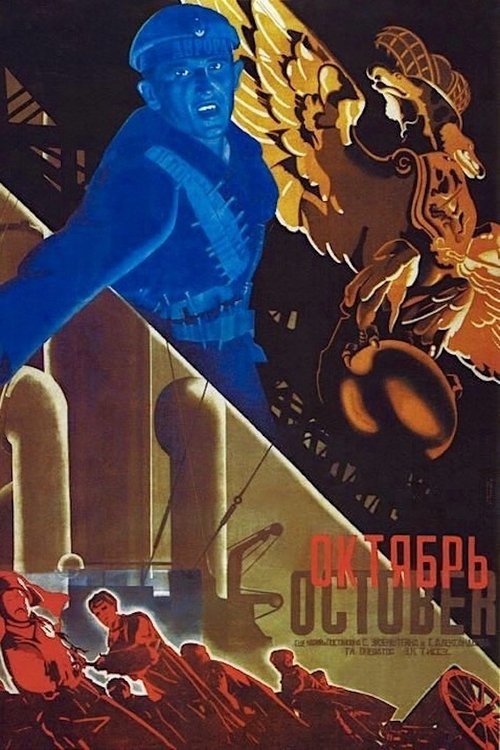
1928
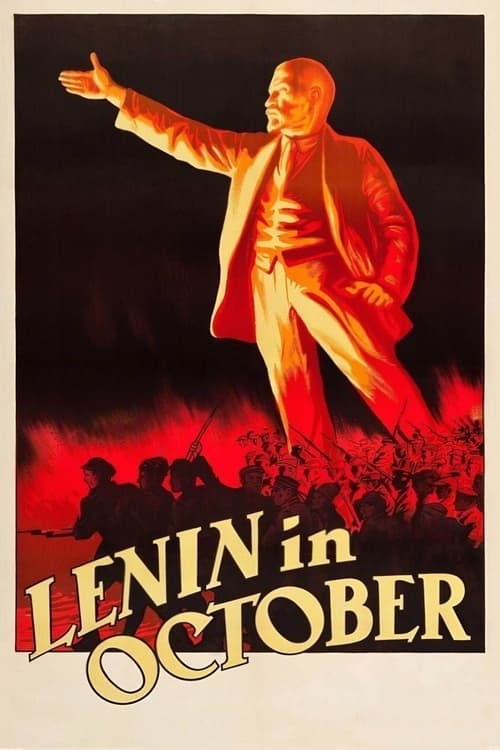
1937
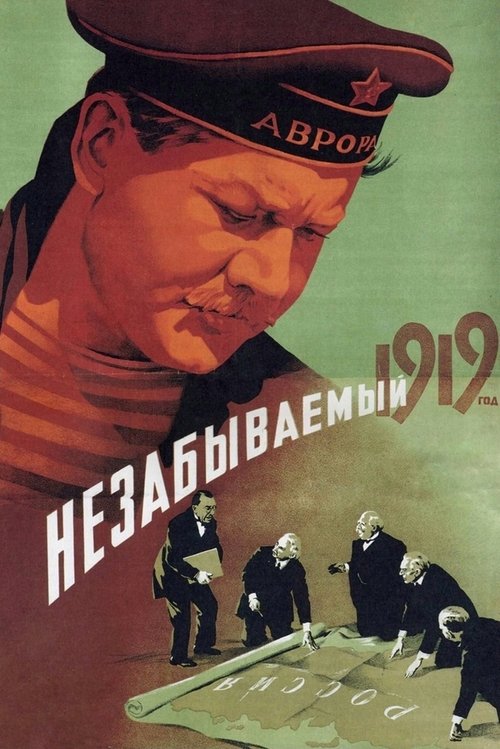
1951

1975
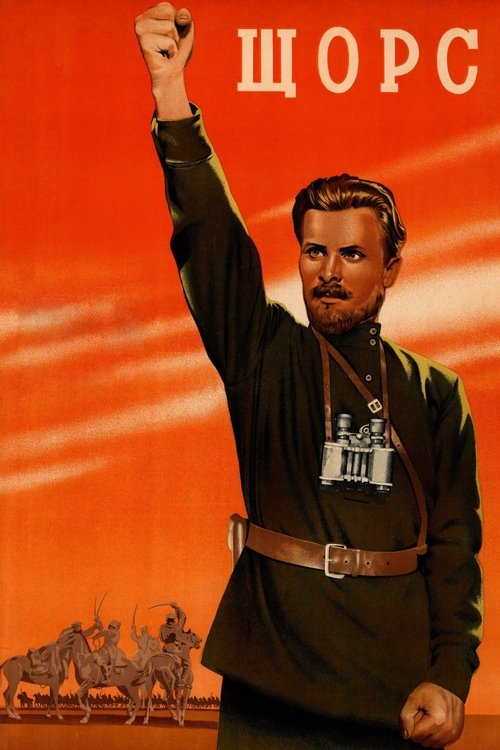
1939
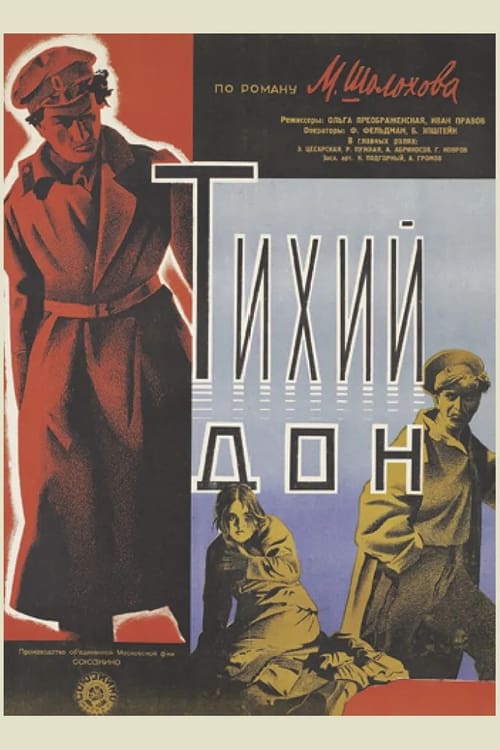
1931
No reviews yet. Be the first to share your thoughts on this movie!
Use the rating form above to leave a star rating and optional review.