CBGB
2013
No user ratings available yet
Representation score: 7.7 out of 10
Representation Score
Good
2002
RDirector
Michael Winterbottom
Runtime
117 minutes
Average Rating
No ratings yetNew Showbiz Analysis
Michael Winterbottom’s film is a sophisticated postmodern piece that disrupts traditional biographical clichés. It uses a fragmented structure to offer an empathetic portrayal of counter-cultural rebellion. While the film lacks multi-layered depth in gender and race, its high cultural score elevates its impact. It successfully deconstructs capitalist and state authority through its depiction of the Manchester music scene. Ultimately, the work functions as a critique of institutional power, even if it remains tethered to the specific demographics of its historical setting.
Category Breakdown
The film captures the fluid social landscape of late 70s and 80s nightlife. Queer identities are shown as a natural part of club culture, avoiding erasure.
The story focuses on male-driven power dynamics in the music industry. Women are present but often play reactive roles rather than leadership positions.
The film depicts a predominantly white, working-class demographic typical of post-industrial Manchester. Subcultural textures are captured without prioritizing non-Anglo-Saxon identities.
The narrative critiques traditional Western institutions and capitalist structures. It portrays the rise of Factory Records as a progressive rebellion against economic neglect.
The film does not focus on visible or invisible disabilities. It prioritizes socio-political and musical movements over individual explorations of neurodivergence or physical disability.
Present on Screen
Limited or Absent
Official Synopsis
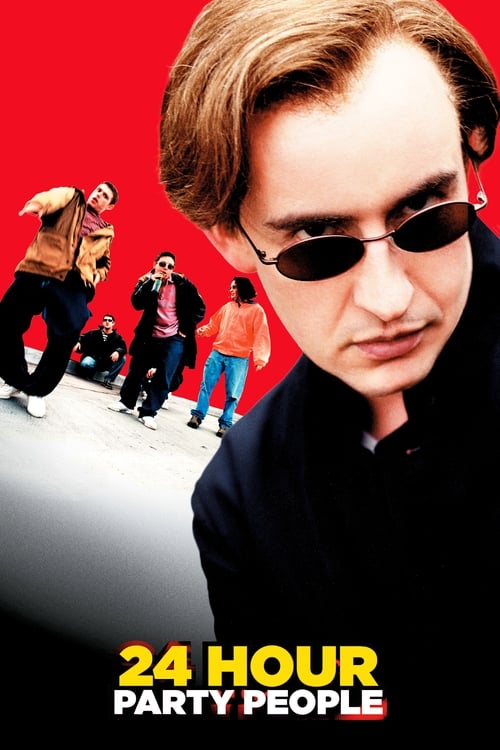
Manchester, 1976. Tony Wilson is an ambitious but frustrated local TV news reporter looking for a way to make his mark. After witnessing a life-changing concert by a band known as the Sex Pistols, he persuades his station to televise one of their performances, and soon Manchester's punk groups are clamoring for him to manage them. Riding the wave of a musical revolution, Wilson and his friends create the legendary Factory Records label and The Hacienda club.
2013
2012
2009
1998
2001
1991
2019

2014
No reviews yet. Be the first to share your thoughts on this movie!
Use the rating form above to leave a star rating and optional review.