
Rock Star
2001
No user ratings available yet
Representation score: 1.0 out of 10
Representation Score
Fair
2007
RDirector
Jake Kasdan
Runtime
96 minutes
Average Rating
No ratings yetNew Showbiz Analysis
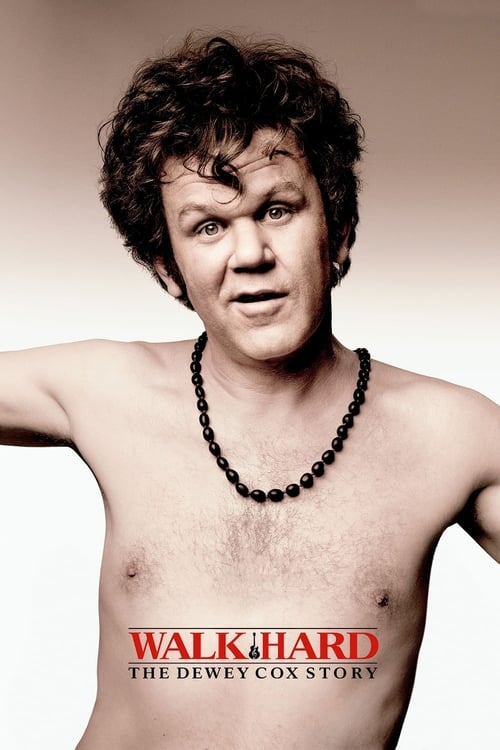
Walk Hard: The Dewey Cox Story functions as a postmodern satire that dismantles the traditional biopic. It succeeds most when critiquing the exploitative structures of the music industry and the myth of the 'tortured artist'. However, the film struggles with character's ability to drive the story, particularly regarding gender and disability. Women and characters dealing with psychological issues often serve as tools for the protagonist's development rather than fully realized individuals. While the film captures the musical breadth of American history, its representation of diverse groups often stays within the safe boundaries of genre parody rather than pushing for deeper social disruption.
Category Breakdown
The film primarily focuses on heterosexual relationships and marriages, with no significant queer identities or critiques of the assumption that everyone is straight or cisgender.
Women frequently play supporting roles, acting as catalysts for the protagonist's growth. Although the film pokes fun at the 'destructive wife' stereotype, it often limits the women's ability to drive the story.
The film showcases diverse performers reflecting the evolution of soul and R&B through musical parody. However, these roles often align with historical archetypes without offering deeper complexity related to multiple aspects of identity.
The narrative effectively deconstructs the music industry and the myth of the 'tortured artist' through a skeptical, satirical lens. It uses moral relativism to critique the traditional American success story.
Characters with disabilities are often portrayed through themes of addiction and rage, primarily as comedic plot devices. These characters lack independent ability to act and are rarely shown with nuanced depth.
Present on Screen
Limited or Absent
Official Synopsis
Following a childhood tragedy, Dewey Cox follows a long and winding road to music stardom. Dewey perseveres through changing musical styles, an addiction to nearly every drug known and bouts of uncontrollable rage.
2001
1979
2019
2015

2022
2004

2010

1988
No reviews yet. Be the first to share your thoughts on this movie!
Use the rating form above to leave a star rating and optional review.