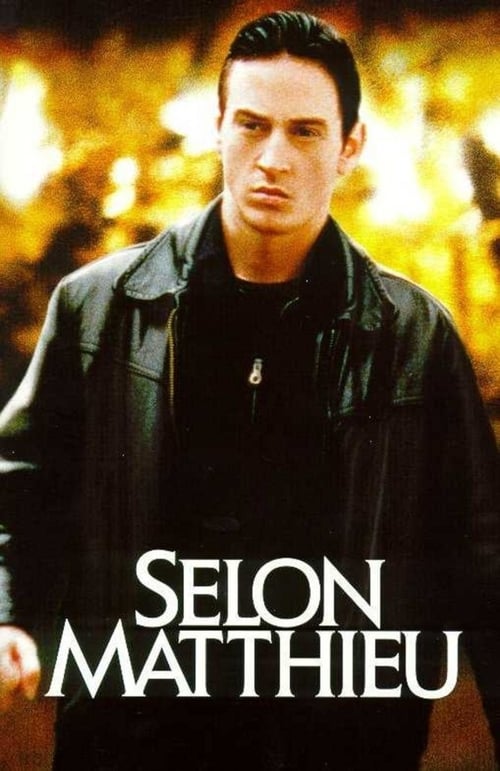
To Mathieu
2001
No user ratings available yet
Representation score: 3.7 out of 10

Representation Score
Good
2006
PG-13Director
Fabienne Godet
Runtime
90 minutes
Average Rating
No ratings yetNew Showbiz Analysis
Burnt Out serves primarily as a critique of modern societal structures rather than a study of diverse demographics. It lacks visible representation of LGBTQ+ identities or racial diversity, focusing instead on a homogeneous Western professional class. However, the film excels in its thematic depth by deconstructing traditional social roles. It challenges the stability of the patriarchal provider and the sanctity of the corporate hierarchy, framing these institutions as sources of trauma. Ultimately, the work prioritizes a sophisticated examination of how modern labor and family structures affect individuals over a broad representation of diverse groups.
Category Breakdown
The film focuses on a traditional family structure with a husband, wife, and son. There are no characters or stories that address LGBTQ+ identities or experiences.
The story challenges traditional masculine roles by showing how the 'provider' role can lead to psychological breakdown. It highlights the failure of the patriarchal model under intense capitalist pressures.
The narrative centers on a specific professional class within a Western context. The cast appears to be homogeneous, reflecting the traditional social structures of its setting.
The film critically examines Western institutional structures and corporate loyalty. It portrays the professional environment as dehumanizing and questions the traditional family unit as a source of tension.
Physical disabilities are not mentioned, but the film addresses mental health issues such as professional burnout and suicide. These psychological collapses are portrayed as systemic issues rather than individual problems.
Present on Screen
Limited or Absent
Official Synopsis
François Durrieux, a man in his forties, married to Clémence and father of Benjamin, has been employed for years by the firm DSBO. In order not to lose his job, he always submits to his boss's demands whether it means working after office hours, canceling planned holidays or harming his family life. However, when one night, Simon Lacaze, his best friend and colleague, commits suicide just after being fired ignominiously, François rebels...
2001
2015

2022

2008
2001

2004
2017

2005
No reviews yet. Be the first to share your thoughts on this movie!
Use the rating form above to leave a star rating and optional review.