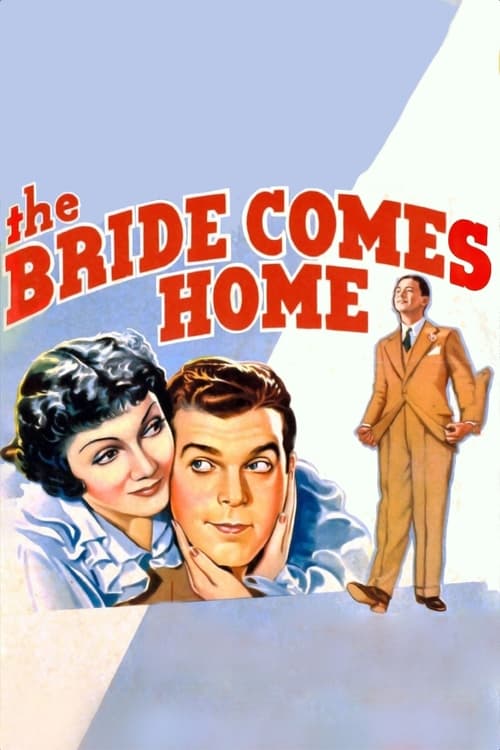
The Bride Comes Home
1935
No user ratings available yet
Representation score: 1.5 out of 10

Representation Score
Minimal
1935
ApprovedDirector
Edward H. Griffith
Runtime
82 minutes
Average Rating
No ratings yetNew Showbiz Analysis
This 1935 romantic comedy operates within the traditional studio system of its time. While it introduces a female protagonist with professional independence, the narrative structure prioritizes conventional romantic resolutions and male-driven plot points. The film lacks complexity in representing diverse identities and social backgrounds, presenting a racially monolithic and straight-centered world. Ultimately, the film explores the tension between female autonomy and social tradition without fully challenging the status quo.
Category Breakdown
The film adheres strictly to the conventions of the 1930s, which assume everyone is straight and cisgender. There is no evidence of same-sex relationships or characters who don't identify with their birth-assigned gender.
Marion Forsythe is portrayed as a free-spirited artist with significant influence over the story. However, the plot revolves around male figures and traditional romantic validation. The film highlights her independence but ties her actions closely to male characters.
The cast reflects the homogeneous society of 1930s urban America. There is no evidence of racial diversity or non-white lead characters.
The narrative emphasizes Western social structures and traditional values. It focuses on professional success and the maintenance of the established social order.
There are no visible or invisible disabilities among the characters. The cast operates within typical physical and cognitive abilities.
Present on Screen
Limited or Absent
Official Synopsis
Everyweek Newsmagazine editor Richard Kurt pursues famous free-spirited portrait artist Marion Forsythe on her return to the states from Europe, seeking to convince her to write her biography as a feature for his magazine. One of Marion's old beaus, now running for U.S. Senator from their home state, also comes calling.
1935
1934
1935
1938
1936

1937
1946

1928
No reviews yet. Be the first to share your thoughts on this movie!
Use the rating form above to leave a star rating and optional review.