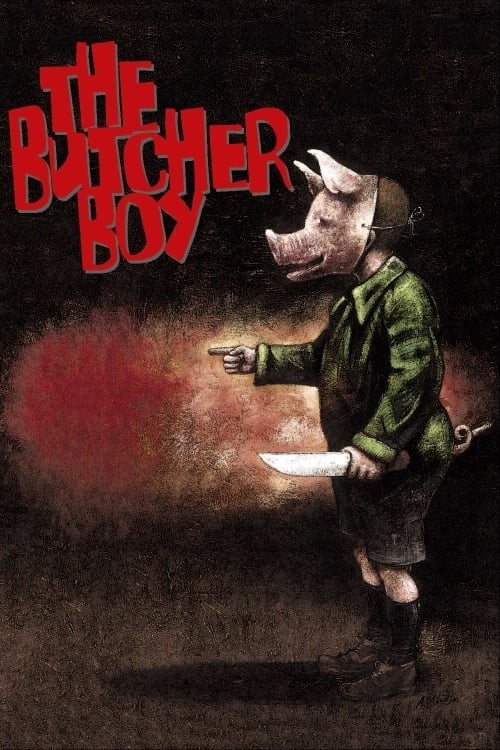
The Butcher Boy
1998
No user ratings available yet
Representation score: 6.2 out of 10

Representation Score
Fair
2004
PG-13Director
David Duchovny
Runtime
97 minutes
Average Rating
No ratings yetNew Showbiz Analysis
House of D is a character-driven coming-of-age story that emphasizes individual psychological complexity over broader social messages. While it offers a nuanced look at mental disability through the character of Pappass, the film remains largely traditional in its social outlook. The narrative is set in a homogeneous, white, upper-class New York environment. This focus limits the film's engagement with racial, ethnic, or diverse cultural perspectives, keeping the scope narrow and socially conventional. Ultimately, the film serves as a postmodern character study. It explores personal psychological issues and social status rather than attempting to disrupt systemic hierarchies or promote diverse representation.
Category Breakdown
The story centers on a typical teenage crush on a female peer. It doesn't show any significant LGBTQ+ characters or challenge traditional heterosexual relationships.
Female characters play important roles in New York's upper-class society. However, the film focuses on individual psychological issues rather than addressing broader gender power structures.
The setting and cast are predominantly white and upper-class, lacking racial or ethnic diversity. There is no blending of different racial or ethnic backgrounds.
The film uses a wealthy New York setting for comedic character studies. It doesn't critique capitalist systems or challenge traditional Western social norms.
Pappass adds emotional depth through his mental disability. The film avoids common stereotypes, presenting his condition as an integral part of his personality.
Present on Screen
Limited or Absent
Official Synopsis
In the present, artist Tom Warshaw recalls his traumatic coming of age. As a 13-year-old growing up in New York City in 1973, Tom hangs out with Pappass, a mentally disabled man. With Tom's mother battling depression after the death of her husband, the young boy is left to his own devices. When Tom develops a crush on schoolmate Melissa, Pappass feels abandoned and begins behaving erratically.
1998

1998
1996

2006

1997

1996

2010

1994
No reviews yet. Be the first to share your thoughts on this movie!
Use the rating form above to leave a star rating and optional review.