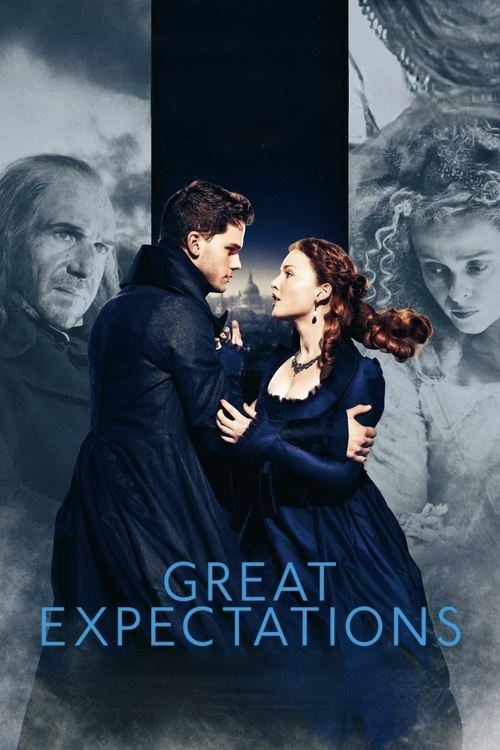
Great Expectations
2012
No user ratings available yet
Representation score: 3.3 out of 10
Representation Score
Fair
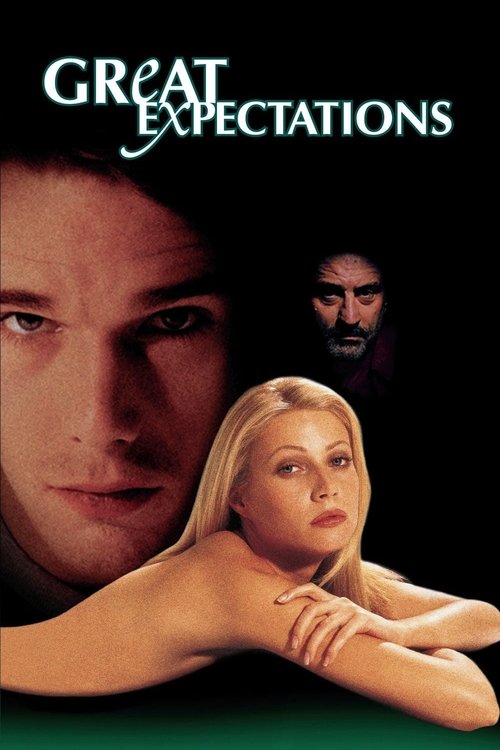
1998
RDirector
Alfonso Cuarón
Runtime
111 minutes
Average Rating
No ratings yetNew Showbiz Analysis
Alfonso Cuarón's adaptation repositions the classic story in a modern context, emphasizing class critique over identity politics. Moving the setting to 1960s New York introduces a more diverse social fabric, challenging the typical period drama format. The film excels in its portrayal of a racially and culturally diverse society. However, it maintains traditional gender roles and romantic clichés, focusing on the male protagonist's journey through interactions with women.
Category Breakdown
The film focuses on a traditional romantic relationship between two people. There are no representations of LGBTQ+ identities or non-binary gender expressions.
Gender roles follow traditional patterns. Estella has psychological depth but mainly influences Pip's growth rather than acting independently.
Setting the story in 1960s New York introduces a more ethnically diverse cast. Actors like Chiwetel Ejiofor bring a varied and rich social environment.
The story examines mid-century American social hierarchies. It highlights how wealth and social status can be performative rather than genuine.
There are no significant depictions of visible or invisible disabilities that affect the story's progression.
Present on Screen
Limited or Absent
Official Synopsis
Loosely based on the Charles Dickens' classic novel, "Great Expectations" is a sensual tale of a young man's unforgettable passage into manhood, and the three individuals who will undeniably change his life forever. Through the surprising interactions of these vivid characters, "Great Expectations" takes a unique and contemporary look at life's great coincidences.
2012
1946
1996
2006

2003

1990
2004
1996
No reviews yet. Be the first to share your thoughts on this movie!
Use the rating form above to leave a star rating and optional review.