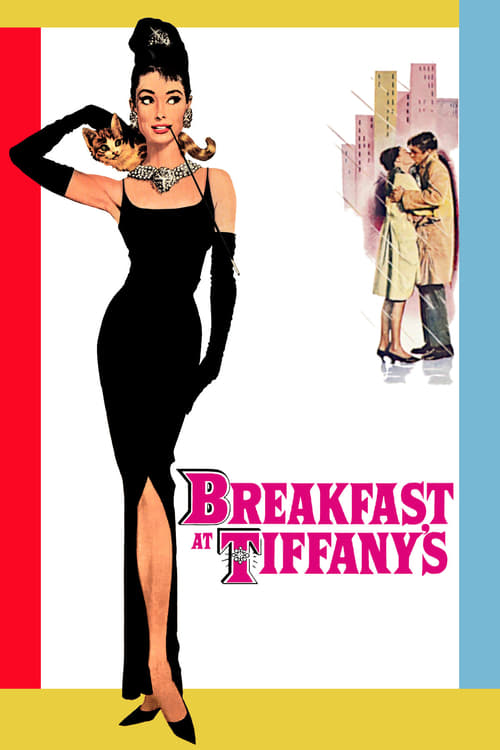
Breakfast at Tiffany's
1961
No user ratings available yet
Representation score: 3.5 out of 10

Representation Score
Limited
1968
GDirector
William Wyler
Runtime
155 minutes
Average Rating
No ratings yetNew Showbiz Analysis
Funny Girl balances traditional biographical storytelling with progressive character elements. It highlights ethnic identity and female empowerment while remaining tied to the social constraints of its era. The film's strength lies in presenting a female lead who commands economic and social power, avoiding submission. However, it lacks complexity regarding multiple identities and remains focused on traditional capitalist and heterosexual frameworks. Ultimately, it celebrates the meritocratic rise and individual stardom, offering a nuanced look at cultural identity without broader systemic critiques.
Category Breakdown
The film follows a traditional romantic structure centered around the marriage between Fanny Brice and Nick Arnstein, with no representation of LGBTQ+ identities.
Fanny Brice breaks traditional female stereotypes through her professional success and energetic personality. Despite her dominance in the theatrical space, the narrative focuses on the domestic conflicts caused by her success.
The story offers meaningful representation by focusing on a Jewish woman from the New York immigrant experience, challenging the era's trend towards more homogenous casting in major studio productions.
The film celebrates a traditional capitalist path and the pursuit of individual stardom. It reinforces the American Dream through the lens of vaudeville success without engaging in broader systemic critiques.
There are no prominent depictions of visible or invisible disabilities that serve as central narrative drivers in this production.
Present on Screen
Limited or Absent
Official Synopsis
The life of famed 1930s comedienne Fanny Brice, from her early days in the Jewish slums of New York, to the height of her career with the Ziegfeld Follies, as well as her marriage to the rakish gambler Nick Arnstein.
1961

1933
1977
1937
2008
1950
1968
1936
No reviews yet. Be the first to share your thoughts on this movie!
Use the rating form above to leave a star rating and optional review.