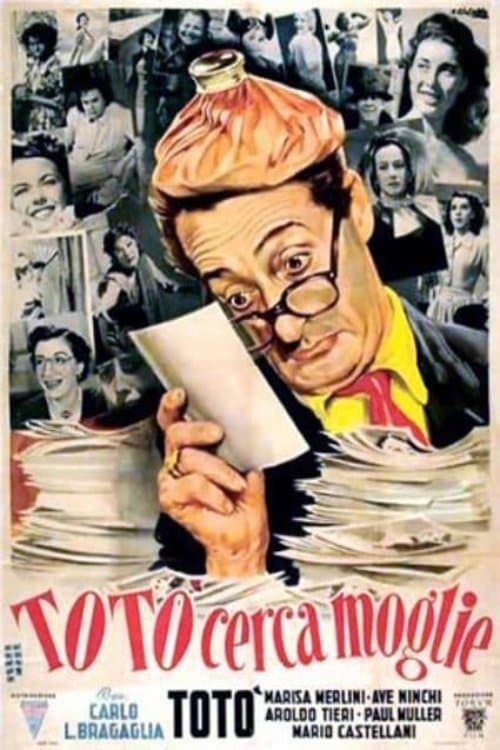
Totò Looking for Wife
1950
No user ratings available yet
Representation score: 2.4 out of 10
Representation Score
Limited
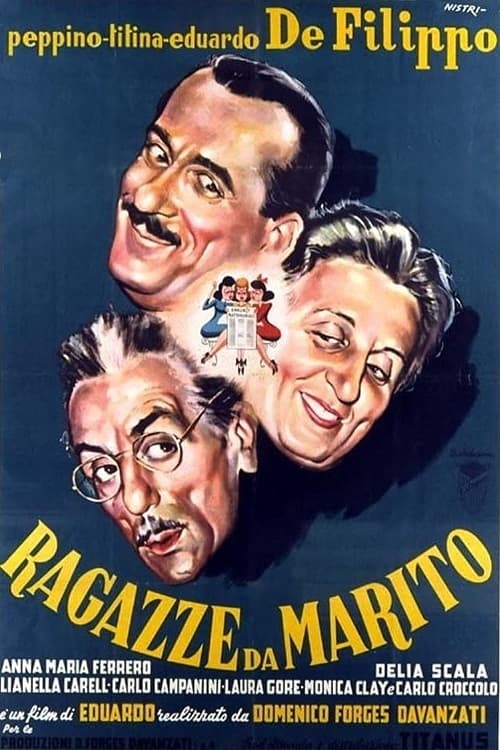
1952
Director
Eduardo De Filippo
Runtime
92 minutes
Average Rating
No ratings yetNew Showbiz Analysis
Ragazze da marito is a character-driven comedy that emphasizes class struggle and social realism over contemporary identity issues. The film explores the tension between personal ethics and the economic pressures of post-war Italy. Though the film does not represent racial or LGBTQ+ diversity, it provides a critical view of the social structures of its time. It highlights how systemic corruption and the marriage market influence human behavior. Ultimately, the work serves as a social commentary on the transactional nature of marriage and the desperation needed for upward mobility in a rigid class system.
Category Breakdown
The story centers around the pursuit of wealthy partners, implying a focus on heterosexual relationships for social advancement. There is no depiction of non-traditional gender identities.
Female characters play a central role in driving the plot through their quest for financial security via marriage. However, their ability to act is linked to their desirability to men, while the male lead's internal conflict challenges traditional masculine roles.
The film mirrors the demographic uniformity of 1950s Italy. There is no indication of diverse ethnic representation or varied cultural backgrounds.
The story criticizes the commercialization of marriage and bureaucratic corruption, portraying traditional institutions as barriers that require moral compromise rather than being inherently virtuous.
There is no mention of characters with visible or invisible disabilities in the narrative.
Present on Screen
Limited or Absent
Official Synopsis
Oreste is known for his deliberation and caution in handling license forms at his office.But when he needs money to send his 3 girls off to Capri to find rich suitors, he is tempted to take bribes to put a license through more quickly.
1950
1972
1964
1973
1975
1951
1955
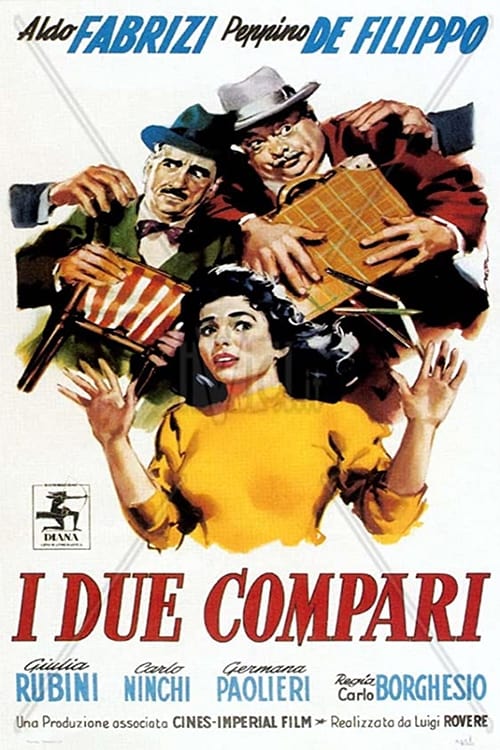
1955
No reviews yet. Be the first to share your thoughts on this movie!
Use the rating form above to leave a star rating and optional review.